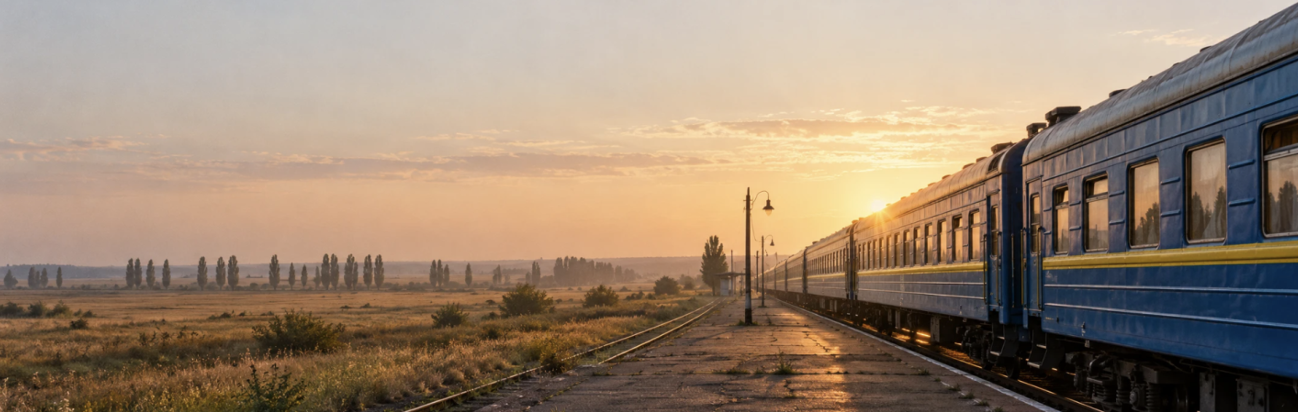

Reality hit me hard when I realized I’d said more goodbyes in three years than most people say their entire lives. Social media feeds might show perfect sunsets and exotic locations, but the truth about constant wandering brings emotional costs that rarely show up on Instagram.
A peculiar emptiness accompanies being a long-term traveler. You meet hundreds of amazing people, but true friendships never really take root when you’re always moving. That 100th church, 800th bus ride, or 600th bar just becomes another blur that loses its magic. Dating gets tougher, and you miss those precious family moments back home. The guilt follows you everywhere too – this nagging feeling that spending so much time traveling might be selfish.
This piece will tell you about the unglamorous side and drawbacks of extended travel that veteran wanderers know too well. I’ll give you an explanation about the mental health challenges and the downsides of solo travel, based on my years on the road – stuff you won’t find in those glossy travel brochures.
Travel influencers paint pictures of endless bliss – sunrise yoga on Bali beaches, casual cappuccinos in Parisian cafés, and sunsets from private infinity pools. Their carefully curated posts create a romantic illusion that long-term travelers live in permanent vacation mode.
The typical travel snob proudly says, “I’m not a tourist, I’m a traveler!” People make travel seem mystical – something only the lucky ones get to experience. Social media makes this illusion worse because travelers feel pressured to show everything’s perfect since “the world’s watching.” This filtered version of reality sets unrealistic expectations that can be dangerous.
Travel gets romanticized a lot because it lets people escape their daily routines, experience natural beauty, and grow through new experiences. The reality behind those perfect Instagram moments tells a different story.
People often mix up travel and vacation, but they’re completely different things. Vacations let you unplug from your daily grind, recharge, and focus on yourself before heading back to normal life. Living a travel lifestyle means you deal with unfamiliar territory every day, usually on tight budgets without vacation’s comforts.
Full-time travelers don’t take extended holidays – they build their lives on the move. They don’t stay in one hotel or resort like vacationers do. Most bounce between multiple destinations and travel for much longer, sometimes years at a time. Many choose this as their authentic way of life rather than a temporary escape.
That 100th church or 600th bar just becomes “another one” after enough time on the road. The excitement fades slowly – you start with pure wonder, move to familiarity, and might end up burned out.
Travel fatigue catches up with everyone eventually. The magic of discovery turns into everyday challenges: finding places to stay, working out transportation, and dealing with language barriers. Those once-exciting experiences become exhausting instead of thrilling. Many former enthusiasts end up looking for stability, slowing down, or taking breaks from constant movement.
The constant movement becomes your daily life – complete with boring tasks like laundry, work, and budgeting that never show up on social media feeds.
Life becomes a social gamble as I build connections that fade away in weeks, days, or sometimes just hours. Travel friendships are strange – they’re brief yet intense, and can change us completely before they slip away.
“The travel friendship is a very particular kind of relationship – short, sharp, intense, deep and transformative,” notes one experienced wanderer. These bonds develop fast and leave deep marks on us, yet disappear just as rapidly.
Making friends while traveling takes real effort. You need to welcome new people into your life, speak up, show courage, and let others see the real you. These connections grow under special circumstances – through shared adventures and mishaps – and leave lasting impressions despite being short-lived.
Research shows that moving frequently during childhood can affect mental health later in life. This becomes a bigger challenge for introverts, who show poorer outcomes as adults after multiple childhood relocations.
The irony is feeling lonely even with people all around. “I still feel alone when I travel. That’s natural because I am alone. In fact, at times I experience extreme loneliness,” admits a veteran solo traveler.
The first day hits you hardest. That initial night in a strange place makes you question why you decided to travel alone. The feeling gets worse during tough times without support, like being sick in a hostel while everyone back home sleeps in different time zones. On top of the emotional weight, there’s the reality that if something serious happens – like a traffic incident or injury while driving – you often have to handle it alone. Many travelers don’t realize there’s a limited window to take action after such events. In the U.S., each state has its own time limit for filing a legal claim following a car accident. Missing that deadline could mean losing your chance to get help entirely.
Solo travelers must handle everything themselves. You’re responsible for finding your way around, booking places to stay, and making every choice about destinations and activities. The costs run higher too since there’s no one to share expenses for rooms, transport, or tours.
The hardest part might be not having anyone to share special moments with. Standing in front of something amazing with no one beside you to say, “Can you believe this?” creates a strange empty feeling. Even experienced solo travelers acknowledge this: “I have no problem with that. When I was hiking in Karpathos the other day, it did cross my mind a few times…. What if I fell. Far from civilization, no one to find me like that”.
Romance has a bittersweet taste for those who never stay in one place too long. Building deep connections becomes challenging as locations keep changing – a common struggle for many who travel long-term.
Travel relationships spark fast but fade faster. A magical connection with someone from across the world usually ends when one person catches their flight home. These romances stay surface-level despite their passionate nature. Most travelers welcome the “live in the moment” mindset because they know attachments might clash with their future adventures.
A relationship needs compromise, which goes against the free spirit of long-term travel. Your freedom to change plans takes a hit when you need to think about what your partner wants. The biggest hurdle remains distance – when your partner dreams of Asian adventures while South America calls you, someone must let go of their plans. This leads many travelers to choose their independence over relationships.
Female travelers deal with attention that men rarely face. Beyond safety issues, they must handle cultural expectations about solo women travelers. Men face different obstacles – they struggle to build trust with potential partners who doubt their wandering lifestyle. Both genders battle stereotypes: society labels women as promiscuous and sees men as unreliable just because they chose movement over settling down.
My eyes glazed over as I stood before another magnificent temple. After months on the road, I felt nothing. Places that excited me turned into mere checkboxes on a growing list.
The magic fades over time, even veteran travelers agree. Ancient architecture, exotic foods, stunning landscapes lose their sparkle. Things that once brought joy become tasks we need to complete. You know you’ve changed from an eager explorer to a box-ticker when another “must-see” sight fails to excite you.
Travel burnout shows up in both body and mind. You might feel tired no matter how much you rest, get frequent headaches, snap at small problems, worry about plans, and feel detached from your experiences. This burnout mirrors situational depression in its worst form.
The mental toll of long-term travel brings unique challenges. Moving constantly, making plans, and adjusting to new places wears you down. Being away from friends and family, losing your routine, and living in unfamiliar places can trigger anxiety and depression. Culture shock hits you in waves throughout your trip.
Slow travel helps beat burnout. Living in one place for weeks or months lets you create small routines and build deeper connections. We focused on resting between adventures. This way of traveling cuts down fatigue since you’re not always packing, unpacking, and planning ahead.
Long-term travel presents a paradox. Social media shows it as an endless adventure, but my time on the road revealed a more complex reality. Most travel influencers rarely show their emotional exhaustion from constant goodbyes or that empty feeling when standing alone before a breathtaking vista.
The value of long-term travel remains strong. All the same, anyone thinking over this lifestyle should see it clearly. Travel fatigue hits eventually. New destinations lose their initial spark. Relationships turn into complicated puzzles instead of flowing naturally. Your mental health might suffer without routine’s stability and reliable support systems.
Without doubt, relationships bring the most pain – friendships that burn bright but briefly, romances with built-in expiration dates, and missing life’s most important moments with family back home. These losses pile up and create an emotional debt that no exotic experiences can fully repay.
A clear understanding of these challenges enables you to travel more mindfully. Slow travel gives you a meaningful alternative to constant movement. Longer stays in fewer places help you build mini-routines and deeper connections that reduce your risk of burnout.
Long-term travel just needs honesty – with yourself and others. You must accept both the freedom and sacrifices, what you find and what you lose. Instagram might show perfect moments, but seasoned travelers know this experience mixes equal parts wonder and weariness. The path you choose will bring spectacular sunsets and lonely dawns that follow naturally.
Counter
101 Countries • 1432 Cities