
Starting a short-term rental is exciting, but being prepared makes all the difference. Each step matters, and missing one could cost you later.

From securing permits and insurance to outfitting your space for guests, there’s a lot to handle before opening your doors. Pricing strategies, cleaning plans, and safety measures also need careful attention.
This checklist will help you navigate every step with confidence. Read along for clear, practical steps!
Sorting out the legalities ensures your rental runs smoothly. Check local laws to confirm short-term rentals are permitted in your area, then secure any required permits or licenses. Stay ahead of tax requirements by registering for relevant tax accounts and understanding collection rules for occupancy taxes.
Don’t overlook insurance. Regular homeowner policies usually don’t cover short-term rentals, so invest in specialized coverage tailored to protect your property and guests.
With legalities handled, turn attention to your financial groundwork. Review your budget thoroughly to confirm your rental is financially viable. Factor in start-up costs—such as furnishings, safety gear, and professional photography—alongside recurring expenses like utilities, taxes, and cleaning services.
Cash reserves are vital for unexpected repairs or seasonal slowdowns. If funding feels tight, explore DSCR financing solutions tailored to rental investments, with approvals based on property income potential rather than personal earnings.
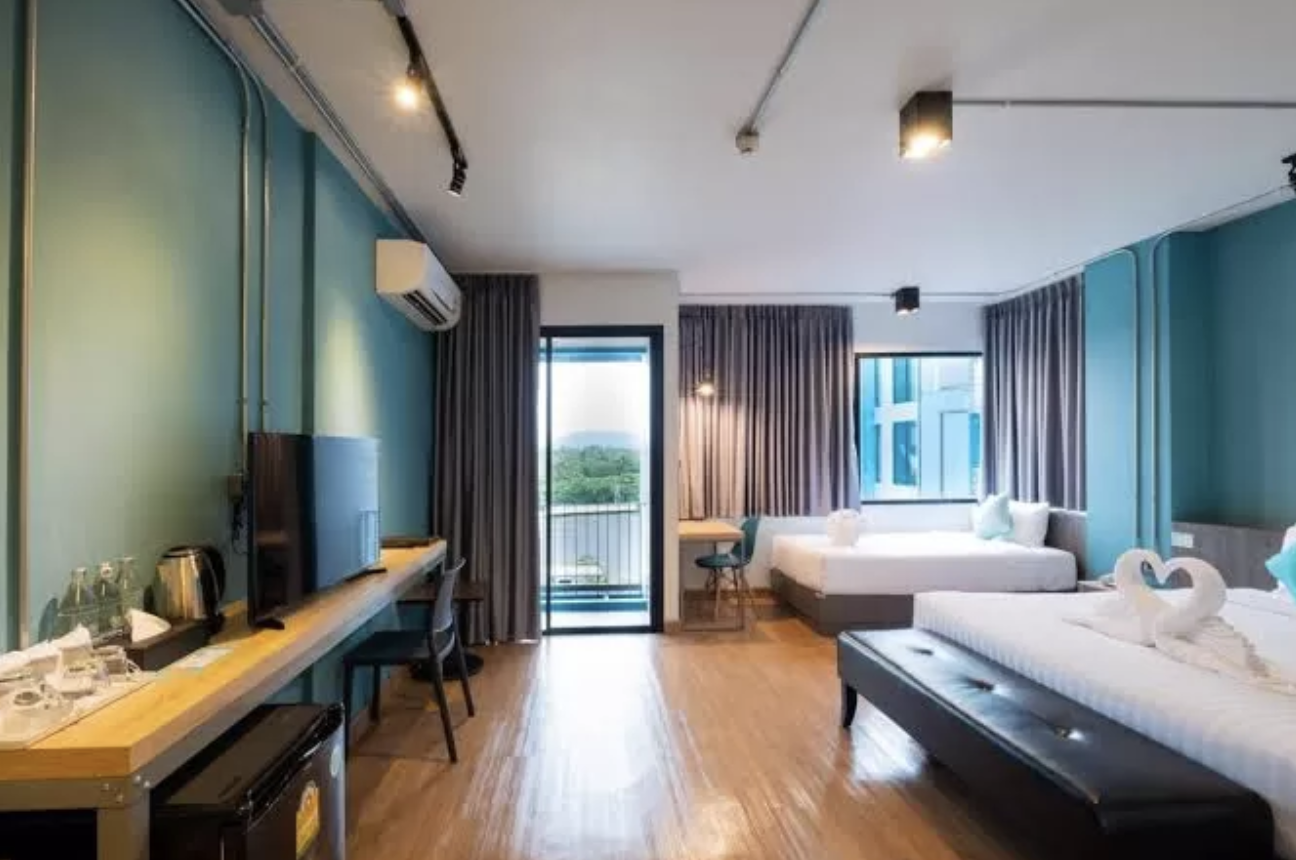
Thoughtful furnishings make your rental feel like home. Prioritize durable, comfortable furniture suited to frequent use. Add practical amenities like blackout curtains, ample seating, and a versatile storage solution to enhance guest convenience.
Stock the kitchen with essential cookware and utensils while leaving room for extra touches—coffee makers or welcome baskets often delight travelers. Include quality linens and towels that are easy to launder but still cozy.
Strong visuals make your rental stand out. Hire a professional photographer or use natural lighting to capture clear, inviting photos of every space. Highlight unique features, like scenic views or custom decor, in the images.
For your listing description, focus on what guests value most—location perks, nearby attractions, and standout amenities. Use straightforward language that paints a welcoming picture without overpromising.
Setting the right price makes your rental competitive without undervaluing its worth. Research similar properties in your area to understand standard nightly rates, adjusting for seasonality or special events. Tools like dynamic pricing software help automate these adjustments for accuracy and convenience.
Decide on a minimum-stay policy that aligns with your goals. Short stays increase bookings but come with higher turnover costs, while longer stays provide stability.
As the final step, confirm everything is ready for your first guest. Double-check safety essentials like smoke detectors, carbon monoxide alarms, and fire extinguishers. Create a detailed cleaning checklist to maintain high standards between stays.
Test every appliance and lock to ensure smooth functionality. Provide clear instructions for guests, including Wi-Fi access details, house rules, check-in steps, parking guidance, and emergency or questions contact information.
Launching a short-term rental is as much about preparation as it is about hosting. When each detail aligns, the process becomes rewarding for both you and your guests. A well-prepared space creates lasting impressions and sets you up for long-term success.
Remember, every decision—from pricing to guest comfort—shapes your reputation in this competitive market. Confidence starts with careful planning and thoughtful execution!
Counter
101 Countries • 1432 Cities