

The woman at the street cart didn’t speak much English, but she didn’t need to. Her hands moved with practiced precision, shaping masa into perfect rounds before dropping them into the sizzling oil. When she handed me the warm pupusa wrapped in wax paper, her smile said everything.
This wasn’t some staged cultural experience designed for tourists, just real life happening on a Tuesday afternoon in a neighborhood most guidebooks skip entirely.
Finding the Right Partners Without Losing What Makes It Real
Most destinations have culture worth sharing, but struggle to connect it with international travelers without watering down what makes it special. The street vendor can make incredible pupusas, but she shouldn’t have to become a marketing expert too. This is where partnerships matter, and I’ve seen how working with specialists who understand both preservation and promotion changes the game.
Tourism boards that connect with https://www.designrush.com/agency/media-buying-agencies/us often find ways to amplify visibility while keeping authenticity intact.
I watched this unfold in a small coastal town where fishermen had been preparing ceviche the same way for generations. Nobody outside a fifty-mile radius knew about it. Then someone with actual marketing sense stepped in, not to change what they were doing but to get the right people to notice.
Within months, food bloggers were showing up, then travel writers, then curious travelers who’d read those articles. The fishermen still made ceviche exactly the same way, just with more people eager to try it.
The tricky part is finding people who understand that promotion and preservation aren’t enemies. Bad marketing tries to make everything appeal to everyone and ends up appealing to no one.
Good marketing finds the travelers who already want what you’re offering and puts it directly in front of them. Cultural tourism represents 40% of all global tourism, which translates to billions of dollars flowing into communities that get this balance right.
When Money Meets Tradition

Let’s talk about what nobody wants to admit out loud. Promoting local culture costs money, and somebody has to pay for it.
I met a woman in Barbados who ran walking tours through fishing villages most tourists never saw. She charged reasonable rates, partnered with local fishermen to offer cooking demonstrations, and reinvested profits back into the community. Her biggest challenge wasn’t attracting tourists but convincing the fishermen that tourism wouldn’t ruin what they’d built over generations.
She spent months building trust before the first tour happened. The fishermen wanted proof that visitors wouldn’t treat them like museum exhibits or demand changes to accommodate foreign tastes. So she brought small groups, set ground rules, and paid the fishermen well for their time.
The tourists got to see how flying fish was really prepared, the fishermen made extra income without changing their methods, and everyone went home happy.
What Actually Works on the Ground
After years of watching communities try to balance tourism with tradition, I’ve noticed some things that actually make a difference. The places that do this well bring local people into the conversation right away, not after all the decisions have already been made.
When the idea for bringing in visitors comes from the community itself instead of some outside consultant or tourism board, people actually care about making it work because it belongs to them, not to somebody else’s business plan.
Training matters more than most people realize. Communities need help with language skills, food safety basics, customer service, and simple business management. These aren’t skills that diminish culture but rather tools that help preserve it by making it financially sustainable.
Travel and tourism represented 3.03% of the U.S. economy in 2023, which shows how much potential exists when communities can tap into these resources properly.
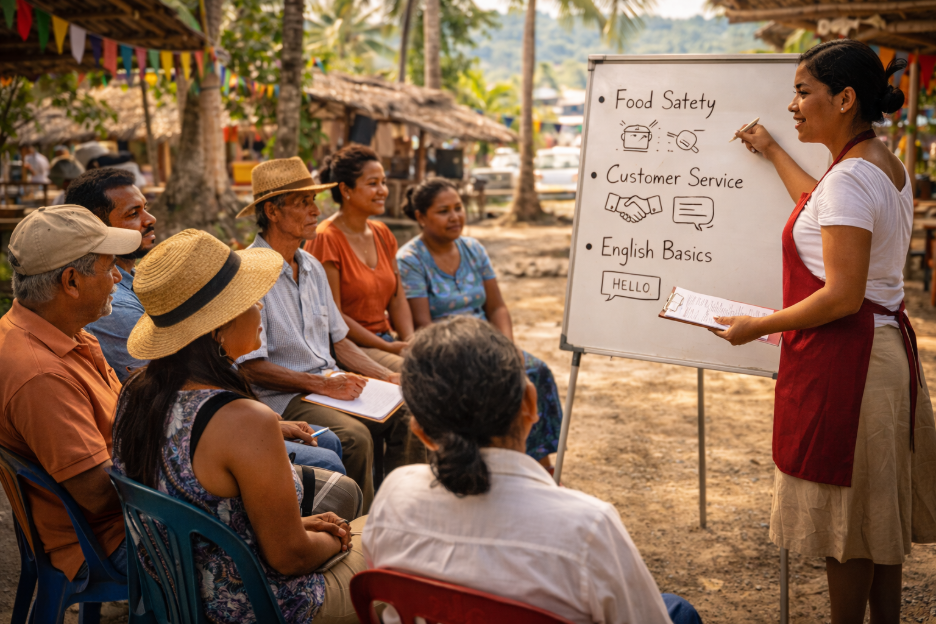
Limiting access intentionally also works wonders. Not everything has to be open to whoever shows up whenever they feel like it, and the places that actually say no sometimes are the ones that keep what made people want to visit in the first place. Some villages only accept small groups on certain days, which keeps things intimate and prevents local life from getting overwhelmed.
Tourists actually prefer this arrangement because they feel they’re getting something special rather than just another commodity experience you can buy anywhere.
I’ve seen places that cap daily visitors at twenty people, and those twenty people leave with stories they’ll tell for years. The scarcity creates value that unlimited access never could.
The Part Nobody Puts in the Brochures
There’s always going to be some friction between keeping traditions alive and opening them up to outsiders. The communities that do this well are the ones that sit down early and figure out what they’re comfortable changing and what needs to stay untouched.
They’re also upfront about needing the money instead of dressing it up as some high-minded cultural mission. Money and meaning can coexist, but only when everyone’s clear about the arrangement from the beginning.
The woman making pupusas still works at her street cart, and she’s still there because tourism brought enough income to sustain her business without forcing her to change what she does.
That’s the goal, but getting there takes work that most travelers never see or think about when they bite into that perfectly crispy, perfectly authentic pupusa.
Counter
101 Countries • 1432 Cities