

Ever wonder why a favorite hotel suddenly closes or why a new resort appears in one neighborhood but not another? Behind every ribbon-cutting and renovation banner, commercial real estate law is doing quiet but powerful work.
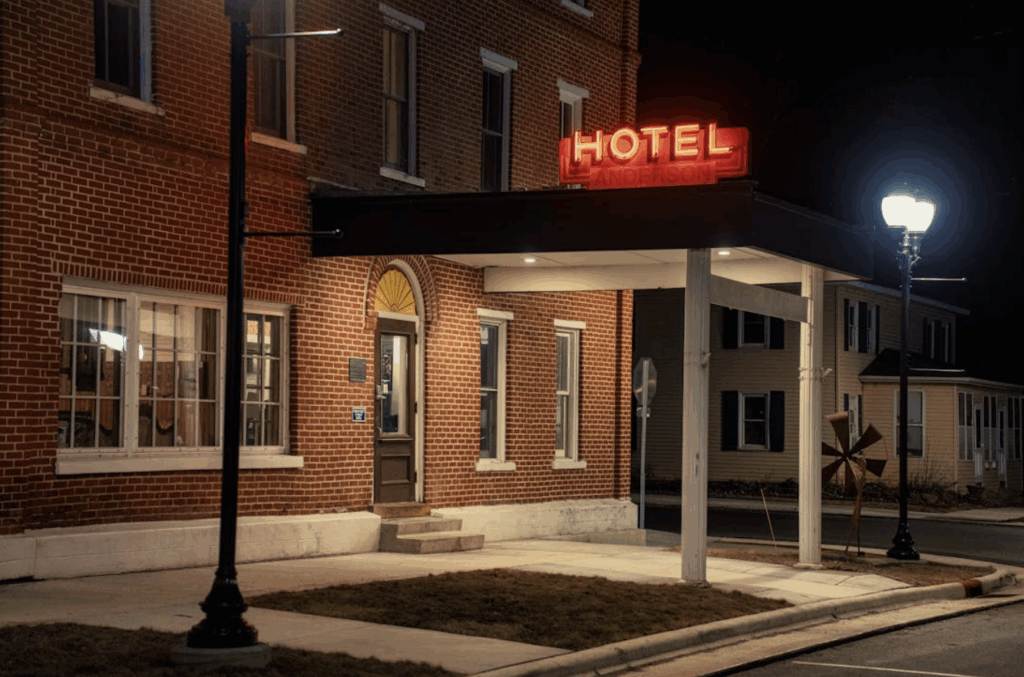
Contracts, zoning codes, and financing agreements often shape your stay long before you book a room. This article takes a detailed look behind the scenes.
Hotel location starts with zoning. Local governments control land use, building height, density, parking requirements, and environmental impact, which means a luxury resort cannot simply rise wherever a developer finds open land.
Municipal zoning instruments and regulatory restrictions can delay or even block commercial projects. For travelers, those rules decide whether your next weekend getaway sits near a beach, inside a city core, or miles outside town limits.
Capital availability also influences development patterns. According to reporting by CoStar, hotel-backed loan offerings were projected to reach at least $15 billion in 2025. Strong lending activity often signals more construction cranes, more renovations, and more brand expansions.
Hotel ownership is rarely simple. One company may own the land, another may operate the property, and a global brand may license its name to the project.
Several legal structures commonly define these relationships:
Each document affects renovation timelines and staffing decisions. Documents can even show how quickly upgrades happen.
Skilled and experienced commercial real estate law experts can help structure these agreements to clarify responsibilities and reduce conflict. So, both investors and long-term project stability can be protected.
Legal teams often assist clients with acquisitions, development agreements, leasing negotiations, and multi-jurisdiction portfolio management. Early legal planning can prevent disputes that might otherwise delay openings or stall improvements guests are waiting for.
When contracts lack clarity, disagreements over funding, brand standards, or performance benchmarks can freeze progress. Guests might see construction barriers, while the underlying issue involves cost-allocation clauses or unmet contractual obligations.
Unexpected closures often trace back to financial restructuring or ownership disputes rather than operational failure. Legal and financial pressures typically build behind the scenes for months.
For example, in 2024, the Sheraton Phoenix Crescent entered receivership and moved toward auction, as reported by Axios. The shutdown seemed abrupt, yet the legal process surrounding debt obligations and asset control had been unfolding long before the doors closed.
Refinancing pressure adds another layer of complexity. Higher borrowing costs can push stakeholders to sell, reposition, or redevelop properties in order to stabilize returns.
Redevelopment often requires rezoning approvals and new land-use entitlements. Aging beachfront resorts may transform into mixed-use complexes with residences and retail, while underperforming urban hotels may convert into apartments or office space.
Commercial real estate law shapes far more than contracts on paper. Zoning approvals influence where hotels rise, financing terms determine how long they operate, and carefully negotiated agreements protect projects during economic shifts.
Understanding how commercial real estate law affects hospitality projects can help investors, developers, and operators make smarter long-term decisions.
If you are planning a hotel development or facing a complex property transition, consider reaching out to professional lawyers to explore your options or discuss your next step. And if this article was helpful, be sure to check out our other content!
Counter
101 Countries • 1432 Cities