

To obtain a restraining order in Florida, a person generally needs evidence showing violence, threats, stalking, harassment, or a reasonable fear of imminent harm. Courts review the available proof carefully to determine whether legal protection is necessary based on the facts presented.
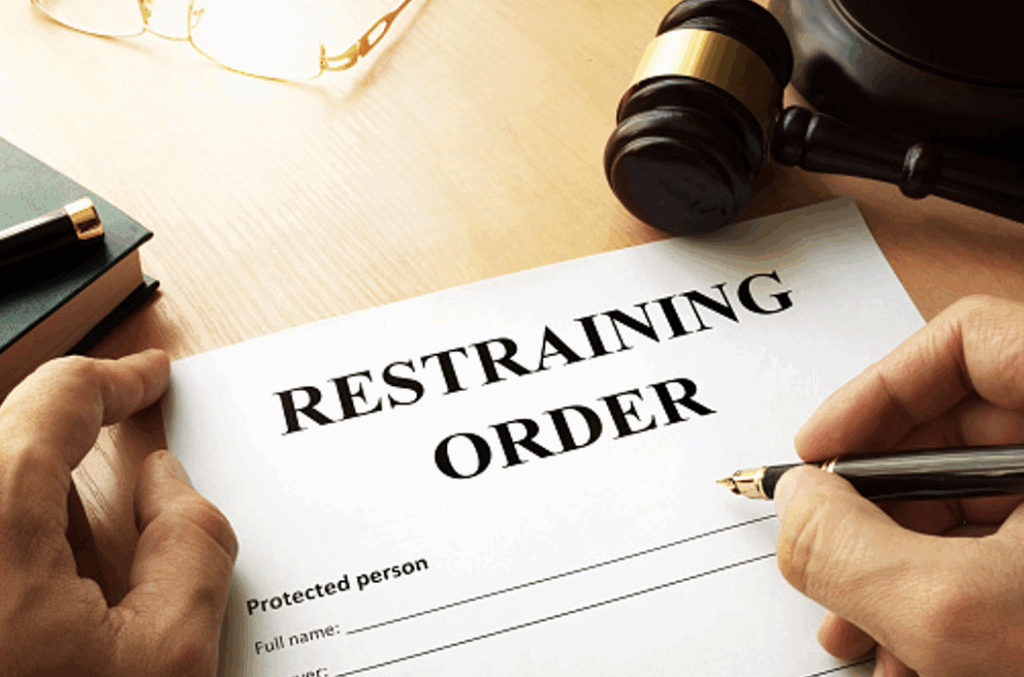
Restraining orders are designed to protect individuals from dangerous or threatening situations. In Florida, courts may issue protective orders in cases involving domestic violence, dating violence, repeat violence, stalking, or sexual violence.
Because these situations can escalate quickly, understanding the evidence needed for a restraining order is important for anyone seeking legal protection or responding to allegations.
To begin with, a restraining order is a court order that limits contact between individuals to help prevent harm or harassment.
A restraining order may require someone to:
Violating the order can result in criminal penalties.
Florida courts recognize several types of protective injunctions depending on the circumstances of the case.
Common types include:
The type of order requested affects the evidence required.
Courts rely on evidence to determine whether protection is justified. Strong evidence helps demonstrate that the petitioner faces a genuine threat or ongoing harassment.
Examples of useful evidence include:
Documentation often strengthens the request significantly.
Physical violence is not always required to obtain protection. Threatening behavior or repeated harassment may also support a petition.
Relevant conduct may include:
The court evaluates whether the petitioner reasonably fears harm.
Police reports can play an important role in restraining order cases. While a criminal conviction is not always necessary, official reports may support the petitioner’s claims.
Reports may document:
Courts often consider these records carefully.
Witnesses may provide valuable information about incidents or threatening behavior. Their testimony can strengthen the credibility of the case.
Witnesses may include:
Independent observations can help support allegations of abuse or harassment.
Modern restraining order cases often involve digital evidence from phones or social media accounts.
This may include:
Screenshots and saved communications may become important evidence in court.
Florida courts may issue temporary protective orders before a full hearing takes place. A judge reviews the initial petition to decide whether immediate protection is necessary.
Later, the court may hold a hearing to determine whether a final injunction should be granted.
During this process, both parties may:
The judge then decides whether the legal standard has been met.
Florida Statutes § 741.30 governs many domestic violence injunction proceedings in the state. The statute explains who may seek protection and the procedures courts follow when reviewing petitions.
This law addresses:
Understanding the legal process can help individuals prepare more effectively.
Detailed and organized evidence often improves the strength of a restraining order petition. Courts need enough information to determine whether protection is legally justified.
Helpful preparation may include:
Clear documentation can make a significant difference during court proceedings.
Restraining order cases can become emotional and legally complicated. Legal guidance may help both petitioners and respondents understand their rights and responsibilities.
An attorney may assist with:
Proper legal preparation is important because restraining orders can carry serious long-term consequences.
Counter
101 Countries • 1432 Cities