

Navigating a broken intersection is a high-stakes guessing game. When those familiar signals stop their regular cycle and start blinking, the safety net of the road basically disappears. These flashing lights often show up during power outages or late at night, turning a simple crossing into a metal-crunching hazard.
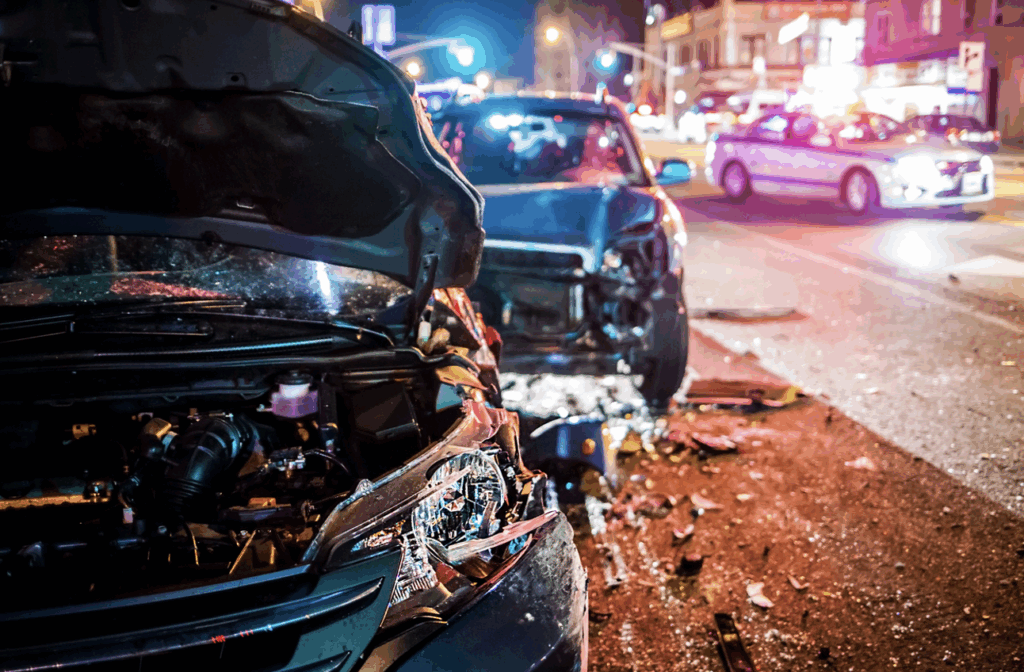
Confusion at these spots is a major reason why people get hurt on the road. You need to remember that a flashing red light means you must come to a dead stop, exactly like you would at a stop sign. Only after you’ve checked every corner for cars and people should you slowly pull out into the intersection.
Misreading these signals puts everyone on the road in danger. Human errors cause nearly 96% of all intersection wrecks. Understanding the raw mechanics of these crashes is your first shield against a life-altering mistake on the pavement.
Intersections are high-conflict zones where everyone’s path crosses. With vehicles approaching from multiple directions, it is easy for a “recognition error” to happen. This is when a driver looks right at a car but their brain fails to process the actual danger.
Drivers often fall into a trap called “bad surveillance,” where they look but don’t actually see the physics of the road. Blind left turns are a primary cause of the most severe injuries. When a light flashes yellow, many motorists instinctively floor the gas rather than hovering over the brake, which leads to bone-shattering T-bone hits. This aggressive habit narrows your safety window to almost zero.
Modern cars are full of digital noise that steals your focus when you have to make split-second decisions. Even a glance at a phone while driving towards a flashing signal ruins your ability to follow right-of-way rules. In these moments, the brain struggles to follow the traffic, leading to a delay in hitting the brakes. Seconds lost to a screen often turn into skidding tires and broken glass.
Many drivers wrongly assume that if they see a flashing yellow, the other guy must stop. If both drivers gamble on this guess, neither stops, and the result is a high-speed impact that no seatbelt can fully stop. Relying on a guess instead of a visual check is a recipe for a disaster.
Counter
101 Countries • 1432 Cities

