

Not every road deserves a performance car, but a handful of American routes genuinely earn one. From the sweeping coastal curves of the Pacific Coast Highway to the relentless elevation changes of Beartooth Highway, the United States offers scenic drive experiences that reward precision, power, and control in equal measure.
For a road trip built around driving feel, a few routes stand apart. The Blue Ridge Parkway delivers long, rhythmic bends through Appalachian ridgelines, while the Tail of the Dragon packs 318 curves into 11 miles of pure technical focus. Going-to-the-Sun Road offers dramatic alpine exposure, the Overseas Highway trades corners for open-water panoramas, and each route earns its place on this list for a different reason entirely.
A scenic drive is great in anything, but the right performance car makes the road itself feel like the main attraction. Sharp steering, strong brakes, and a chassis that stays composed through quick transitions turn sweeping curves and elevation changes into something you can actually read and enjoy, not just survive.
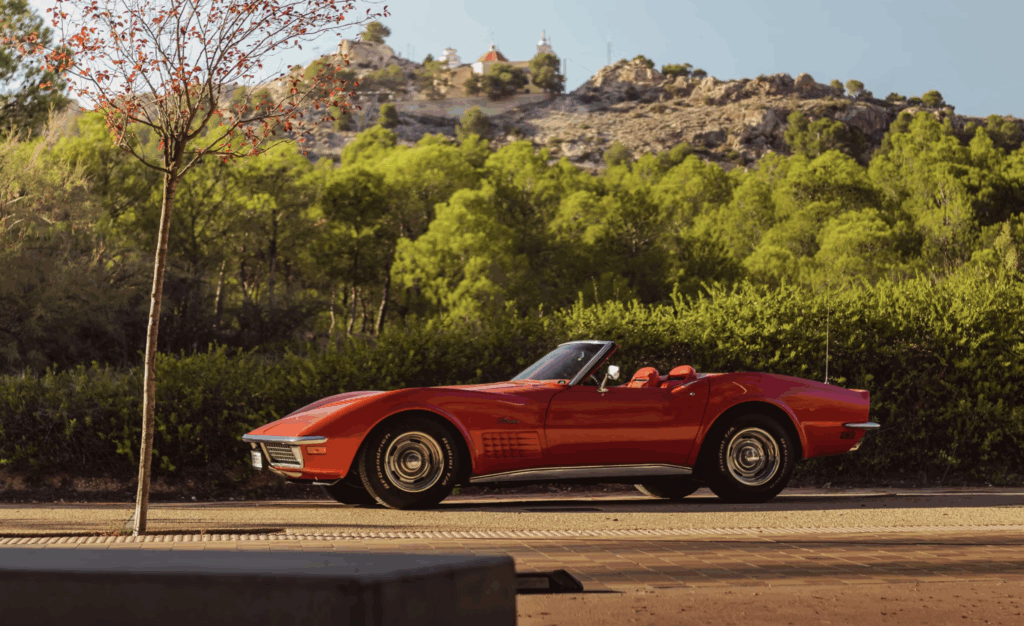
A Corvette is a perfect example of that sweet spot: serious power, confident grip, and the kind of balance that feels at home on both flowing coastal sections and more technical mountain stretches. But it is not the only option. Modern muscle cars like a Mustang GT or Camaro SS bring big torque and a planted feel on longer, faster curves, while lighter sports cars and sport sedans like a Porsche 911, BMW M car, or Audi RS model can feel especially dialed-in on tighter switchbacks where precision matters more than outright speed.
That also means the details matter more. Tire choice, wheel setup, brake confidence, and even how stiff your suspension is can change whether a road feels smooth and composed or busy and harsh. Keeping that in mind now will make the gear-specific talk later, including Corvette-focused setup choices, feel a lot more relevant.
The strongest U.S. scenic routes for performance driving each offer something distinct. The Pacific Coast Highway rewards flowing rhythm along the California coastline, while the Blue Ridge Parkway delivers long, sweeping Appalachian bends. Beartooth Highway and Going-to-the-Sun Road push into serious elevation territory with technical corners and narrow alpine lanes. The Tail of the Dragon is purpose-built for cornering focus, the Overseas Highway trades all of that for open-sky panoramic cruising, and each one earns its place for a different reason. The right choice depends on whether the drive should feel like a workout or a grand tour.
Not all scenic roads feel the same behind the wheel, and that distinction matters more in a performance car than in any other vehicle. Road geometry, elevation, pavement quality, and sightlines all shape whether a given route feels thrilling, meditative, or genuinely frustrating. Understanding those differences before departure makes the difference between a memorable drive and a disappointing one.
Mountain routes like Beartooth Highway, Going-to-the-Sun Road, and Pikes Peak Highway demand a specific kind of focus. Switchbacks arrive in quick succession, hairpin turns tighten without warning, and elevation changes shift braking points constantly.
Road width narrows significantly on alpine stretches, which limits the margin for error on entry and exit. Pavement quality also varies: sections near the treeline can be rough, patched, or cambered in ways that challenge suspension tuning on stiffer performance setups.
The payoff, however, is real. Mountain vistas open up between technical sections, and the combination of concentration and reward makes these passes some of the most engaging drives in the country.
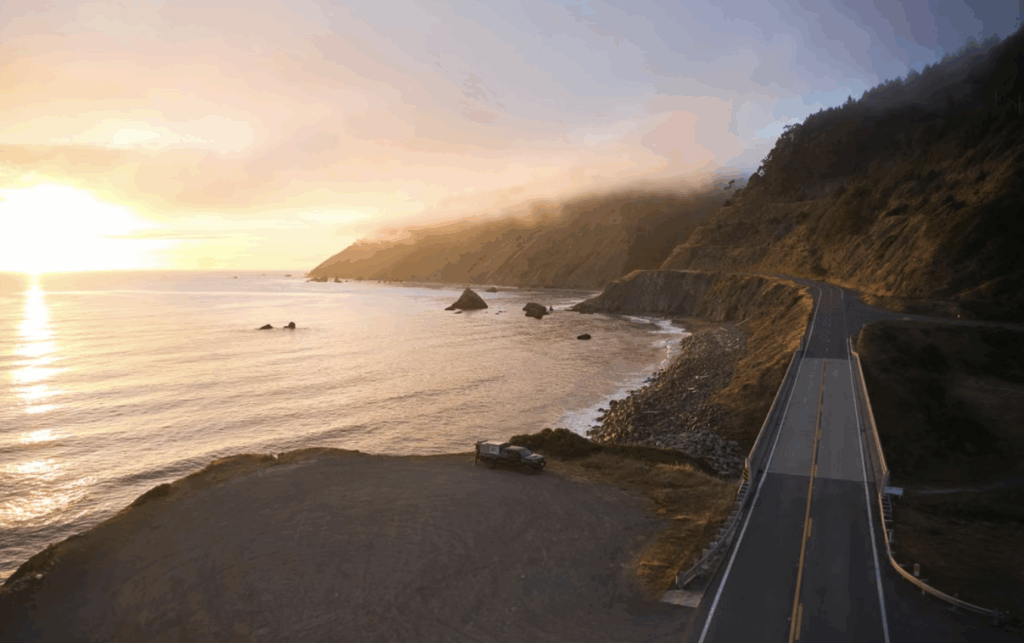
Big Sur and the Pacific Coast Highway operate differently. The driving conditions here lean toward flow rather than attack, with long, sweeping curves, consistent pavement, and coastal views that shift gradually rather than all at once.
Sightlines are longer and more forgiving, which lets a performance car breathe between corners rather than staying compressed in technical sequences. Speed is less useful here than balance, and the best approach tends to be a steady pace with well-timed inputs.
Drivers who explore Corvette wheels and rims designed for varied terrain will recognize that coastal roads reward a broader performance setup than mountain passes typically allow. Fitment and tire profile shape the experience considerably, since the difference between patched mountain pavement and smooth coastal asphalt is something a performance car communicates directly through the wheel.
Some routes are worth building an entire trip around, while others fit naturally into a longer itinerary. The distinction usually comes down to whether the road itself is the destination or the backdrop.
Some roads are built to be driven, and Beartooth Highway, Going-to-the-Sun Road, Tail of the Dragon, and Mulholland Drive all fall into that category. Each one offers a distinct technical experience, but they share a common trait: the road itself demands active participation.
Beartooth Highway climbs through Montana and Wyoming with switchbacks that test suspension and braking in equal measure. Going-to-the-Sun Road carves through Glacier National Park with narrow lanes and exposed alpine scenery. Tail of the Dragon delivers its famous 318 curves across just 11 miles in North Carolina, while Mulholland Drive traces the Santa Monica Mountains with flowing curves and elevation shifts that reward smooth, committed driving.
Not every great road is a technical challenge. Pacific Coast Highway, Blue Ridge Parkway, Route 66, and the Overseas Highway are better understood as grand-touring experiences, where the landscape is the event and pace matters more than cornering precision.
These routes reward a relaxed hand and an unhurried itinerary. Anyone planning a cross-country drive through America will find that roads like Route 66 and the Blue Ridge Parkway define the broader journey rather than serving as a single highlight within it.
A road that photographs beautifully does not always suit a performance car, and the gap between appearance and reality becomes obvious the moment vehicle clearance becomes a concern.
Not every scenic byway or national park road is paved to a standard that works with stiff suspension or low front overhangs. Rough pavement, patched asphalt, steep entries at viewpoints, and seasonal wear can all create conditions that punish low-slung cars more than most drivers anticipate before arriving.
Rock debris is another variable that changes quickly. Mountain routes collect gravel and loose stone after weather events, and driving conditions that looked clean on satellite images can shift entirely after a single storm.
The practical distinction worth making is between roads that are paved and smooth throughout versus those where the scenic byway designation covers a wide range of surface quality. A national park road may be entirely appropriate for performance driving on its main corridor while becoming genuinely problematic at pullouts, unpaved overlooks, or access points designed with higher-clearance vehicles in mind. Checking road condition reports before departure keeps avoidable surprises off the itinerary entirely.
Timing shapes a performance-oriented road trip just as much as the route itself. High-elevation roads like Beartooth Highway and Going-to-the-Sun Road close entirely during winter and early spring, with typical access running from late May through mid-October depending on snowpack and elevation. The National Park Service publishes opening dates each season, and those windows shift year to year.
Driving conditions during peak summer months bring a separate challenge. Crowded corridors on mountain routes reduce the flow that makes a performance car worthwhile, with RVs, tour buses, and slow-moving traffic turning technical roads into stop-and-start frustrations.
Shoulder seasons, particularly early June and September, tend to offer the strongest combination of open pavement, lighter traffic, and stable weather. Drivers planning top spring road trips across the country will find that the best time to visit most high-elevation routes falls just outside the peak summer rush.
The best scenic drive in a performance car is the one that matches both the vehicle and the expectations behind the wheel. A technical route rewards drivers who want active engagement, while a grand-touring corridor suits those who prefer rhythm and landscape over corner sequences.
Matching road character to car setup, and timing the trip to avoid closed passes or crowded corridors, shapes a road trip far more than the route name alone. Start with what the drive should feel like, and the right road follows naturally.
Counter
101 Countries • 1432 Cities