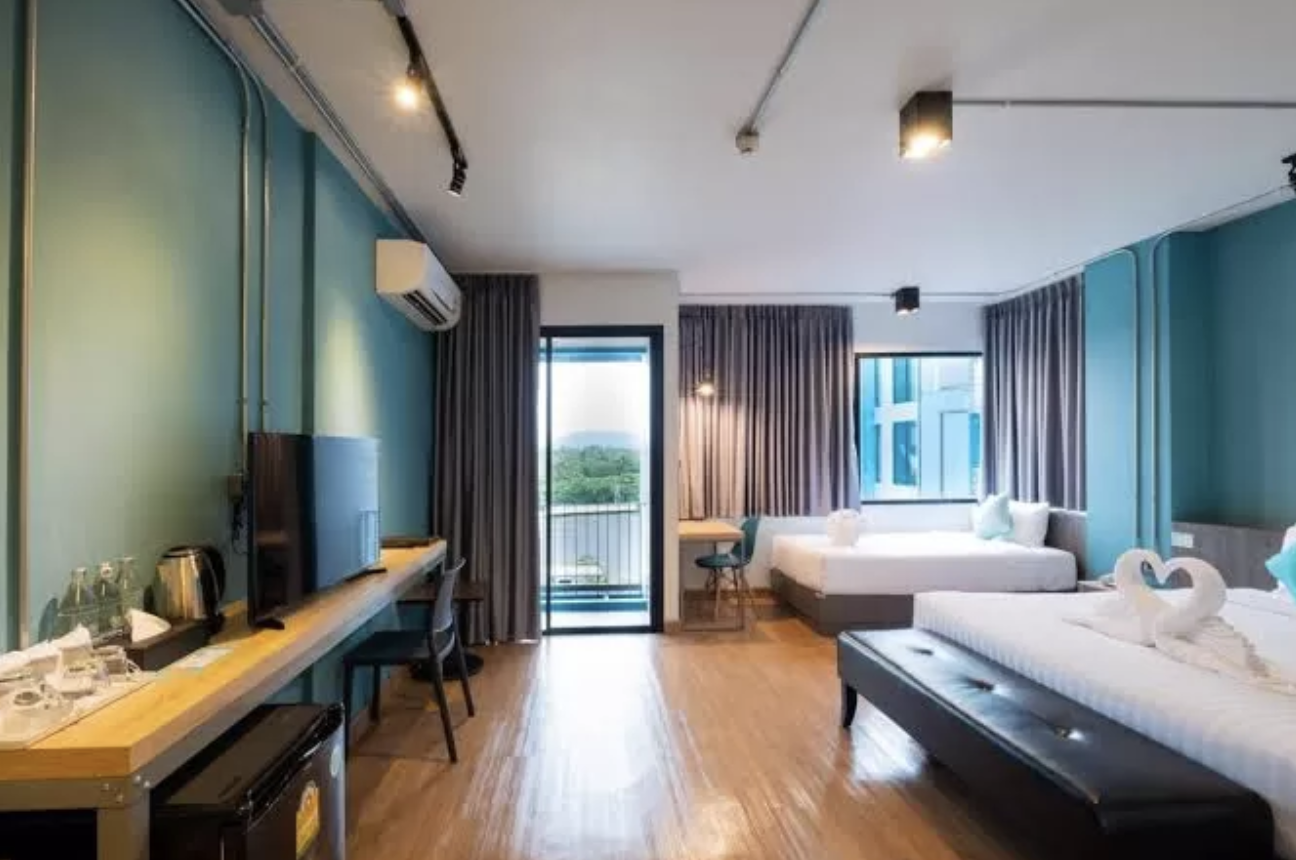

Study abroad brochures are masterpieces of marketing, featuring sun-drenched plazas and pristine rooms with views of the Eiffel Tower. They rarely mention the real details: paper-thin walls, aggressive heating schedules, or the unique intimacy of a shared gender-neutral bathroom.
The reality is often less “Emily in Paris” and more “Survivor: Hostel Edition.” You aren’t just navigating foreign languages; you are battling living conditions that challenge your American comfort zone. There will be moments when you are overwhelmed by culture shock, frantically searching for help to write an essay just to keep your GPA afloat while the WiFi cuts out again. Before you pack, you need to adjust your expectations for what “student housing” actually looks like across the Atlantic.
If you grew up in a suburban home with a master bath, prepare for a shock. European student housing operates on efficiency, not luxury, and the bathroom is often the site of the most significant cultural clashes. Here are the specific architectural quirks you will likely encounter:
The concept of a “washcloth” is also largely absent in many European cultures. You learn to be quick, efficient, and grateful for lukewarm water.
In the United States, we view clothes dryers as a fundamental human right. In Europe, they are a rare luxury and often viewed as an energy-wasting indulgence. Most student residences will have a laundry room in the basement, but it will likely consist of five washing machines and one dryer that has been broken since 2014.
You will learn the art of the “drying rack Tetris.” Your small room will perpetually smell like damp detergent as you drape jeans over radiators, chairs, and door frames. You have to plan your wardrobe choices days because a pair of denim jeans takes two full days to dry in a humid London winter. It is a slow, crunchy reality that forces you to respect the weather forecast.
Beyond the laundry situation, there are several creature comforts that Americans assume are standard but are glaringly absent in European dorms. Your program coordinator glosses over these, but they will affect your daily life.
If you are in a dorm with a communal kitchen, you are entering a war zone. European students (and other international students) often have very different standards of cleanliness and food storage. The fridge is a lawless land. Labeling your food is the bare minimum, but it won’t stop a hungry roommate from “borrowing” your milk.
However, the kitchen is also where the real magic happens. It is where you bond over complaints about the landlord. It is where you learn that Italian students will judge you for putting ketchup on pasta, and where you trade tacos for pierogies. The friction of shared living forces social interaction in a way that comfortable, isolated American apartments do not.
While the lack of amenities can be frustrating, it offers a valuable lesson in moderation and responsible consumption. European living spaces are generally much smaller than their American counterparts. There is simply less room to accumulate junk. You cannot buy the bulk pack of paper towels because you literally have nowhere to put it.
Raymond Miller, a writer who focuses on sustainability and business for the essay writing service DoMyEssay, argues that this constraints-based living is actually a better model for the future. Miller, who holds a Master’s in Business and writes extensively on social justice, notes that the American obsession with square footage often leads to wastefulness. According to the DoMyEssay contributor, living in a European dorm forces you to adopt a “minimalist” carbon footprint without even trying. You learn to live with less energy, less water, and less stuff. It isn’t just discomfort; it is an education in sustainable citizenship.
Dorm life in Europe is gritty, cramped, and occasionally frustrating. It will test your patience and your hygiene standards. But it will also strip you of your dependencies. You will realize you don’t need a dryer, a massive shower, or central air to survive. You will leave the semester tougher, more adaptable, and with a much higher tolerance for discomfort. And that personal growth is worth far more than the g
Counter
101 Countries • 1432 Cities