

If you are a US student flying to Europe for a summer trip, a festival, or a post grad adventure, passport control is starting to feel more high-tech than the old passport-stamp routine. The EU’s Entry/Exit System (EES) is replacing manual stamping with digital records for many non-EU travelers entering the Schengen area for short stays.
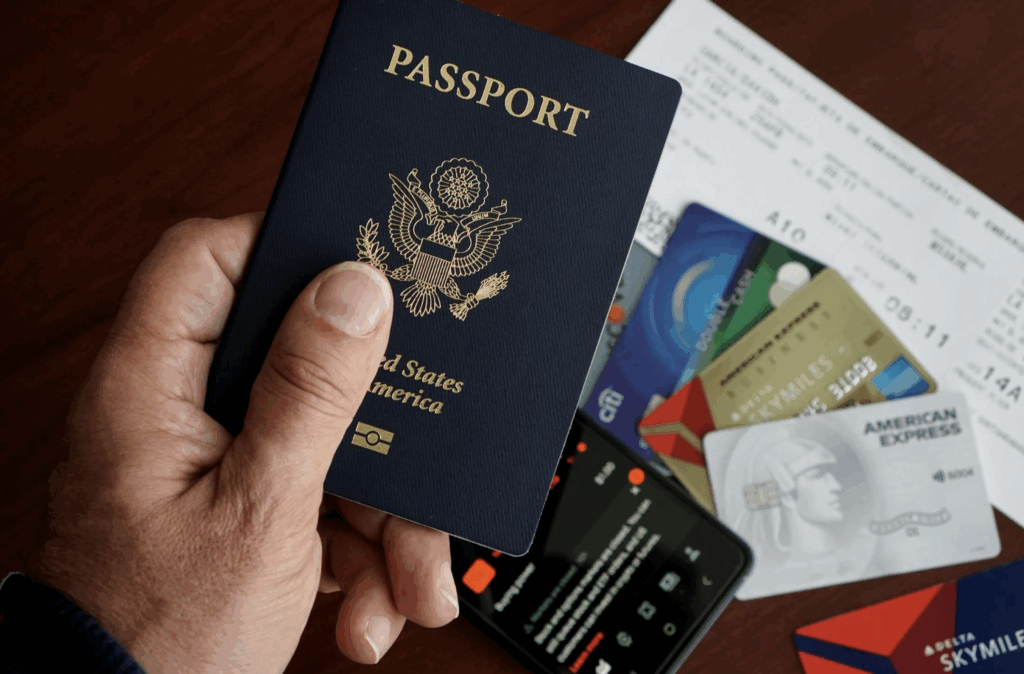
Right before a big trip, your brain is already overloaded. You are closing out finals, locking down hostel bookings, and trying to squeeze planning into whatever time is left. In the last week’s chaos, it is normal to see searches like “what’s the baggage limit” and “pay someone to do my homework for me” pop up alongside “how long are customs lines in Madrid.”
This guide keeps it simple. Here’s what actually happens at the border now, what can slow you down, and how to prep so you get through smoothly and start your trip on time.
EES is an EU-wide IT system that electronically registers certain data each time eligible non-EU travelers cross the external borders of participating European countries for a short stay (up to 90 days in any 180-day period).
Instead of relying on stamps, border authorities record your entry and exit digitally. EES launched operationally on 12 October 2025 and is being rolled out progressively, with full replacement of manual stamping targeted by 10 April 2026.
If you are traveling on a US passport as a tourist or short-stay visitor, you are exactly the type of traveler these procedures target: non-EU nationals entering for short stays.
“Students” are not a special legal category at the border unless you have a specific residence status. If you are just traveling for vacation, you are treated like any other short-stay visitor. That means the process is mostly about your passport, your biometrics, and confirming your entry/exit record.
Quick mindset shift: this is not about interrogations. It is about digital registration and verification.
Here’s what you can expect in practice when EES is active at your arrival airport or land border crossing:
This is the same border, but with a more structured data capture step the first time. If you are rushing to post a photo dump, or joking with friends that you need someone to write a paper for me while you stand in line, just remember: the first entry can take a bit longer than you expect.
The EES process records passport data plus biometric identifiers, specifically fingerprints and a captured facial image, alongside entry/exit details. The European Commission describes it as designed to improve security, detect overstays more automatically, and enable more automated border controls over time.
A practical note for students: biometrics are a “first time friction” problem. Once you are enrolled, later border checks should be closer to a quick confirmation.
If you wear glasses, change hairstyles often, or have a passport photo that barely resembles you now, do not stress. Border systems are built for normal human variation. Just follow instructions, look at the camera when asked, and place fingers flat on the scanner.
Most border delays for young travelers come from preventable stuff: expired passports, fuzzy itineraries, and tight connections that leave zero time for any new procedure.
Use this simple pre-flight checklist:
This is the part where you avoid the travel equivalent of do my assignments energy: scrambling at the last second, apps not loading, and screenshots missing right when you need them.
Students often hear “new EU travel authorization” and assume it is part of the passport control process. It is not.
ETIAS (European Travel Information and Authorisation System) is a separate pre-travel authorization for visa-exempt travelers. The official EU ETIAS site says it is expected to start operations in the last quarter of 2026, and travelers do not need to take action until the EU announces the specific start date.
So, for your planning:
Expect a more digital, biometric-first border experience in Europe, especially on your first entry under EES. Build a little extra time into arrival days, keep your trip basics handy, and do not let rumors about ETIAS derail your plans until the EU opens the real application process.
Counter
101 Countries • 1432 Cities