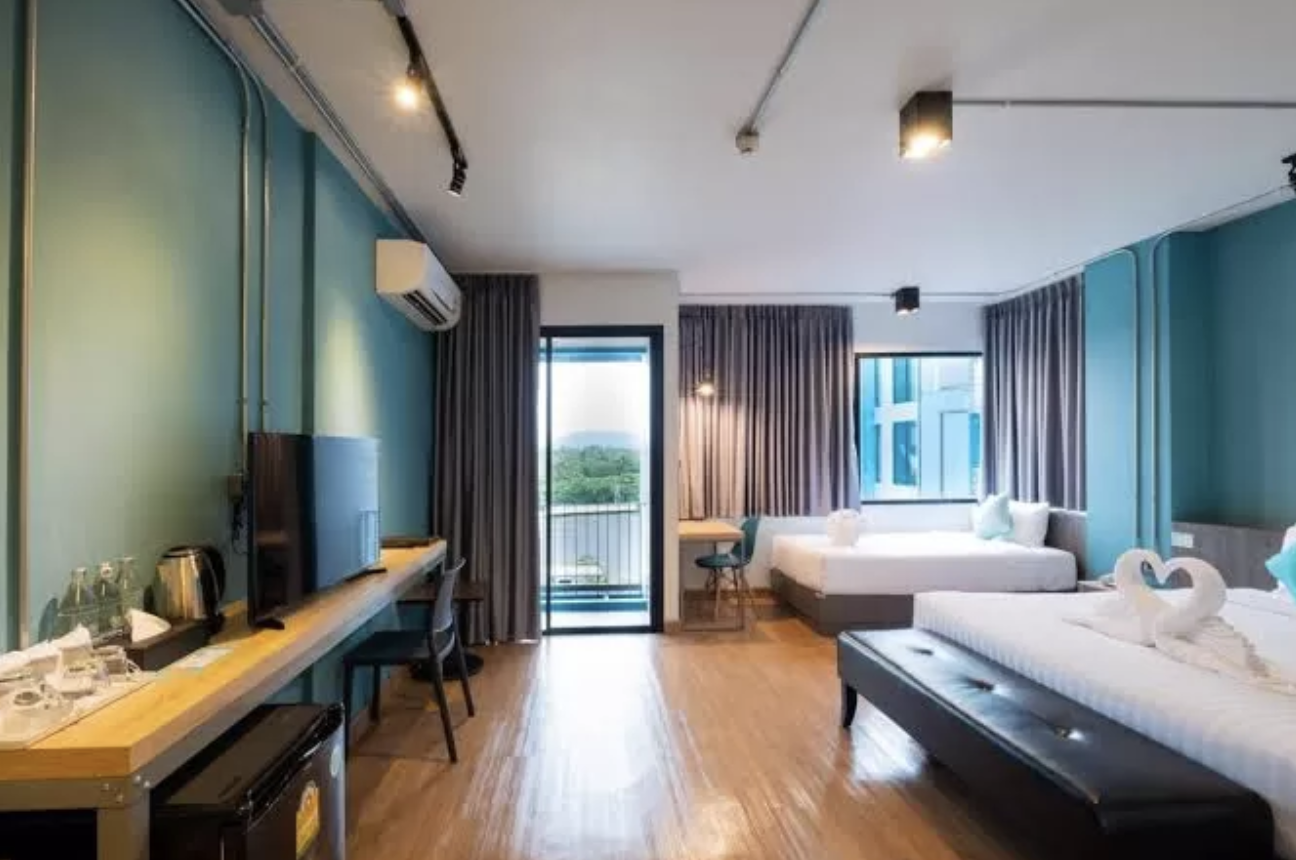

For a while, interiors seemed determined to whisper. Pale boards, barely-there finishes, and soft neutrals dominating room after room, all in the name of calm. That look still has its place, but the general mood has shifted. Homes are beginning to feel more expressive again, and maximalism is leading the charge.
This new wave of maximalism isn’t just about painted ceilings, layered prints or jewel-toned sofas. The biggest change is happening lower down. Flooring is becoming part of the design conversation rather than a backdrop to it.
From intricate parquet to rich dark timber and patterned LVT, bold floors are being used to ground colourful schemes and give rooms real character. When chosen well, they do far more than cover a surface: they set the tone for the entire space.
Why Maximalism Feels Relevant Again
Maximalism’s return makes sense in the way people are living now. Interiors are being asked to do more emotionally. A home is no longer simply a neat, neutral shell to pass through. Nowadays, it’s expected to feel personal, layered, and memorable. That naturally pushes design towards texture, colour, contrast, and objects with presence.
There’s also a growing appetite for interiors that look collected rather than flatly coordinated. That doesn’t mean clutter though! Good maximalism still relies on balance, rhythm, and repetition. It just uses those principles in a richer way. Floors play a key role here because they cover so much visual ground. A bold floor can introduce pattern, depth, or warmth without needing every wall to compete.
Parquet as a Feature
Parquet has moved well beyond its traditional reputation. Once associated with formal period homes, it now appears in spaces that feel contemporary, playful, and even slightly theatrical. That’s because parquet flooring brings movement to a room. The geometry creates a sense of structure, which is especially useful in maximalist interiors where there may already be plenty happening in the furnishings and décor.
Herringbone and chevron remain the most recognisable choices, but the current appeal lies in treating them as a statement rather than a safe heritage detail. A smoked oak herringbone floor, for example, has enough texture and variation to hold its own against patterned upholstery, lacquered furniture, and bold wall colours.
The Return of Dark Wood Floors
Dark wood flooring is coming back after years of being sidelined by pale oak and bleached finishes. It’s easy to see why. Rich walnut tones, espresso-stained timber, and deep brown wood bring a sense of drama that lighter floors simply can’t match.. They make a room feel rooted, enveloping, and slightly more grown-up.
In maximalist spaces, dark floors work as a visual anchor. When walls are colourful and furniture is varied, there needs to be something that steadies the room and a dark floor does exactly that. It stops bright tones from feeling sugary and gives patterned textiles a stronger frame.
Patterned LVT Flooring
Not every bold floor has to be wood though! Luxury vinyl flooring has become a practical route into maximalist flooring, particularly in kitchens, hallways, and family spaces where durability matters. The best examples no longer look flat or obviously synthetic. Many mimic wood, stone, or parquet with surprising depth, while offering far easier maintenance.
Herringbone or chevron LVT is particularly useful for anyone who wants the movement of parquet without the cost or upkeep of real wood. It introduces visual energy and can help elongate a room, drawing the eye through the space. Patterned vinyl tiles can bring a decorative punch that works beautifully in rooms where cabinetry or wall colour is relatively simple.
How Statement Floors Support Colourful Rooms
One of the most interesting things about bold flooring is tat it often makes colourful interiors feel more coherent, not less. That may sound counterintuitive, but a strong floor gives the eye somewhere to land. It acts almost like the outline in a painting, helping all the other elements sit together,
A chevron wood floor beneath a rust sofa, ochre curtains, and a marble coffee table adds order through repetition and line. A dark stained board beneath a room filled with art, books, and patterned cushions gives the whole scheme weight. Even a patterned LVT floor can tie together wall colour, cabinetry, and upholstery when one or two tones are echoed elsewhere in the room.
This is where maximalism becomes more than simply “stuff”. The most successful rooms are anchored by contrast, proportion, and material variation. Flooring is part of that mix, alongside fabric, paint, lighting, and furniture.
Counter
101 Countries • 1432 Cities