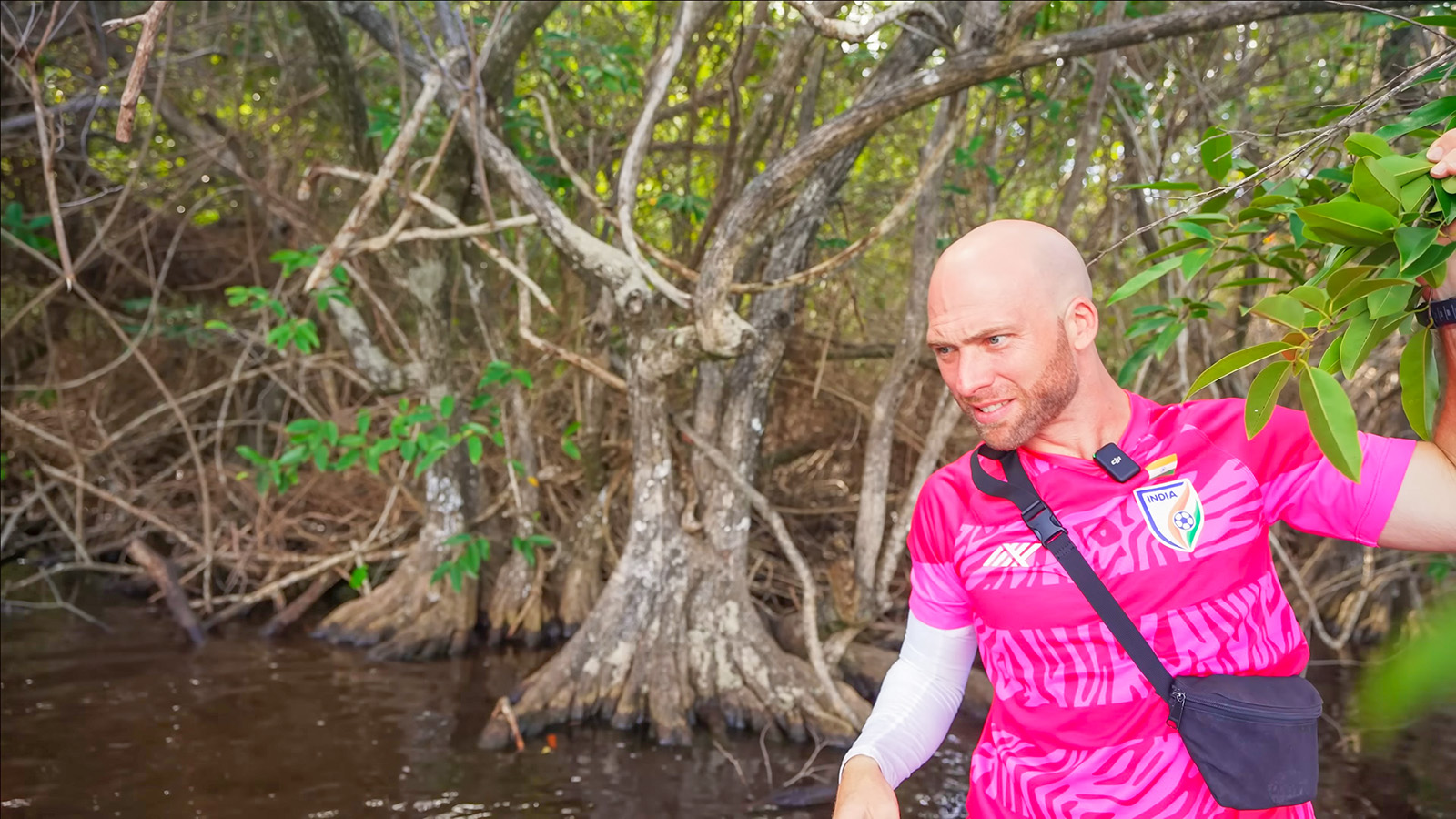

For many travelers, Surat Thani is little more than a name on a ticket. It is the place where buses, trains, and ferries connect visitors with Koh Samui, Koh Phangan, and Koh Tao. That reputation as a transportation hub is understandable, but it also means that much of mainland Surat Thani is overlooked.
Spend 48 hours away from the ferry terminals, however, and a different picture emerges. Surat Thani offers riverside neighborhoods, busy food markets, historic temples, traditional communities, and easy access to some of southern Thailand’s most interesting landscapes. The experience is noticeably different from the resort atmosphere of the islands, which is precisely why adding two days on the mainland can make a southern Thailand trip feel more complete. Thailand’s official tourism authority also highlights mainland attractions ranging from Surat Thani’s old town and riverside areas to Chaiya, Ban Phum Riang, Rajjaprabha Dam, and Khao Sok National Park.
Start the first morning in Surat Thani city itself. The city does not immediately compete for attention with dramatic beaches or famous resort districts. Instead, its appeal comes from everyday life.
A walk around the central streets reveals local shops, markets, temples, cafés, and neighborhoods that feel primarily designed for residents rather than visitors. This makes Surat Thani a useful place to slow down and observe daily life in southern Thailand.
The Tapi River is a natural reference point for exploring the city. Spending some time around the riverfront offers a change of pace from the commercial streets, particularly later in the afternoon when temperatures become more comfortable.
Nearby, the Surat Thani City Pillar Shrine is one of the city’s recognizable landmarks. Even for travelers who are not visiting for religious reasons, the area provides an introduction to the role shrines and temples play within Thai cities.
For those interested in seeing a greener side of the area, communities around the waterways outside the center provide another perspective. Khlong Roi Sai and areas such as Bang Bai Mai are associated with canals, palms, traditional homes, and local riverside life. They create a surprisingly rural atmosphere without requiring a journey to one of the offshore islands. The Tourism Authority of Thailand includes Bang Bai Mai ecotourism among its suggested mainland Surat Thani experiences.
Surat Thani becomes particularly interesting after sunset, when local food takes center stage.
San Chao Market, often referred to as Surat Thani Night Market, is a good place to explore without a strict plan. Small shops and food stalls fill the area with dishes ranging from noodles and grilled snacks to fried foods and southern-style specialties. Rather than looking for a single famous restaurant, try several smaller portions and make the evening meal part of the exploration. The market is one of the city’s established local food areas and is known for its variety of street food.
Southern Thai cuisine often makes strong use of spices, seafood, herbs, and bold curries. Surat Thani is also associated with local foods such as khanom chin rice noodles, oysters, and regional sweets, giving travelers plenty to discover beyond the dishes commonly encountered in Thailand’s most heavily visited destinations.
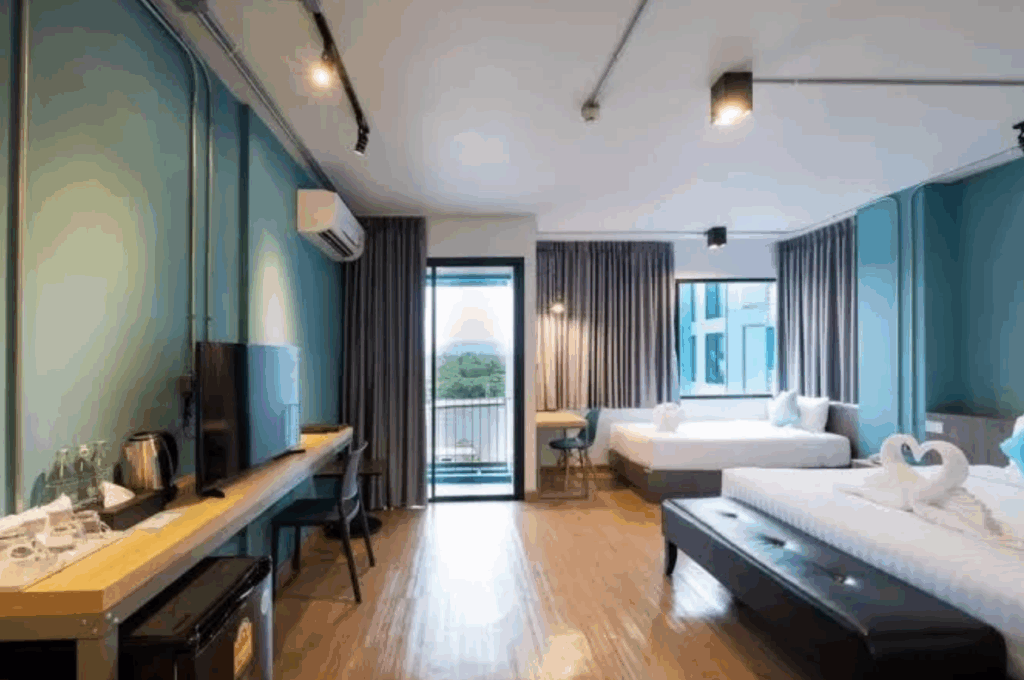
If you are building an itinerary around the city and nearby districts, it makes sense to consider location rather than simply booking close to a transport terminal. For travelers staying overnight, the location of hotels in Surat Thani can influence how easily they reach the riverfront, local markets, transport connections, and nearby districts.
Use the second day to move beyond the city center. One worthwhile direction is Chaiya, a historic district north of Surat Thani city.
Wat Phra Borommathat Chaiya is particularly significant for anyone interested in the cultural history of southern Thailand. The temple is known for architecture associated with the Srivijaya period and remains an important historical site in the province. The nearby Chaiya National Museum can add useful context for travelers who want to understand the area’s past rather than simply photograph the temple.
From Chaiya, continue toward Ban Phum Riang. The community has historical connections with regional trade and is especially known for its traditional silk weaving. It also reflects the cultural mixture found in southern Thailand, where Buddhist and Muslim communities have long lived in close proximity.
Visiting places such as Phum Riang changes the character of a Surat Thani trip. Instead of moving between conventional tourist attractions, the day becomes about crafts, food traditions, local history, and community life. It is a quieter type of travel, but often a more memorable one.
Mainland Surat Thani also contains much more ambitious natural attractions.
Khao Sok National Park is known for tropical rainforest, limestone landscapes, waterways, and diverse wildlife, while Rajjaprabha Dam and its reservoir—widely known as Cheow Lan Lake—are famous for dramatic limestone formations rising above the water. Both are major reasons to explore inland Surat Thani.
Trying to combine Surat Thani city, Chaiya, Khao Sok, and Cheow Lan Lake into a single 48-hour visit, however, would leave little time to appreciate any of them. Travelers whose priority is nature may prefer to replace the Chaiya day with Khao Sok or the reservoir, while those interested in culture and food can stay closer to Surat Thani and Chaiya.
The important point is that the mainland provides choices rather than a single must-follow itinerary.
Surat Thani’s islands are famous for good reason, but they represent only one part of the province.
Two days on the mainland reveal a destination shaped by rivers, markets, temples, rainforest, historic communities, and distinctly southern Thai food. More importantly, mainland Surat Thani offers something that can become difficult to find on a tightly planned island itinerary: room to slow down.
Instead of arriving at the airport or railway station and immediately searching for the next ferry, stay a little longer. Walk beside the Tapi River, eat your way through a night market, explore Chaiya’s history, and see how life continues beyond the beach resorts.
Surat Thani may still be your gateway to the islands, but after 48 hours on the mainland, it is unlikely to feel like merely a gateway.
Counter
101 Countries • 1432 Cities