

To protect your rights during a road trip accident, immediate documentation is vital. Because you are away from home, you cannot rely on local knowledge or familiar resources. Focus on gathering objective facts to ensure the insurance company processes your claim without delays.
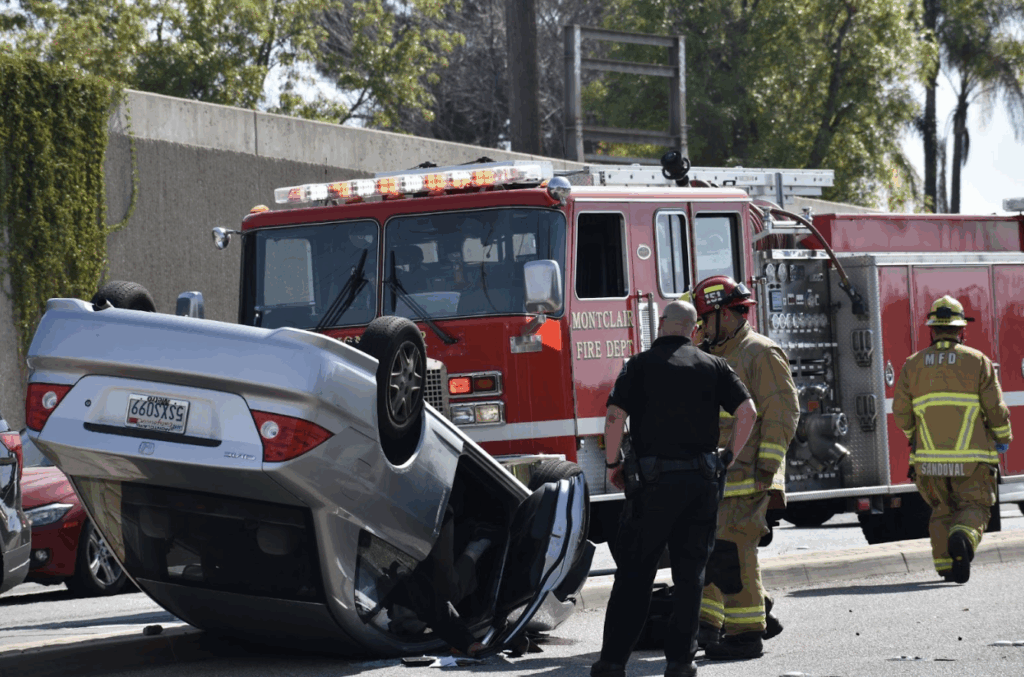
First, prioritize safety and call local police to file an official report. Exchange contact and insurance information with all drivers. Use your phone to capture wide-angle and close-up photos of vehicle positions, damage, and road conditions. Finally, collect witness statements and save all digital records to the cloud to prevent data loss.
Memory fades quickly when you are in an unfamiliar state. Fatigue makes it difficult to recall specific lane markings or street signs later. Documenting the scene immediately prevents the loss of physical proof that disappears once vehicles move or the weather changes.
In legal terms, failing to capture this data can lead to spoliation, which is the loss of evidence. Since insurance adjusters rely on hard data, your digital record is the primary defense against false claims. By securing photos and witness names right away, you ensure the facts remain accurate regardless of how much time passes before the claim is resolved.
The first minutes after a crash are vital for your claim. Prioritize safety, then act like a reporter gathering environmental facts.
Capture the complete story by taking wide shots of the intersection or highway. Move closer to document specific dents, paint transfers, and debris. Photograph skid marks and damaged guardrails, as these indicate vehicle speed and braking attempts.
Get more than just a phone number. Photograph the other driver’s license and insurance card for accuracy. Identify people who stopped to help and secure their contact details. Neutral witnesses are often the most influential when an insurance company determines fault in an unfamiliar location.
Every state has its own rules regarding how evidence is handled, but the general principles of e-discovery apply across the country. This means that your digital photos and GPS data can be used as electronic evidence during a claim.
For example, North Carolina statutes dictate specific requirements for reporting accidents that result in injury or significant property damage. If you are unsure about the local regulations in the area where the crash happened, consulting a North Carolina car accident lawyer at Stewart Law Offices, a firm where legal acumen meets ethical duty, can provide clarity on how to handle your specific situation. You can visit them to discuss how regional statutes might impact the way you present your collected data to an adjuster.
Legal professionals can help you look into the specific reporting requirements and liability rules that vary from one state to another. Recent data highlights the frequency of these incidents. For instance, the NCDOT reported 284,157 traffic crashes in 2023.
Since you are on a road trip, physical papers can easily get lost in a messy car. It is better to use digital storage to keep everything organized. This ensures that even if your phone is damaged later in the trip, your evidence remains safe in a secondary location.
According to Brent Stewart, a North Carolina car accident attorney at Stewart Law Offices, “In the eyes of the law, a digital record created at the scene is a shield against the erosion of truth that happens over long distances and passing time.”
Additionally, the Federal Motor Carrier Safety Administration reports that 5,121 vehicles were involved in fatal and non-fatal commercial crashes in 2025.

After returning home, confirm your insurer received all documentation. Log every conversation with adjusters and go for immediate medical treatment to protect your well-being. Keeping organized evidence is vital for negotiating fair settlements if initial offers are low.
Verify all repairs are complete, and your vehicle is fully restored before closing the file. Consistent follow-ups ensure nothing is overlooked during your recovery. Tracking every expense will further strengthen your claim.
What if the police do not come to the scene?
If officers do not respond, you must visit the nearest police station to file a report manually. This creates a legal record of the event that insurance companies require for claims.
Should I admit fault to the other driver?
Never apologize or admit blame at the scene of the accident. Simply state the facts of what happened and let the insurance companies determine fault based on the collected evidence.
How long do I have to report the crash?
Most insurance policies require you to report an accident within twenty-four hours. Waiting too long can give the company a reason to deny your claim or question the damage.
Counter
101 Countries • 1432 Cities
