

Living in a camper van has shifted from a fringe lifestyle into a widely considered alternative to traditional housing and travel. What once appealed primarily to minimalists and long-term travelers is now attracting remote workers, retirees, and those seeking greater flexibility in how they live and move.
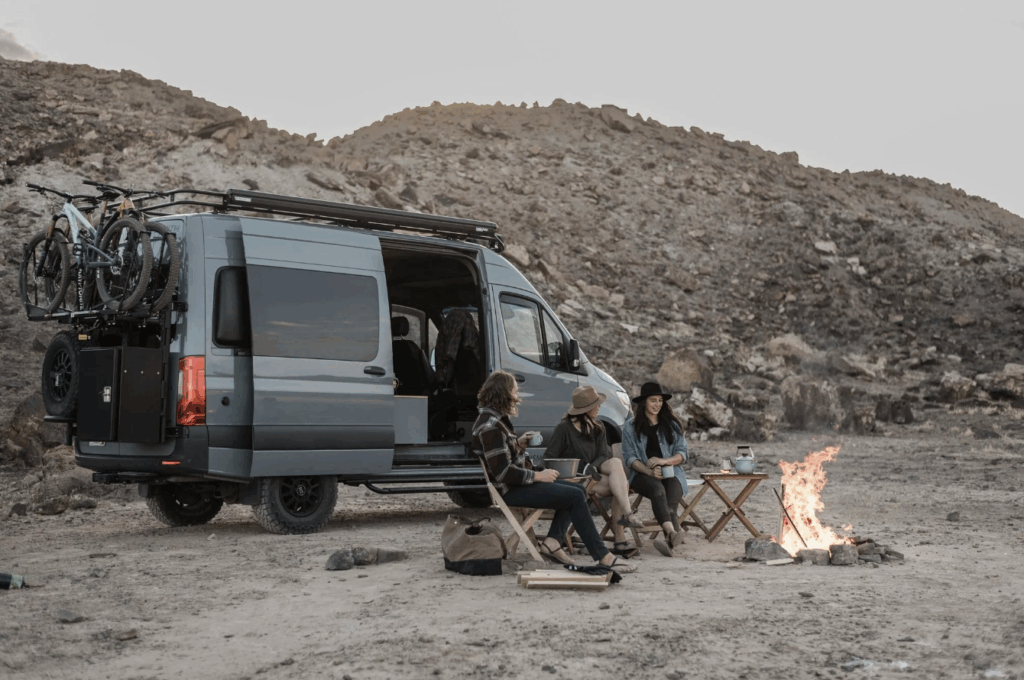
The appeal is straightforward. A camper van offers mobility, reduced living expenses in some cases, and the ability to experience a wide range of environments without committing to a single location. At the same time, it introduces trade-offs that are often overlooked in idealized portrayals of life on the road.
Understanding what daily life actually looks like, along with the real costs involved, is essential before making the transition.
Daily life in a camper van is shaped by a series of small routines that replace many of the conveniences of a traditional home. Simple tasks such as cooking, sleeping, and maintaining hygiene require more planning and adaptability.
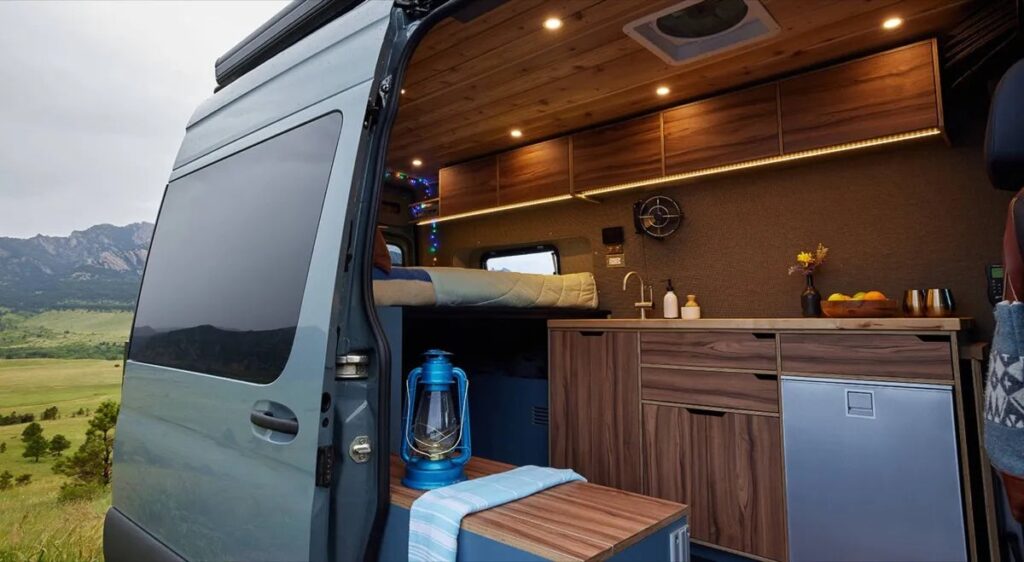
Mornings often begin with managing space. Beds may need to be converted into seating areas, and storage systems are used constantly to keep the space functional. Cooking is typically done on compact stoves, and meal preparation tends to be simplified due to limited counter space and refrigeration.
Water usage is another defining factor. Depending on the setup, water may be stored in tanks that require regular refilling. This affects everything from dishwashing to showering. Many van dwellers rely on a combination of onboard systems and external facilities such as gyms or campgrounds.
Evenings tend to revolve around location. Finding a safe and legal place to park overnight is part of the daily rhythm. This can range from designated campsites to dispersed camping areas, depending on local regulations and personal preference.
One of the most immediate adjustments in van living is space. Every item must serve a purpose, and storage is limited. This often leads to a more intentional approach to belongings, but it can also create challenges, particularly for those transitioning from larger living environments.
Climate control is another important consideration. Vans are more susceptible to outside temperatures, requiring insulation, ventilation, and in some cases heating or cooling systems. Comfort can vary significantly depending on the build quality and the environment.
Despite these limitations, many people find that the reduced space leads to a simpler and more focused daily routine. The absence of excess can be a benefit, but it requires adjustment.
While van life is often associated with lower costs, the reality is more complex. Expenses vary widely depending on travel style, vehicle type, and personal habits.
Monthly costs typically include fuel, food, insurance, maintenance, and campsite or parking fees. Fuel can be one of the largest variables, especially for those who move frequently. Food costs may decrease if cooking is done regularly, but eating out can quickly offset those savings.
Maintenance is another ongoing expense. Vans require regular servicing, and repairs can be more disruptive when the vehicle is also your living space.
According to industry estimates, monthly van life expenses can range from around $1,000 for minimal travel to $3,000 or more for a more comfortable and mobile lifestyle.
Insurance and registration costs also vary depending on the vehicle and how it is classified. Some owners encounter challenges insuring fully converted vans, particularly if the build is not professionally documented.
For those working remotely, connectivity is a central concern. Reliable internet access is not guaranteed in many remote areas, requiring a combination of solutions such as mobile hotspots, signal boosters, or satellite systems.
This can influence where and how long someone stays in a given location. Many van dwellers plan travel routes around connectivity needs, balancing scenic locations with practical work requirements.
Public spaces such as cafes and libraries are also commonly used for more stable connections when needed.
One of the most cited advantages of van living is flexibility. The ability to change locations, follow favorable weather, or explore new areas without long-term commitments is a defining feature of the lifestyle.
This flexibility can also extend to scheduling. Without the constraints of a fixed location, daily routines can be adjusted more freely. Travel can be spontaneous, and environments can be chosen based on preference rather than necessity.
However, this freedom comes with responsibility. Navigation, planning, and adapting to changing conditions are ongoing parts of the experience.
While the benefits are widely discussed, there are also challenges that are less frequently highlighted. Isolation can be a factor, particularly for solo travelers. Access to consistent amenities such as bathrooms, showers, and laundry requires ongoing planning.
Legal restrictions also vary by location. Overnight parking rules differ between cities and regions, and staying informed is necessary to avoid fines or disruptions.
Weather can impact plans as well. Extreme heat or cold can make certain environments difficult without the proper systems in place.
These factors do not necessarily outweigh the benefits, but they are important to consider for anyone evaluating the lifestyle.
The experience of van living is heavily influenced by the design and quality of the build. Layout, storage, electrical capacity, and water systems all contribute to daily comfort and usability.
A well-designed van can make everyday tasks more efficient and reduce friction in daily routines. Poor design choices, on the other hand, can create ongoing challenges.
For those exploring professionally built options, looking at completed examples from builders such as The Vansmith can provide a clearer understanding of how different layouts and systems function in real-world conditions.
Living in a camper van is not defined by a single experience. It varies based on individual preferences, travel style, and expectations. For some, it offers a level of freedom and flexibility that traditional living cannot match. For others, the trade-offs in space and convenience may outweigh the benefits.
Evaluating the lifestyle realistically is the most effective way to determine whether it aligns with personal goals. Short-term trips or rentals can provide useful insight before making a longer-term commitment.
Van life continues to grow in popularity, but the reality behind the lifestyle is more nuanced than its portrayal online. It offers a unique combination of mobility and simplicity, balanced by the need for planning and adaptability.
Understanding both the benefits and the challenges allows for a more informed decision. For those who find the balance that works for them, living in a camper van can provide a flexible and rewarding way to experience daily life on the road.
Counter
101 Countries • 1432 Cities

