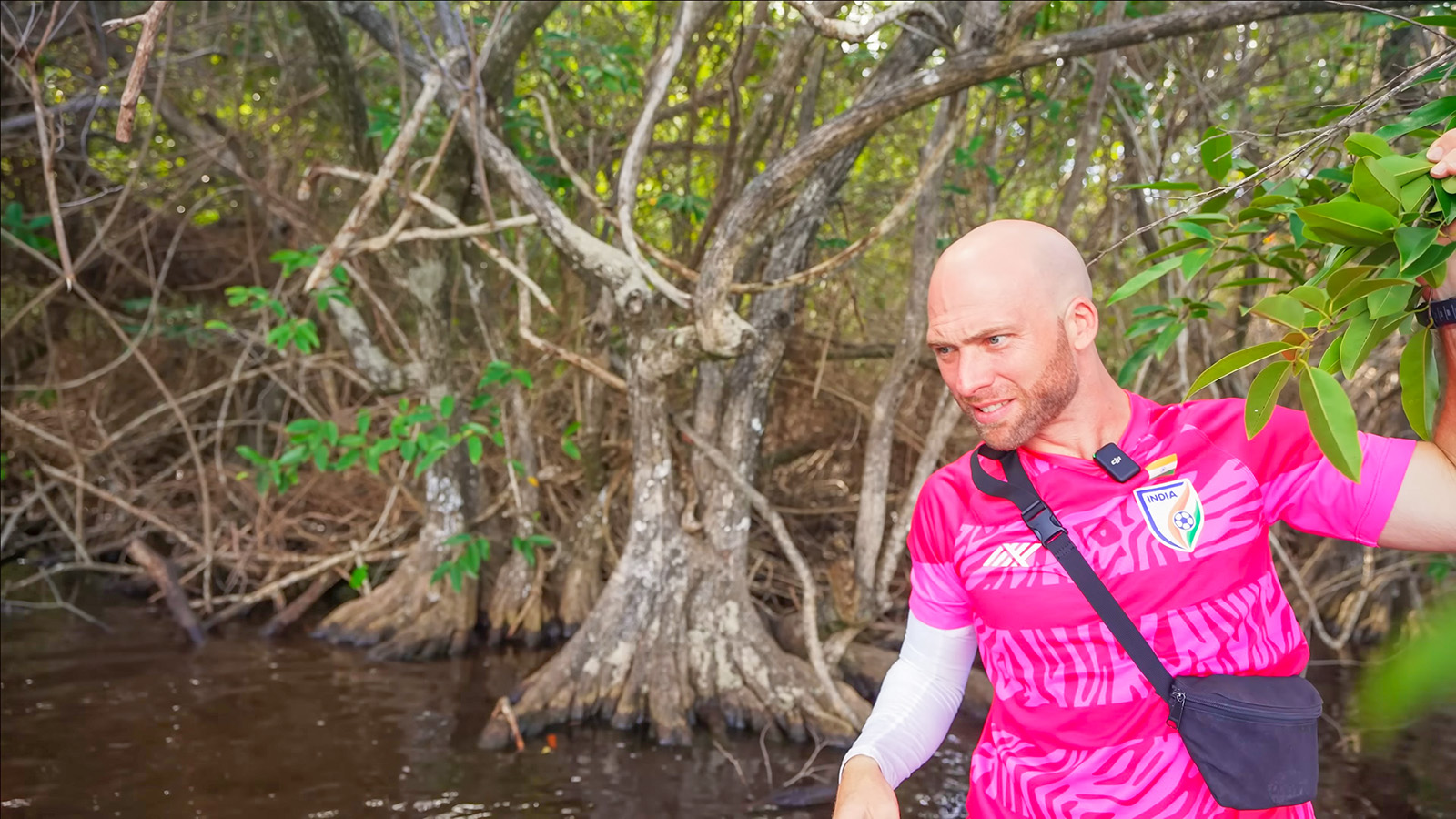

A travel creator posts a photo from a beach in Thailand, and suddenly thousands of people are daydreaming about booking a flight.
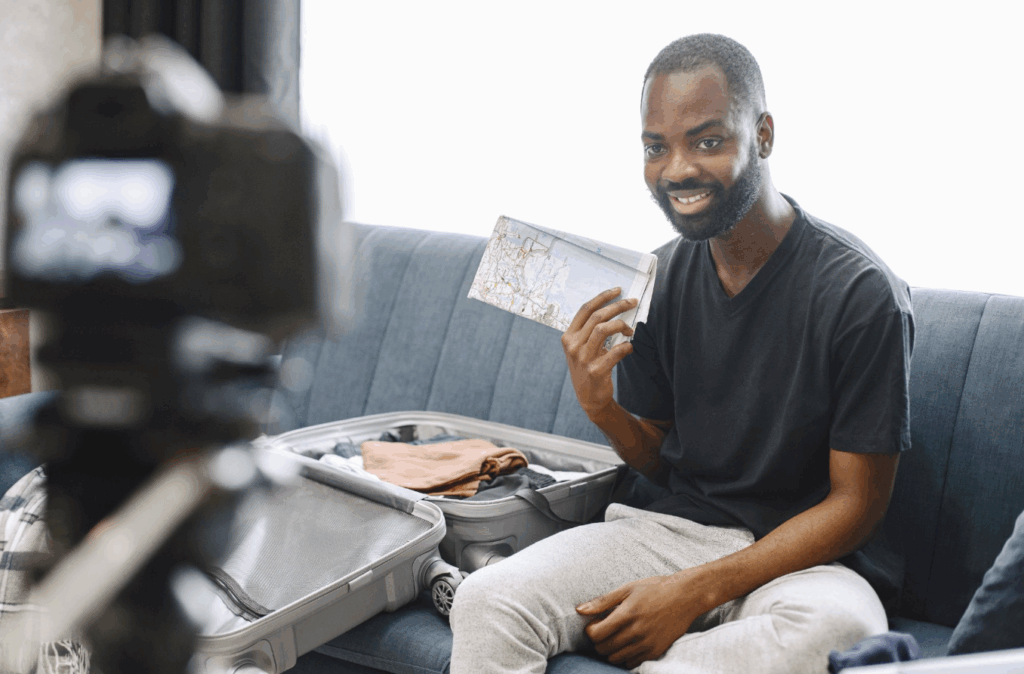
Maybe it’s a video from a crowded street market, or a drone shot that makes everyone immediately start searching for flights.
What people usually don’t see is everything that happened before that moment.
The delayed flight or the missed train. The camera battery that died at exactly the wrong time. The laptop balanced on a hotel desk late at night while everyone else is asleep.
Travel content has a funny way of hiding the work behind it.
That’s part of what makes recognition interesting. People see the finished result. They rarely see how much effort went into creating it.
Some creators publish detailed destination guides.
Others focus on personal experiences, food, local culture, or hidden gems that don’t always appear on lists of must see attractions and activities.
That’s part of what keeps travel content interesting. Two creators can visit the same place and come away with completely different stories.
A lot of recognition doesn’t start with an award.
It starts with a comment, a message, or an email from somebody you’ve never met.
A traveler thanks a creator for helping them plan a trip. Someone says a video convinced them to visit a destination they had never considered before.
Those moments don’t come with trophies. Creators remember them anyway.
Travel creators spend years building libraries of content.
Articles, videos, photos, and destination guides.
Sometimes a piece of content published years ago suddenly finds a new audience. This might be because:
Recognition has a habit of showing up in unexpected ways.
Some milestones are personal.
A creator reaches 100,000 subscribers. A blog publishes its thousandth article. A video reaches a million views.
Those moments matter, even when nobody hands out a trophy.
Many creators remember those achievements just as clearly as formal awards.
This sounds strange, but it comes up often.
A creator wins an award. Friends get excited.
Family gets excited. Followers get excited.
Meanwhile, the creator is already editing the next video, researching the next destination, or sitting in another airport waiting for another flight.
Recognition matters. The work usually continues anyway.
Travel content lives online — and that’s part of what makes physical recognition so interesting.
A plaque on a shelf. A framed certificate. A piece of engraved glass displayed in a home office. A subscriber count lives on a screen, but a physical award sits somewhere you can touch it. Maybe that shouldn’t make a difference, but for a lot of people, it does.
That’s one reason creators still appreciate tangible recognition at annual ceremonies. Long after a post disappears down a social media feed, a glass award sitting on a desk is still there.
Years ago, creators often built audiences close to home. Today, a travel video filmed in one country can reach viewers all over the world. This looks like a blogger in Canada may inspire someone in Australia or a creator in Europe may help someone plan a trip across South America.
Travel content naturally crosses borders. Recognition increasingly does the same.
A creator may never meet most of the people who follow their work. That doesn’t make the impact any less real.
One interesting thing about awards is that they rarely mark the end of anything.
Most creators don’t stop traveling. They don’t stop filming. They don’t stop writing.
If anything, they usually start thinking about the next story.
The next destination. The next adventure.
Maybe it’s finally time to visit Japan. Or return to a place they’ve been meaning to revisit for years.
Recognition is meaningful. But travel creators tend to be focused on what’s next.
A lot of travel content is about destinations.
The airport somehow ends up in the story anyway. Not intentionally. It just happens.
A delayed flight changes a schedule, a missed connection creates an unexpected stop, and a conversation at a gate turns into a story.
People see the beach photo later. The airport usually gets edited out.
Ask a traveler about their favorite photo. Then ask which photo almost got posted instead.
Those can be very different answers.
Most people only see the finished version: the edited version, or the polished version.
Creators tend to remember all the versions that came before it.
The blurry one. The badly framed one. The one taken five minutes before the light disappeared.
Funny enough, audiences rarely know the difference.
Some creators plan every detail. Others leave room for surprises.
One person may spend a week researching a destination before booking a flight. Another may arrive with only a rough idea of what they want to see.
The same thing happens with content.
Some creators publish polished destination guides. Others focus on spontaneous moments and personal experiences.
Neither approach is necessarily better. They’re just different.
That’s one reason travel content can feel so personal. Two creators can visit the same city and come home with completely different stories.
Audiences notice that. In many cases, it’s what keeps people coming back.
Some creators are recognized through industry awards. Others are recognized through audience growth.
Some build loyal communities. Others become trusted sources for specific destinations.
That’s part of what makes the travel industry interesting. No two creators follow exactly the same path.
Fortunately, there are plenty of ways for good work to be noticed along the way.
If you enjoyed this article, be sure to explore more travel stories, destination guides, and creator insights throughout our site.
Counter
101 Countries • 1432 Cities