

The best way to evaluate neighborhood safety in Tucson is to research crime data, visit neighborhoods at different times, assess local amenities, speak with residents, and understand the community’s overall environment. Looking at several factors instead of relying on a single source can help you choose a neighborhood that fits your needs and lifestyle.
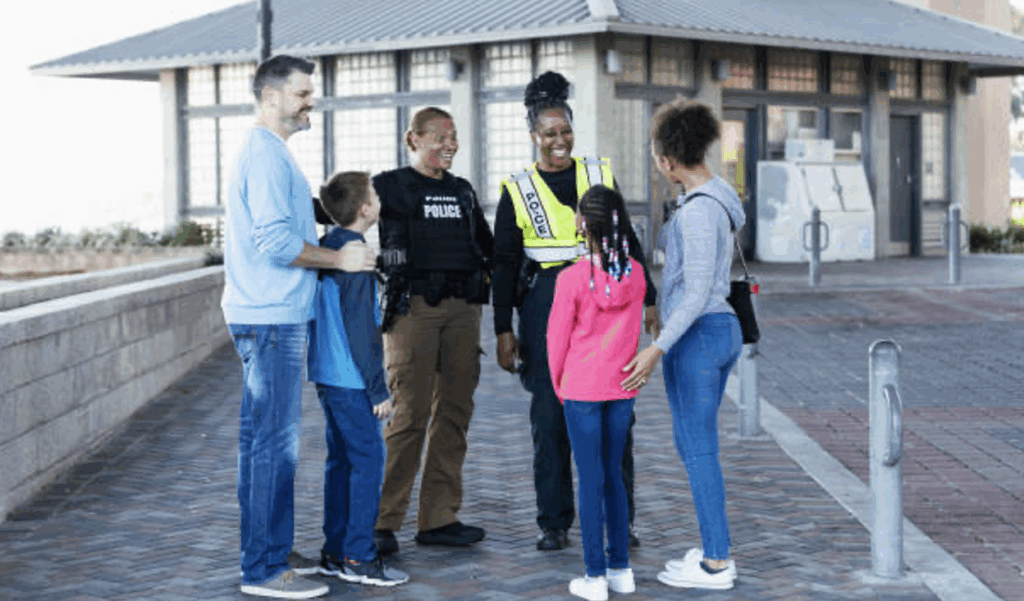
Tucson is Arizona’s second-largest city and is known for its desert landscapes, outdoor recreation, rich cultural history, and welcoming communities. Like any large metropolitan area, Tucson has neighborhoods that vary in population, amenities, and safety.
If you’re researching the safest neighborhoods in Tucson, taking the time to compare different areas and gather reliable information can help you make a confident decision before moving.
Start by looking at crime data from reliable sources such as local law enforcement agencies or official public safety reports. These resources often provide information about property crimes, violent crimes, and trends within specific neighborhoods.
Instead of focusing only on overall crime rates, pay attention to the types of incidents reported and whether they have increased or decreased over time.
A neighborhood can feel very different during the day than it does at night. Visit the area on weekdays and weekends, as well as during the morning and evening.
While exploring, observe:
These observations can provide a clearer picture of daily life in the neighborhood.
Residents often have firsthand knowledge about the community that may not appear in online reports. Ask about neighborhood events, traffic, noise levels, emergency response, and overall quality of life.
Speaking with several people helps you gather balanced information and better understand the area’s strengths and challenges.
Nearby schools, libraries, recreation centers, and community organizations can provide insight into the stability and engagement of a neighborhood. Even if you do not have children, these resources often contribute to a stronger sense of community.
Well-maintained public spaces and active neighborhood associations may indicate that residents are invested in maintaining the area.
Convenient access to grocery stores, healthcare providers, pharmacies, and public transportation can improve both comfort and safety. Also consider the condition of sidewalks, crosswalks, and bicycle lanes if you plan to walk or bike regularly.
Easy access to essential services can make daily life more convenient while reducing travel time.
Although appearance alone does not determine safety, well-maintained homes, clean streets, and functioning streetlights may reflect neighborhood pride and community involvement.
Look for signs that residents and local businesses actively care for their properties, as this can contribute to a positive living environment.
Learning about local laws can provide additional insight into how neighborhoods operate. For example, Arizona Revised Statutes Section 9-500.12 authorizes municipalities to establish neighborhood revitalization programs that support community improvement efforts. While these programs do not determine neighborhood safety, they can encourage investment and stronger community engagement in certain areas.
Every homebuyer or renter has different priorities. Some people prefer quiet residential neighborhoods, while others value walkability, nightlife, or proximity to work.
Create a list of the features that matter most to you and compare several neighborhoods before making your final decision. Combining objective research with your own observations is often the most reliable approach.
Counter
101 Countries • 1432 Cities