

Living safely in Louisville involves understanding your neighborhood, staying aware of your surroundings, and taking practical precautions at home and while traveling. Although many residents enjoy the city’s parks, restaurants, and community activities, crime and traffic risks can vary between neighborhoods and situations. A thoughtful safety routine can help reduce exposure to preventable problems.
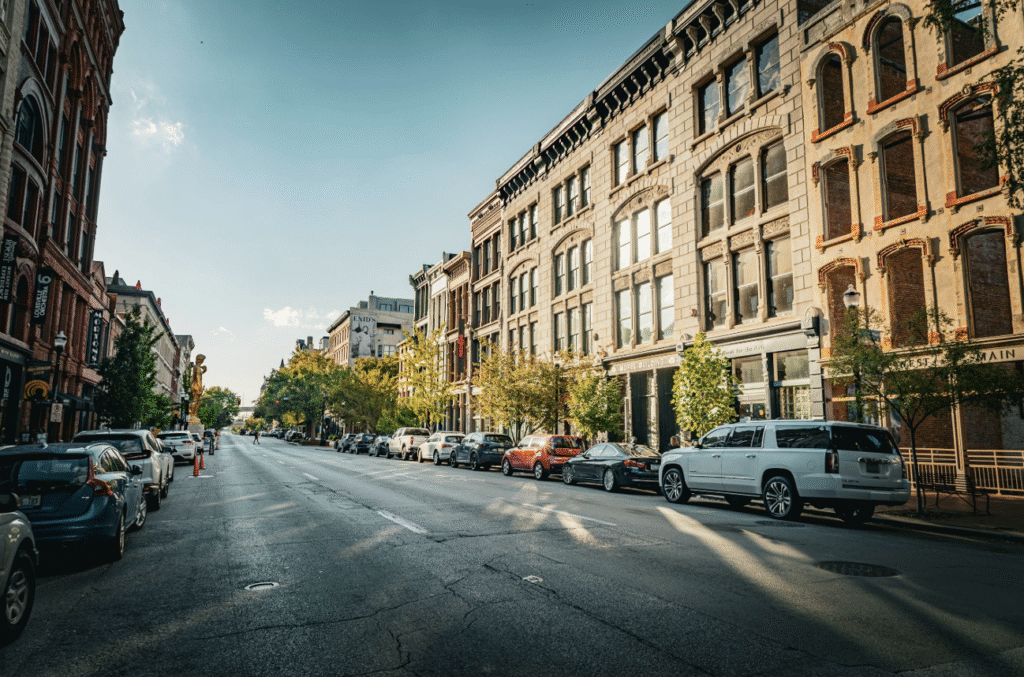
When evaluating the question “Is Louisville safe to live in?“, residents should consider recent crime trends and neighborhood-level safety conditions rather than relying solely on the city’s overall reputation. Louisville reported a 22% decrease in homicides and a 28% decrease in non-fatal shootings in 2025 compared with 2024, according to the city’s Safe Louisville annual report. While these improvements are encouraging, personal safety habits remain important.
Safety can differ significantly across Louisville. Before moving into a neighborhood or choosing a regular route, review local crime information and pay attention to lighting, pedestrian activity, traffic patterns, and nearby services.
Residents can also follow updates from Louisville Metro Police and attend community meetings when possible. Staying informed helps people recognize recurring concerns and learn about local safety initiatives.
Simple home-security habits can reduce opportunities for theft and unauthorized entry.
When traveling, avoid announcing extended absences publicly. Ask a trusted neighbor to collect packages or monitor your property if you will be away.
Situational awareness matters when walking, shopping, or using public transportation. Keep your phone accessible but avoid becoming distracted while crossing streets or walking through unfamiliar areas.
At night, choose well-lit routes and stay near populated areas when practical. If a location feels unsafe, leave rather than waiting for a situation to escalate. When driving, keep doors locked, avoid displaying expensive items, and park in visible areas.
Louisville residents encounter busy roads, intersections, and changing weather conditions. Drivers should avoid distractions, maintain safe following distances, and never drive under the influence.
Pedestrians should use marked crossings, obey traffic signals, and remain visible after dark. Cyclists should use appropriate lights and protective equipment. Extra caution is particularly important near construction zones and roads with limited pedestrian infrastructure.
Keep emergency contacts, medical records, and essential supplies accessible. Make sure household members know how to contact emergency services and where to meet if they become separated.
For immediate emergencies, call 911. For non-emergency concerns, use the appropriate Louisville Metro Police contact options. Residents should also know the locations of nearby hospitals, pharmacies, and urgent-care facilities.
The city’s 2025 Safe Louisville Annual Report provides recent public-safety information. Residents can also consult Louisville Metro Government for local services and community updates.
1. Is Louisville safe for families?
Many families live in Louisville, but safety depends on the neighborhood, housing conditions, schools, and daily routines. Researching specific areas is more useful than relying only on citywide statistics.
2. Should residents avoid walking at night?
Not necessarily. Residents should choose well-lit routes, remain aware of their surroundings, and avoid isolated areas when possible.
3. How can residents stay updated about local safety?
Follow Louisville Metro Police updates, review city safety reports, and participate in neighborhood associations or community meetings.
Counter
101 Countries • 1432 Cities