
Many may find themselves scratching their heads when they hear about kratom. Although traditional stories usually depict the plant as a part of everyday life in Southeast Asia, online discussions and scientific studies may offer different viewpoints. Finding reliable answers among conflicting viewpoints may not be straightforward, particularly if you’re looking for facts rather than opinions.
Recent research offers a better way to understand kratom. Researchers have begun investigating why people use and are drawn to kratom, as well as any possible risks or limitations. Comparing those findings with traditional practices creates a clearer picture of where history and modern evidence overlap and where they differ.
In this article, traditional use of kratom is compared with modern scientific findings so that you can make informed decisions.
Kratom and its leaves have long been a part of the lives and traditions of the people of Thailand, Malaysia, and Indonesia. Today, people searching for kratom for sale often want to understand that history alongside current scientific findings before making informed decisions.
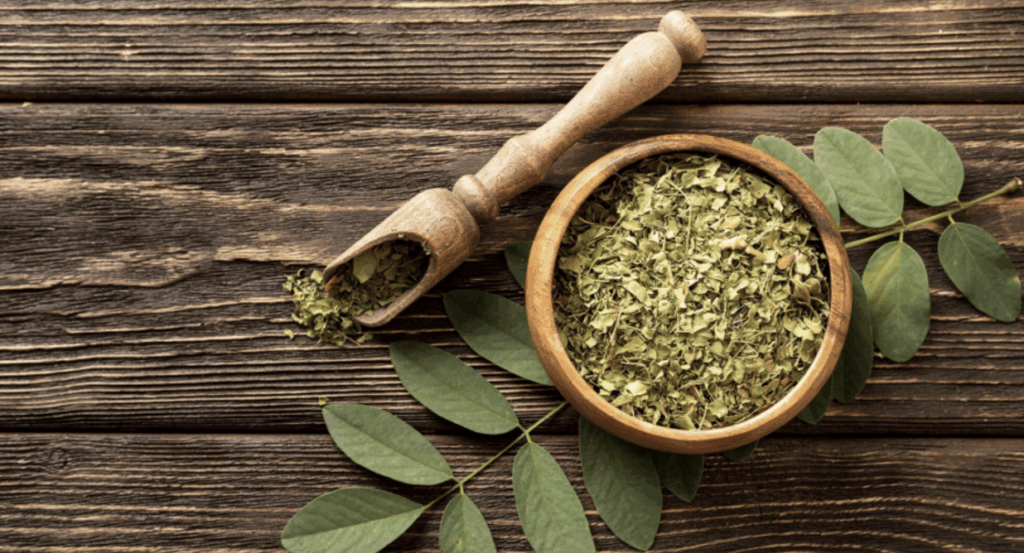
Typically, these leaves were used fresh or dried for chewing or for making tea. However, there is a contrast between modern and traditional studies, as the former are conducted on commercially available products with different formulations, concentrations, and compositions. This disparity can result in scientific findings that differ from traditional observations.
Traditional practices also took shape within their surroundings and culture. Familiarity with those conditions helps explain discrepancies between historical information and contemporary science.
Kratom has been studied further in the modern era by employing surveys, lab testing, and public health data to address present-day uses of the plant. Scientific research is based on standardized ways of assessing evidence that can be tested and reproduced, while traditional knowledge is based on generations of lived experience.
In addition, different people have different motivations for using kratom, and each person’s response to it varies significantly. The researchers also stated that personal reports should not be considered scientific evidence, as results are subject to a range of variables.
Public health data provides additional insight. A recent CDC report found an increase in kratom-related poison center reports in the United States between 2015 and 2025. Overall, these findings extend knowledge of kratom, especially in terms of population trends, which were not systematically recorded in traditional use.
Historical context is provided by traditional knowledge, followed by a scientific approach using controlled methods, statistical analysis, and peer review to assess available evidence. Therefore, traditional use tells the story of how kratom has been used over time, and recent research attempts to determine if these observations can be measured.
Other factors, such as product quality, the concentration of alkaloids, preparation methods, and personal variables, may also affect study results, according to researchers. Additionally, a review published explained that variations between studies can hinder the ability to compare results and reach general conclusions.
Together, traditional knowledge is complemented by scientific evidence. Historical practices provide some background, and research is used to indicate which practices are grounded in current evidence and which still need further investigation.
Safety is key to modern research, as today’s kratom products are used in different environments than traditional communities. Product composition, reported adverse events, and use patterns are reviewed by scientists to gain insights into factors that can impact the results. This approach provides insights that historical accounts alone cannot offer.
Product quality is another important factor to consider. All these factors can differ depending on the source, processing techniques, product uniformity, and laboratory test results, so it is vital to check this information prior to choosing a product.
By considering traditional practices as well as scientific evidence, people can make informed decisions. Readers can better assess information and have realistic expectations when using kratom by using credible sources and knowing that research is ongoing.
Comparative evaluation of conventional knowledge and research indicates that both approaches provide salient information. Traditional knowledge helps us to understand how kratom came into the lives of some Southeast Asian populations, and modern research investigates this experience in a standard scientific way. Together, they provide a more balanced understanding than either source alone.
Scientific evidence also reminds readers that research is still developing. Some results confirm the user’s observations; however, others reveal uncertainty or possible safety issues for further investigation. Instead of viewing traditional practices and scientific studies as opposing perspectives, both can serve as useful sources of information responding to different queries.
All those interested in learning about kratom should seek out credible research, understand the limitations of personal experience, and keep a watch for new evidence. In comparison, social media, marketing, or anecdotal evidence is not as useful for better decision-making as information backed by evidence.
Traditional use offers valuable historical context, while current research provides a structured way to evaluate kratom through scientific investigation. Together, these perspectives explain how the plant has been used over time and why researchers continue to study its properties, potential risks, and areas where evidence remains limited.
When exploring information about kratom, compare historical knowledge with peer-reviewed research instead of relying on a single source. Reading reputable studies, understanding their limitations, and following updates from public health organizations will help you develop a more informed and balanced perspective.
Counter
101 Countries • 1432 Cities