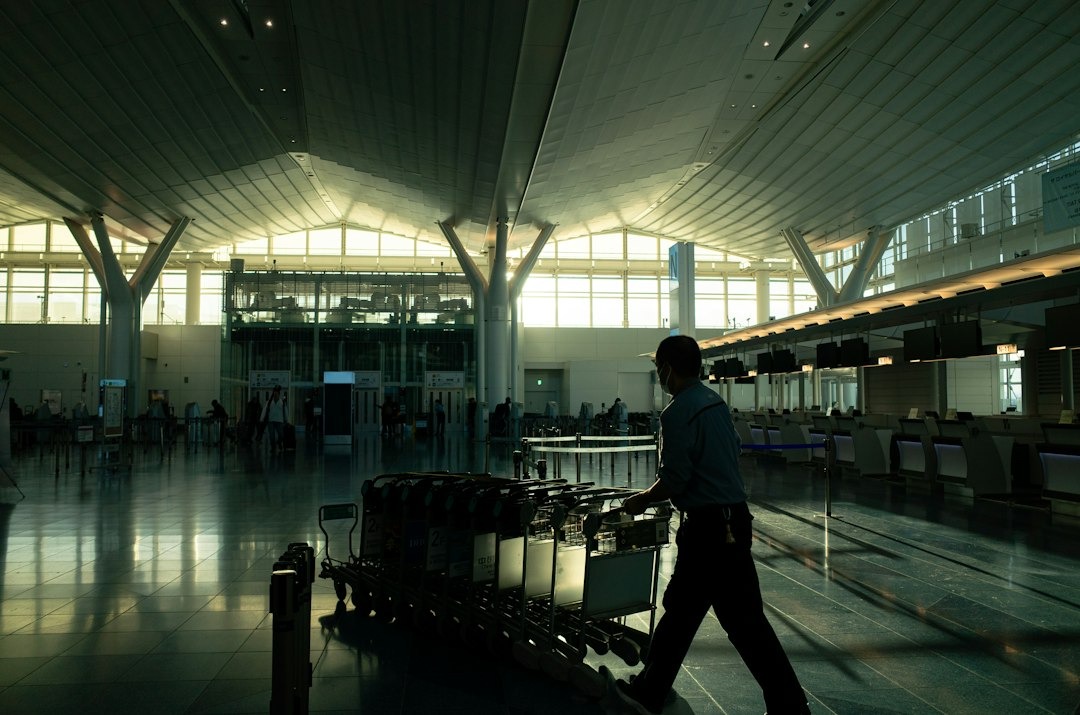

Retirement can make travel feel more possible than it did during the working years. There is often more freedom to travel outside peak seasons, stay longer in one place and avoid rushing through an itinerary because vacation days are limited.
That freedom is valuable, but good retirement travel still takes planning. Health needs, insurance, costs and practical logistics matter more when trips become longer or more frequent. A little preparation can make travel feel less stressful and much easier to enjoy.
Not every retiree wants the same kind of trip.
Some people enjoy cruises because accommodation, meals and transport between destinations are handled in one place. Others prefer road trips, guided tours or spending several weeks in one city.
Think about pace as much as destination. A slower trip with fewer stops can be more enjoyable than trying to see everything in a week. Retirement gives you the option to travel differently, so there is no need to copy the way you traveled when time was limited.
Travel costs usually go beyond flights and hotels.
Food, local transport, baggage fees, insurance, airport transfers and activities can add up quickly. If you are planning several trips each year, it helps to decide how much of your annual retirement budget can comfortably go toward travel.
Travel should also fit alongside your wider financial goals. Someone still building retirement savings may be deciding whether to start a Roth IRA while also setting money aside for future trips. The important thing is to avoid treating travel spending as separate from the rest of your financial life.
A beautiful destination is not always an easy one to navigate.
Look at walkability, public transportation, climate and access to medical care. Cobblestone streets, steep hills and long distances between attractions can make some destinations more tiring than they appear in photos.
It is also useful to check how close your accommodation is to restaurants, pharmacies and transport. Convenience becomes more valuable when you want to conserve energy.
Health planning should happen before you leave home.
Bring enough medication for the entire trip and keep important prescriptions in your carry-on. It is also wise to carry a list of medications, allergies and basic medical information.
For longer international trips, research local healthcare before departure. Know where you would go if you needed urgent care and whether language barriers could make treatment more difficult.
Travel insurance can be particularly important during retirement.
A suitable policy may cover trip cancellation, medical care and emergency evacuation. Coverage can vary widely, so read the exclusions rather than assuming every policy works the same way.
Regular health insurance may not cover treatment overseas. That can leave travelers facing large bills if something goes wrong.
One of the best advantages of retirement travel is that there is often less reason to hurry.
Avoid tight airport connections when possible. If you are taking a cruise or joining a tour, arriving a day early can reduce the stress of delays.
Extra time also helps between sightseeing days. A packed schedule may look efficient, but it can make the trip feel like work.
Comfortable shoes matter more than stylish ones when you are walking all day.
Light layers are useful because temperatures can vary between airports, hotels and outdoor attractions. Keep important documents, medication and a change of clothes in your carry-on in case checked luggage is delayed.
Packing lighter can also make trains, buses and hotel changes easier.
Travel documents should be easy to access but not stored in one place.
Carry your passport, insurance details and emergency contacts securely. Keep copies stored separately, and consider having digital versions available as well.
A trusted family member should also know your basic itinerary, especially for longer trips.
Phones make travel easier, but they can also be lost, damaged or stolen.
Write down important phone numbers and hotel details somewhere offline. A portable charger can be useful on long sightseeing days.
For international trips, check whether your phone plan works abroad before departure. Unexpected roaming charges can become expensive quickly.
Do not rely on one payment method.
Carry more than one card and keep them in separate places. A small amount of local cash can also be useful for taxis, tips or businesses that do not accept cards.
Check foreign transaction fees and ATM charges before traveling. Monitoring your accounts while away can also help you spot unusual activity early.
It can be tempting to fill every day because you may not know when you will return.
That usually makes travel less enjoyable.
Choose the experiences that matter most and leave room for rest. A free afternoon can become one of the best parts of a trip because it gives you time to wander, sit in a café or simply recover.
Accessibility varies widely between hotels, cities and countries.
If stairs, long walking distances or bathroom layouts are a concern, ask specific questions before booking. Do not rely only on a property being described as accessible.
Transportation matters too. Some historic cities are beautiful but difficult to navigate with limited mobility.
Longer trips require some planning at home.
Arrange for mail, pets and property checks if needed. Make sure recurring bills are scheduled and important contacts know how to reach you.
These small tasks reduce the chance that something at home interrupts the trip.
Delays, bad weather and changed plans are part of travel.
Build some flexibility into your schedule instead of planning every hour. Having backup options for transportation or accommodation can make unexpected changes easier to handle.
Confidence does not come from assuming nothing will go wrong. It comes from knowing you can adjust when it does.
Each journey gives you useful information about how you like to travel now.
You may discover that you prefer longer stays, quieter destinations or more rest days. You may also find that certain climates or types of accommodation suit you better.
Use those lessons when planning the next trip.
Travel after retirement can be one of the most rewarding ways to use your time, but it works best when comfort and preparation come first.
A realistic budget, sensible pacing, good insurance and a little research can remove much of the uncertainty. The goal is not to travel farther or faster than anyone else. It is to build trips that fit the way you want to live now.
Counter
101 Countries • 1432 Cities