
On average, around 25 percent of car accidents resulting in death and 50 percent of injuries resulting from road traffic crashes every year happen at U.S. intersections, according to the Federal Highway Administration (FHWA). FHWA identifies right-angle crashes as the most severe crash type at intersections without signals. This type of case happens when a driver fails to stop or yield when they should have.
The different sorts of traffic, like cars turning, cars going straight, pedestrians, and cyclists, all meet at the same place at a junction. This interaction worsens the accident probability at a higher rate compared to a typical section of the road.
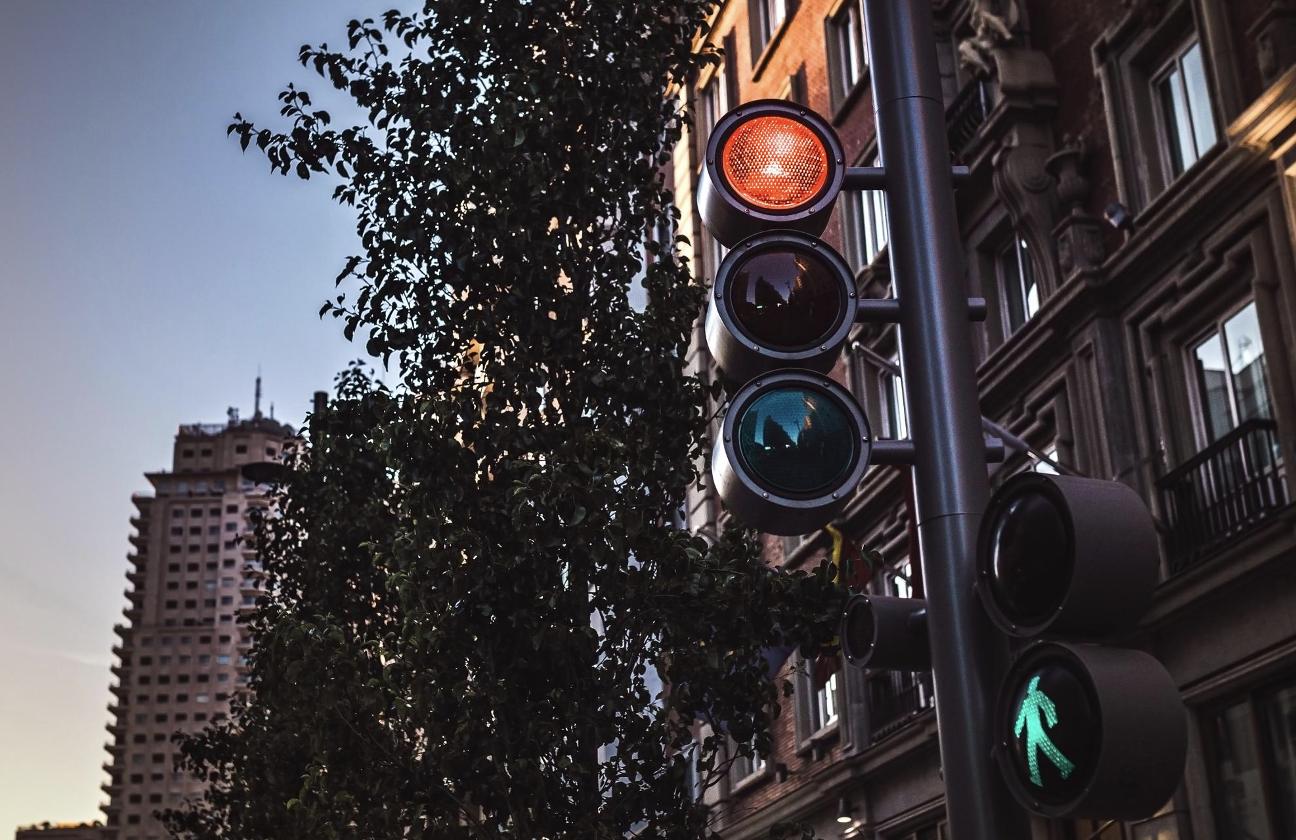
The most dangerous intersections for car accidents are those with faulty traffic lights, poor traffic flow, confusing lane configurations, or poor traffic signage.
Let’s examine the factors that can make intersections more accident-prone areas.
This approach identifies specific risky locations rather than taking anything by reputation, so it brings out those roads and junctions that recur time after time in local accident records. Compiling a list of “dangerous intersections” from general impressions isn’t the same as looking at actual crash frequency. Crash data gives drivers real information about which spots are genuinely risky.
Poor visibility at a junction is a common issue that most drivers face. Whether it’s trees, a poorly placed sign, or the junction’s design, visibility can be hindered by many factors, making it difficult for drivers to see oncoming traffic or pedestrians crossing the junction.
Weather makes a bad sightline worse. Heavy rain or thick fog can significantly impair a driver’s visibility.
Heavy traffic increases stress. High stress levels may cause drivers to misunderstand the message on road signs, ignore stopping protocols, or perform last-minute changing of lanes.
The design of roads is another factor that contributes to road safety. Proper lane markings, adequate lighting, and properly timed signals can help eliminate several last-second decisions that drivers need to make.
Roundabouts, when provided, normally lead to a reduction in the number of potential conflict points compared to the usual four-way intersections since roundabouts do not provide head-on or T-bone crash types of accidents.
Usually, the type of crash closely relates to the behavior that caused it. A motorist who is overspeeding and not vigilant enough can easily cause a rear-end collision. A T-bone crash can occur when a driver violates traffic signs, such as running a stop sign or a red light. An improper lane change will lead to sideswiping.
The consequences will vary depending on the crash and speed of the vehicle involved, but such intersection crashes are now being seen mostly in serious injury accidents.
The Reardon Law Firm, P.C. lists case outcomes that match this severity closely, including a $5 million settlement for a motor vehicle crash that led to paraplegia and a $4 million wrongful death settlement tied to a trucking crash. These cases show how one intersection breakdown can bring injuries that affect one’s future.
Negligence is one way to establish fault in intersection accidents. The process involves proving that the person had a duty to conduct himself responsibly and then identifying a breach of that duty through an identifiable action. There must also be a clear link showing that the breach in duty led to an observable injury and damage.
Information such as police reports, traffic camera footage, vehicle logs, and eyewitness testimonies are usually the most dependable since some evidence, such as the recordings, may not last forever.
This information certainly does not remove the risks involved in passing through an active intersection, but it helps to pinpoint the areas where these risks occur. Crash data on the local level always pinpoints particular places instead of intersections in general. Having the knowledge of where those risks take place is more useful than a list of “dangerous intersections.”
Counter
101 Countries • 1432 Cities