
Exploring Egypt’s Nile River culture reveals the traditions, landscapes, and communities that have shaped the country for thousands of years. The Nile is more than a waterway connecting famous archaeological sites. It remains central to daily life, agriculture, transportation, and cultural identity across Egypt.
For travelers, a journey along the Nile provides a different perspective on the country beyond Cairo’s pyramids and museums. The river connects ancient temples, rural villages, historic cities, and local traditions that continue to influence Egyptian life today.
The Nile River has supported Egyptian civilization for more than 5,000 years by providing water, fertile land, and a reliable transportation route. Ancient settlements developed along its banks because the river created the conditions needed for agriculture and trade.
Today, the Nile continues to shape life throughout Egypt. Farmers rely on the river basin for cultivation, communities gather around riverside areas, and many cultural traditions remain tied to the waterway’s seasonal rhythms. Exploring the Nile allows visitors to understand how geography and history are closely connected in Egypt.
The Nile provides access to some of Egypt’s most significant historical sites, especially between Luxor and Aswan. This region contains temples and monuments that represent different periods of ancient Egyptian civilization.
Luxor is home to major landmarks including Karnak Temple, Luxor Temple, and the Valley of the Kings. Further south, travelers encounter important sites such as the Temple of Edfu, Kom Ombo Temple, and Philae Temple near Aswan.
A Nile journey allows visitors to experience these locations in the same geographic setting that connected ancient Egyptians. The river served as a transportation route for moving goods, people, and materials, making it essential to the civilization that built these monuments.
The villages along the Nile offer insight into everyday Egyptian traditions beyond major tourist attractions. Riverside communities maintain agricultural practices, crafts, and customs shaped by the river environment.
Travelers can watch farmers work on cultivated land, see traditional boats move through the water, and visit local markets where regional foods and handmade products are part of daily life. These interactions provide a closer look at the relationship between Egyptian communities and the river.
The Nile also influences Egyptian cuisine. Many traditional dishes use ingredients connected to local agriculture, including vegetables, grains, and fish from the region. Food experiences along the river help travelers understand how geography shapes cultural traditions.
Travelers can experience the Nile in different ways, from large cruise ships to smaller traditional vessels. Each option provides a different perspective on the landscape and cultural sites along the river.
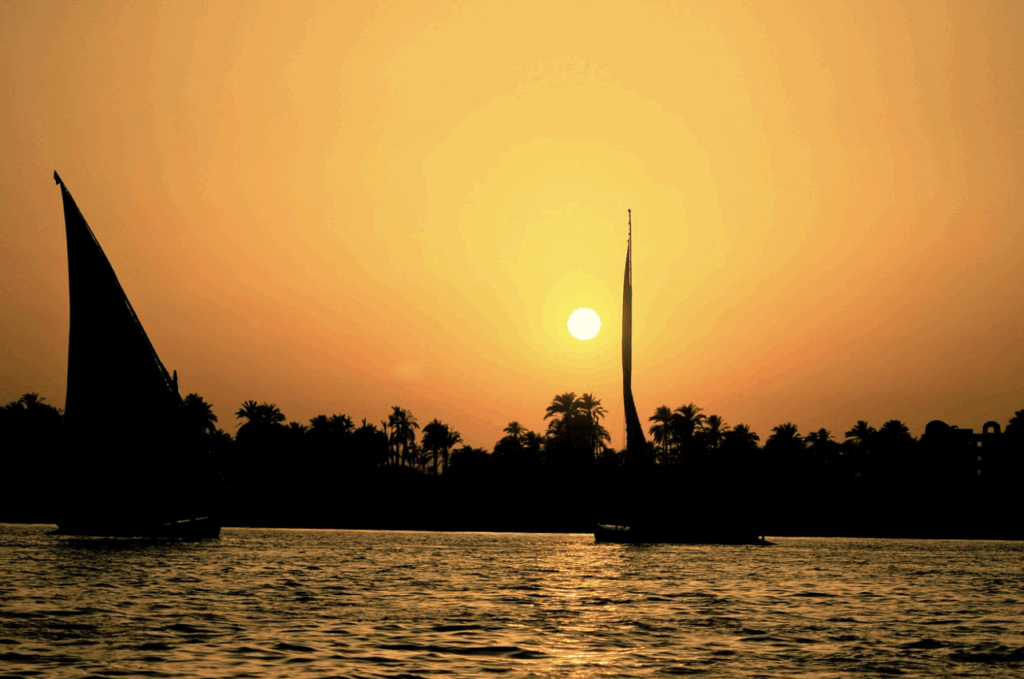
A luxury Dahabiya cruise offers a more intimate way to travel between destinations along the Nile aboard a traditional sailing vessel. These smaller boats offer a slower-paced journey, allowing travelers to spend more time observing riverside scenery, historic locations, and local communities along the route.
For visitors interested in cultural immersion, the journey’s pace can be as important as the destinations themselves. Traveling more slowly creates more opportunities to appreciate the landscapes and daily life along the river.
The Nile influences many aspects of Egyptian culture, including celebrations, craftsmanship, and storytelling. Generations of Egyptians have shared stories connected to the river, from ancient mythology to modern experiences of life along its banks.
Traditional crafts found near the Nile reflect this connection as well. Handmade textiles, pottery, and decorative artwork often incorporate designs and techniques passed down through generations. Visiting local workshops allows travelers to see how these traditions continue in contemporary Egypt.
Music and dance also shape Egypt’s cultural identity. Regional performances often reflect local history and community traditions, creating another way for visitors to connect with the places they explore.
The ideal time to explore the Nile depends on the experience travelers want. Egypt’s cooler months, from October through April, offer comfortable conditions for sightseeing, especially when visiting outdoor archaeological sites.
During this period, travelers can spend more time exploring temples, walking through historic areas, and enjoying river views without the intense summer heat. Early mornings and late afternoons also offer excellent photography opportunities because the softer light highlights the details of ancient structures and landscapes.
Planning around seasonal conditions helps travelers create a more enjoyable experience while exploring Egypt’s cultural landmarks.
A meaningful Nile journey combines famous landmarks with opportunities to understand local life. While temples and monuments represent Egypt’s ancient history, the river itself represents a living connection between past and present.
Travelers who take time to observe the communities, landscapes, and traditions along the Nile gain a broader understanding of Egypt. The river is not simply a route between attractions. It is the foundation of a culture that continues to evolve.
Exploring Egypt’s Nile River culture offers a deeper perspective on one of the world’s oldest civilizations. Ancient monuments, traditional communities, regional food, and river landscapes combine to create an experience that goes beyond sightseeing.
The Nile remains the thread connecting Egypt’s history and modern life. By traveling along the river, visitors discover how the waterway still influences the people, traditions, and places that define the country today.
Counter
101 Countries • 1432 Cities