
Somewhere above the valley floor between Brixen and Bozen, on an October evening, a farmer hangs a bunch of green twigs over a doorway and opens a room that has been shut since last November. Inside there are long wooden tables, a wood stove, a smell of smoke and pressed grapes, and a jug of something cloudy and half-finished.
This is Törggelen, and for roughly two months a year it is the most serious social activity in South Tyrol. It is not a festival. Nobody sells tickets. It is a season, and the locals treat it as one.
The name comes from the Torggl, the heavy wooden press that stood in the cellar of every wine-growing farm in the region, and behind that from the Latin torculum, to twist. When the harvest was in, the farmer called the neighbours down into the press room to taste what the year had produced, and they brought whatever was in the smokehouse. South Tyroleans still call the stretch from the grape harvest to the first snow their fifth season. It runs from early October to late November, according to the regional tourism board, with some farms carrying on into Advent.
What arrives follows a fixed order: soup, then Schlutzkrapfen, half-moon pasta parcels of spinach and curd cheese under browned butter, and Knödel, the bread dumplings that turn up in every second dish here. Then speck cut by hand, and a platter of pork, ribs, sausage and sauerkraut. Then chestnuts, Keschtn in the local German, roasted black over a fire and tipped onto the bare wood. The drinking is the point, though. Suser is grape must caught mid-fermentation, cloudy and still faintly fizzing, and it tastes almost like juice, which is exactly the problem. Nuier, the new wine, is the next stage: rough, young, easy to drink in quantity.
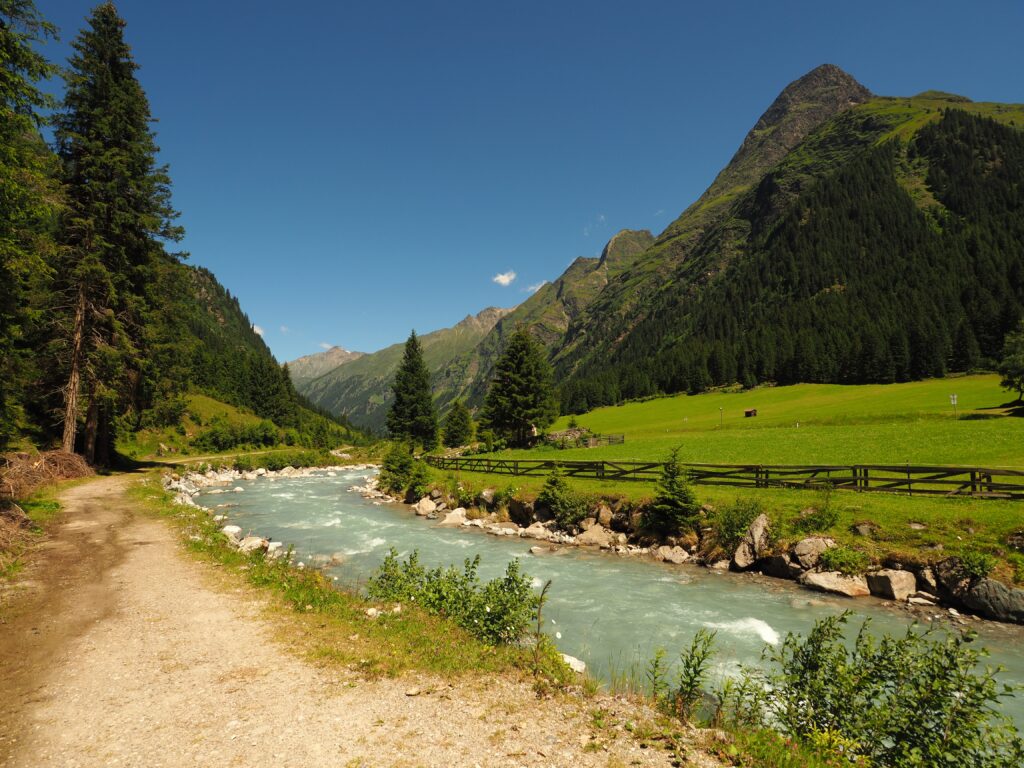
The heartland is the Eisack valley, the Valle Isarco, running south from Brixen towards Bozen. Chestnuts and vines like the same band of terraced land at roughly 700 to 800 metres, high enough to escape the valley damp, low enough to ripen. The Keschtnweg, the chestnut trail, threads that band together over about 90 kilometres in five stages, from the monastery at Neustift down through Feldthurns, Klausen and Barbian to Bozen, then west to Terlan and Vilpian. The other half of the map is the Adige side and the South Tyrolean Wine Road, which runs from Nals through some fifteen wine communities to Salurn: Vernatsch and Lagrein around Bozen, Gewürztraminer from the village that gave it its name.
• Feldthurns, which calls itself the chestnut village and means it
• Klausen, a tight medieval town on the river with farms on the slopes above
• Villanders, terraces, vineyards and a long walk down afterwards
• Barbian, steep even by local standards
• Lajen, with several Törggele farms within reach of each other
• Kaltern and Tramin, for the wine-road version of the evening
These are working farms, and they sit where farms have always sat in an Alpine valley: on the sunny shelf a few hundred metres above the floor, reached by a road built for a tractor and paved later out of politeness. Which makes the driving side of a South Tyrol trip something to settle before the first glass rather than after it. Expect single lanes, blind hairpins, dry-stone walls at wheel height, and a gradient that makes an unfamiliar rental car feel like a bad idea even sober. Village bus services exist, but they thin out sharply in the evening and stop long before the last course arrives. Taxis in the smaller villages are one man with one vehicle, and in late October he is busy.
The arithmetic is unforgiving. Italy’s limit is 0.5 grams per litre, and zero for anyone who has held a licence for under three years. A Törggele evening involves must, young wine, and a schnapps that arrives whether it was ordered or not, spread across three or four hours of eating, and the must in particular is deceptive: it goes down like cordial and is well on its way to being wine. A pre-booked transfer, a hotel shuttle, or a designated driver who genuinely intends to stay on water is the difference between a good night and a very expensive one. Farms are used to the question and will usually call someone for you if you ask when you book.
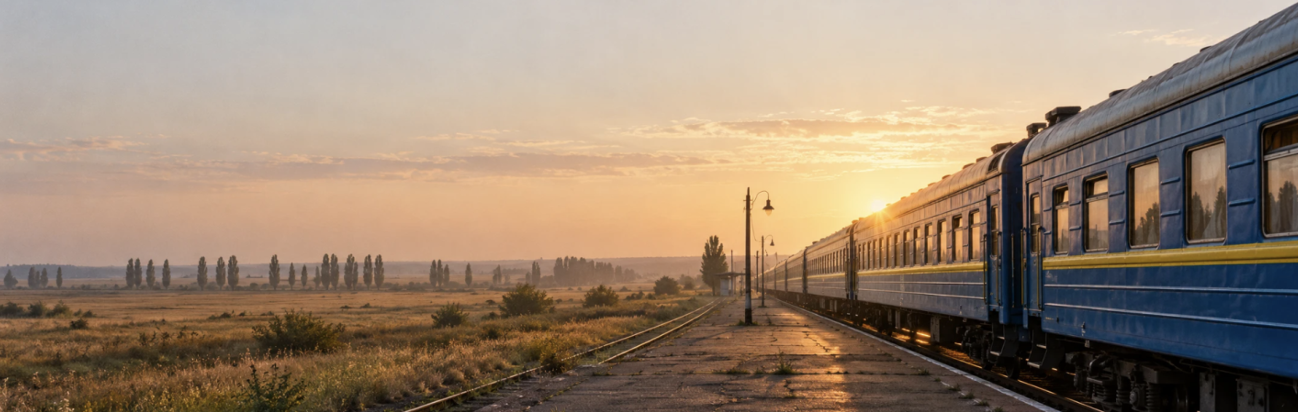
The railway helps more than people expect. The main Brenner line runs down the floor of the Eisack valley with stations at Brixen, Klausen, Waidbruck and Bozen, which puts a traveller within a few kilometres of most of the good farms without a car at any point in the day. From Bozen there is also the cable car up to the Ritten plateau, another chestnut and vine terrace with its own farms. The last leg, from the station to the farm door, is the only part that needs arranging, and it is short enough to be cheap.
The better answer, where it works, is to walk. Plenty of farms sit within an hour on foot of a village with rooms, and much of the Keschtnweg is graded easy, with the added benefit that an afternoon on the trail solves the problem of arriving hungry. That matters more than it sounds when the platter is the size it is. Bring a torch, though. The paths are unlit, they are covered in wet leaves by late October, and the descent in the dark is where people twist ankles.
Book, and book early. This is the single piece of advice worth repeating. Törggelen farms are small, often one room with thirty seats, and weekends in late October fill weeks ahead, particularly around the school holidays and the long weekend at the start of November. Many take groups only, or set a minimum number of people, and plenty close two days a week. A phone call gets a clearer answer than a website, and the answer is often in German first.
Go on a weekday if the choice exists. Saturday evening at a well-known farm is loud and communal in a way some people love and others find exhausting. A Tuesday in mid-November is quieter, colder, and closer to what the custom actually was, which is a farmer feeding his neighbours. October gives the chestnut harvest and the best light on the terraces, when the vine leaves on the pergolas turn and the whole slope goes copper. November gives fog sitting in the valley with sun above it, and a menu that has shifted towards the heavier end.
Two things reward a little planning. The first Saturday in October is the season’s formal opening, and a good number of farms mark it with cellar tours and tastings, which is a fine introduction but a poor night for a quiet table. The second is the walking: check the stage profiles on the Keschtnweg before committing, because a route that reads as easy on paper still drops several hundred metres in an afternoon, and the descent always takes longer than the map suggests.
Dress for a walk and an unheated cellar rather than for a restaurant, and bring cash, since some farms still prefer it. Do not expect a menu or a choice; the food comes in order until it stops, and refusing a course is possible but requires conviction. Look for the twigs over the door, which is still how a farm signals that its press room is open. And do not plan anything demanding for the following morning. The new wine is gentler going down than it is the next day, a lesson every visitor to the Eisack valley learns exactly once.
A Final Taste of South Tyrol
Törggelen is less a single event than a seasonal way of experiencing South Tyrol: walking through chestnut-covered slopes, sitting in a farmhouse cellar, eating a long succession of traditional dishes, and tasting the year’s young wine. The ritual is rooted in the landscape and in the relationship between farms, food, wine and community.
For visitors, the best experience comes with a little planning. Choose a farm that can be reached safely, book ahead—especially in October—and arrange your journey home before the first glass of Suser arrives. Then slow down and let the evening unfold as it is meant to: around a wooden table, with roasted chestnuts on the fire and the mountains outside growing dark.
Counter
101 Countries • 1432 Cities