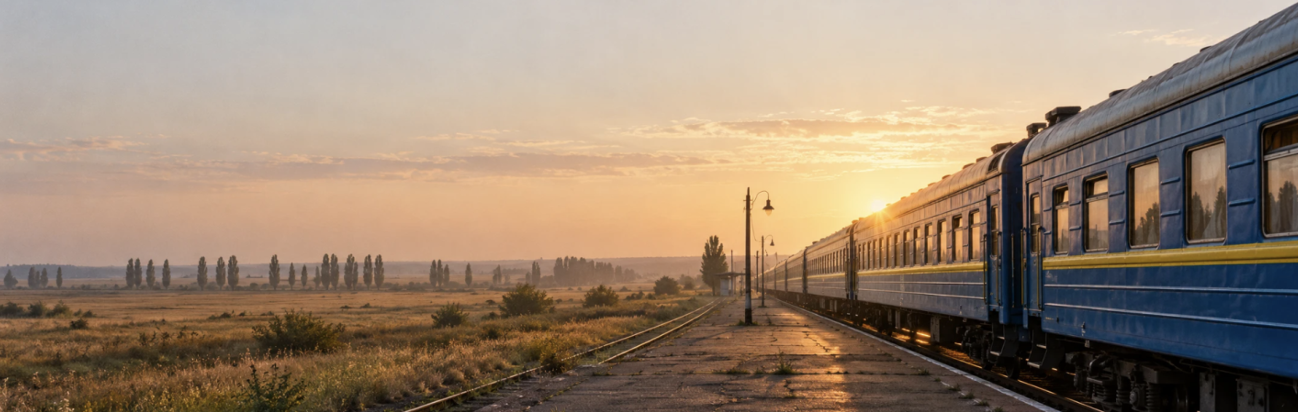

Few experiences in Sri Lanka get quite as much attention as the hill country train. Winding up from Kandy through tea estates, cloud forest and mountain villages to Ella, it has a reputation as one of the most scenic rail journeys in the world, and on a clear day, with mist lifting off a valley of tea below the window, it’s easy to see why.
It’s worth keeping in perspective, though. As word has spread, the train has become far busier than it once was, and many who rode it years ago feel it has lost some of its charm. The scenery is still lovely, but the experience can be oversold, and it isn’t essential to a wonderful luxury trip. It’s still worth doing, but only if you do it the right way, and for most people that means a short stretch rather than the whole line.
The line was built by the British in the second half of the 19th century, originally to carry coffee down to Colombo. When disease wiped out the coffee plantations in the 1870s, the estates turned to tea, and the railway pushed further into the hills to serve them. It remains a working railway, used every day by tea pickers, schoolchildren and families travelling between towns.
Its best-known feats of engineering are near Ella: the Nine Arch Bridge, a stone viaduct curving across a jungle-clad valley, and the loop at Demodara, where the line curls around a hillside and passes beneath itself.
As the train leaves Kandy, paddy fields and palm groves give way to rolling hills covered in neat rows of tea. Higher up, the air turns cool, waterfalls run down rock faces beside the track, and mist can roll in and out within minutes. Near Pattipola, one of the highest stations on the line at close to 1,900 metres, the views open out across the mountains before the line descends towards Ella.
The full journey from Kandy to Ella takes six or seven hours, and often longer, which is more than most travellers need. A better approach is to ride a shorter section and let a private chauffeur-guide handle the rest.
Those who know the line well often rate the section around Haputale and on towards Badulla most highly. Around Haputale and Idalgashinna, the track runs along the edge of the ridge, with views dropping away across the lowlands. Beyond Ella, where most visitors get off, the line continues past the Nine Arch Bridge and the Demodara loop to Badulla, and the carriages are usually far quieter. If you only ride one section, make it this one.
Riding in the reverse direction, from Ella back up into the tea country, is often a good option too, as most visitors travel towards Ella. An hour or so on board, with your driver meeting you at the next station, gives you the views and the atmosphere without committing a whole day.
Reserved seats are in high demand and can be very hard to secure, particularly in peak season, and it isn’t always possible to choose which side of the train you sit on. On the busiest services, passengers stand in the aisles and doorways. You’ll see plenty of people leaning or hanging out of the open doors for photos, but it’s best not to join them. Trackside poles, vegetation and tunnels pass very close to the carriages, and people have been seriously injured doing it.
Trains often run late, sometimes by an hour or more, and mist and cloud can hide the scenery almost entirely, particularly in the afternoon. You’ll still get the local atmosphere, with vendors selling spiced peanuts, crispy vadai and tea, but it’s rarely the serene, empty carriage that photos might suggest.
This is a working railway, not a tourist train, so it pays to be considerate and discreet: keep bags out of the aisles, offer your seat to older passengers or parents with young children, and always ask before photographing people, including the tea pickers you’ll see on the estates.
If tickets aren’t available, or you’d rather avoid the crowds, the drive through the hill country is a good alternative in its own right, with the freedom to stop at waterfalls, viewpoints and roadside tea stalls whenever you like.
It’s well worth pausing in the hills for a night or two. Some of Sri Lanka’s most beautiful luxury stays are here, from the exclusive restored planters’ bungalows of Ceylon Tea Trails around Hatton to Thotalagala, a grand Edwardian house near Haputale with views across Lipton’s Seat. A stay turns the journey into two shorter, more relaxed days, with time for a morning walk through the estates, a visit to a working tea factory, or an afternoon on the veranda watching the clouds drift across the hills.
The hill country is beautiful, but it’s also one of the poorest parts of Sri Lanka. Many families on the tea estates, descended from workers brought from southern India in the colonial era, still live on low wages in basic housing. Their first language is Tamil rather than Sinhala, so a simple “vanakkam” (hello) is always appreciated, and a guide who speaks Tamil can open up conversations that would otherwise be impossible.
Staying a few nights rather than passing straight through, eating in local restaurants, buying tea from estates and small producers, and exploring with guides from the area all keep more money in the community. One thing to avoid is handing out money, sweets or small gifts, particularly to children, as it can encourage begging and draw children away from school. If you’d like to give something back, donate instead to a charity such as the Tea Leaf Trust, which supports education and training for young people from tea estate communities. Some travel companies, including Red Dot, donate to it with every booking.
The Pekoe Trail is one of the best ways to spend time, and money, in these communities. The long-distance walking route was created partly to bring the benefits of tourism to the estate villages along its path, and walking a stage with a local guide means stopping for tea in small villages and seeing daily life on the estates up close.
Ella is where most travellers leave the train, and the walk to the Nine Arch Bridge, the views from Little Adam’s Peak and Ravana Falls are all nearby. It can get very busy in high season, so it’s often better to explore early in the morning or stay somewhere quieter. Haputale, further along the ridge, has equally sweeping views with far fewer visitors.
The clearest views generally come in the drier months, roughly from January to April, which is also the busiest time on the trains. Mornings tend to be brighter, with cloud often building in the afternoon, so an earlier train usually gives you the best chance of good views.
The hill country train isn’t the hidden secret it once was, and it’s best approached with realistic expectations. A short, well-chosen stretch with a driver waiting at the other end is still a pleasant way to see Sri Lanka’s hill country, but just as rewarding is taking the time to stay in the hills, meet the people who live there and explore the estates on foot. Red Dot, with teams in the UK and Colombo and more than 20 years’ experience on the island, builds it into private journeys across Sri Lanka only where it makes sense, choosing the right stretch or the road instead, as part of a bespoke, tailor-made itinerary with one of its handpicked chauffeur-guides on hand throughout.
Counter
101 Countries • 1432 Cities