

A rainy road can turn an easy drive into a stressful trip. Water covers the pavement, other drivers slow down, and it becomes harder to stop when traffic suddenly changes. For travelers heading to a new city, driving through mountain roads, or taking a long highway trip, good tire traction can make a big difference.
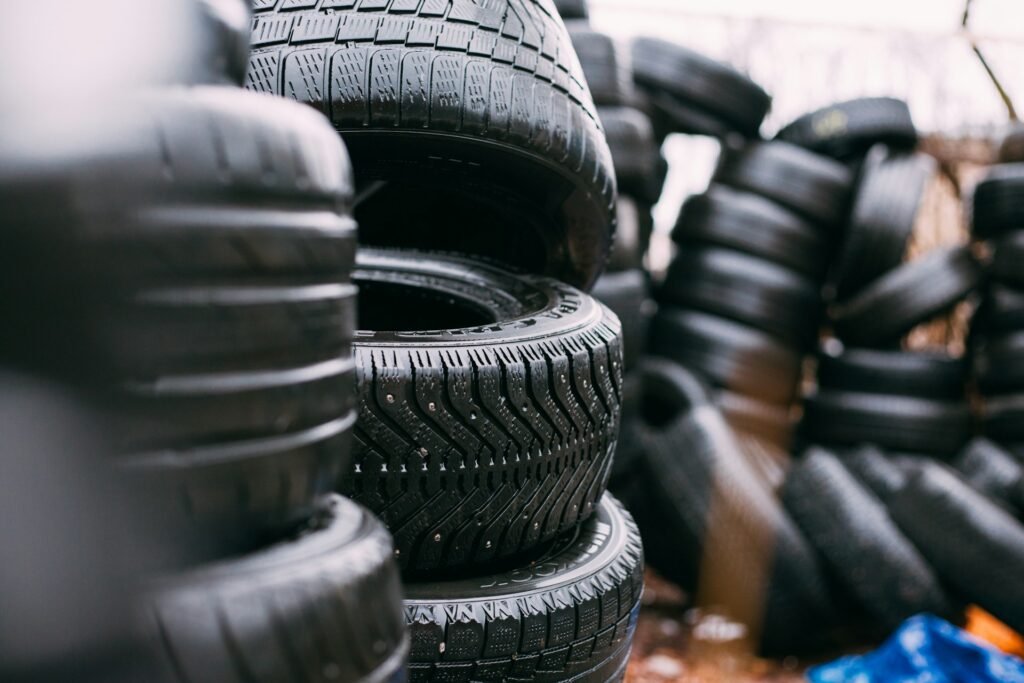
Your tires are the only parts of your vehicle that touch the road. Their condition affects how well you steer, brake, and stay in control when the pavement is wet. Knowing what to check before a trip can help you avoid trouble and feel more prepared when the weather changes.
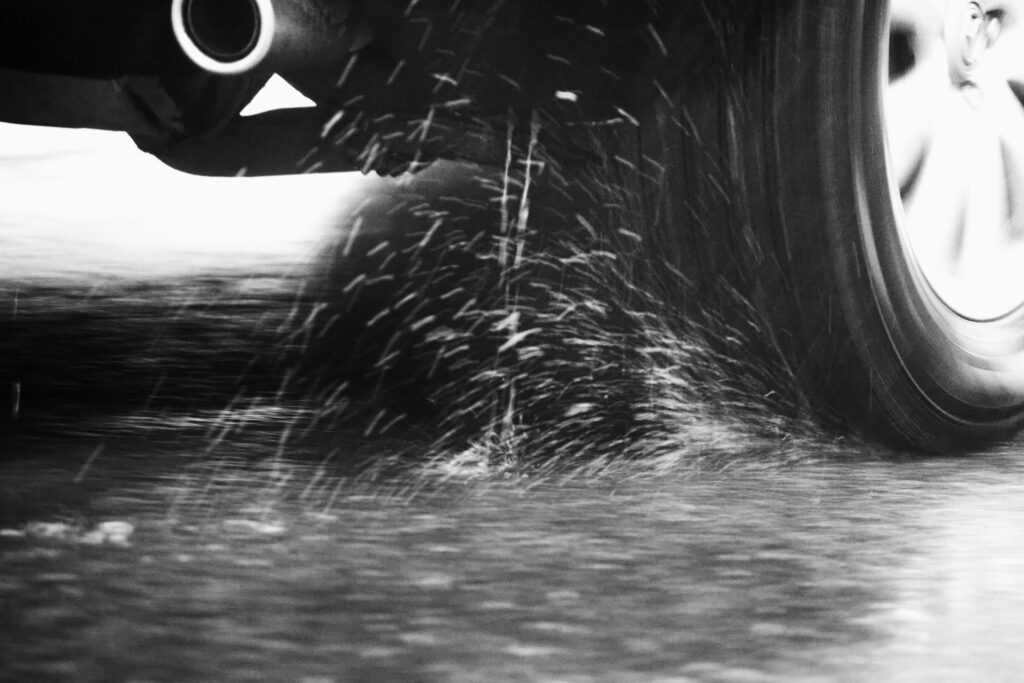
When rain falls, water creates a layer between your tires and the road. Tire tread helps move that water away, allowing the rubber to keep contact with the pavement. If the tires cannot clear enough water, they may lose grip.
This can lead to hydroplaning, which happens when a tire rides on top of water instead of staying in firm contact with the road. When this occurs, steering and braking become much harder.
The risk is serious. The Federal Highway Administration estimates that rain causes about 574,000 crashes each year in the United States, based on its 2019 to 2023 average. Wet roads are common, but that does not make them safe to ignore.
Good tire traction starts with proper maintenance, but your choice of tires and driving habits also play a part. Whether you’re preparing for a long road trip or driving through daily rain, there are several ways to reduce the risk of losing control on wet roads. Here are five things travelers should check and do to improve safety in rainy conditions.
Tread is the pattern of grooves and channels around a tire. These spaces help carry water away from the contact area between the tire and the road. As the tread wears down, the tire has less ability to clear water, which can reduce grip in wet conditions.
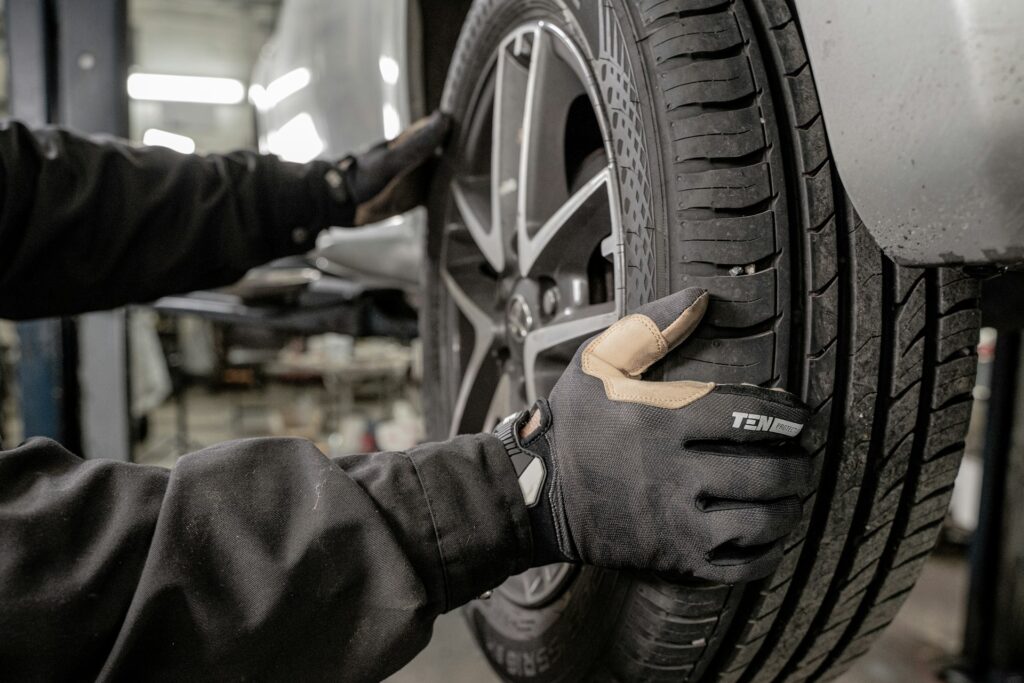
Before a road trip, inspect all four tires for worn tread, cracks, bulges, or uneven wear. A tire that looks fine from one angle may be more worn on its inner or outer edge. If you are unsure, ask a tire professional to check it.
Many tires have built-in tread wear indicators that show when the tread has reached its legal limit. Do not wait until the tires look completely smooth before replacing them. Travelers who often drive in heavy rain should pay close attention to tread depth because wet roads leave less room for error.
Tire pressure affects how much of the tire touches the road and how evenly the load is spread. Underinflated tires can affect handling and reduce wet traction. Overinflated tires may also affect grip and ride comfort.
Check pressure when the tires are cold, ideally before starting a long drive. Use the pressure listed on the vehicle’s door placard or in its owner’s manual, rather than the maximum pressure printed on the tire sidewall.
Remember that a fully loaded car may need extra attention before a trip. Luggage, camping gear, and passengers add weight, so make sure your tires are suitable for the load. A quick pressure check can help prevent problems before you reach a wet highway.
Tread design is one factor to consider for wet roads. Many tires use wide grooves to move water away, while smaller cuts in the tread, called sipes, provide extra biting edges that can help maintain grip. The rubber compound also affects how a tire performs in different temperatures and road conditions.
This is one reason some drivers consider GT Radial tires, as selected models feature full-depth sipes and grooves designed to move water away from the tire’s contact area. These features can support traction in wet conditions, although performance still depends on the specific tire, its condition, and how the vehicle is driven. Before choosing a set, check that the model suits your vehicle and the weather you regularly encounter.
Even good tires cannot remove every risk. Speed, road surface, water depth, and driver behavior all affect traction. When rain begins, reduce your speed and leave more space between your vehicle and the one ahead.
Avoid sudden braking, sharp turns, and quick lane changes. Smooth movements give your tires a better chance of maintaining grip. Use your headlights when visibility is poor, and keep your windshield and wiper blades in good condition.
If the vehicle begins to hydroplane, ease off the accelerator and steer gently in the direction you want to go. Avoid slamming on the brakes or making a sudden turn. If rain becomes so heavy that you cannot see clearly, pull over somewhere safe and wait for conditions to improve.
A tire check should not end when you leave home. On a long journey, stop now and then to look for visible damage, unusual wear, or objects stuck in the tread. If you notice vibration, pulling to one side, or a sudden change in handling, find a safe place to stop and investigate.
Also, avoid driving through deep standing water. You may not know how deep it is or whether the road beneath it has been damaged. Even tires in good condition cannot make a flooded road safe. Before traveling through areas with frequent rain, check the weather forecast and plan a route that avoids known flood risks where possible. A little extra planning can save time and help prevent a dangerous situation.
Rain can change road conditions quickly, so tire care should be part of every travel plan. Check tread depth, tire pressure, and visible damage before leaving, especially if you expect hours of driving in wet weather.
Choose tires that suit your vehicle and the conditions you face most often, and remember to adjust your speed when the pavement is slippery. Good tires help, but safe driving habits are just as important.
Counter
101 Countries • 1432 Cities