

When you find pests in your kitchen, you might assume they are coming from somewhere inside the house. You buy a pest-control spray, treat the area, clean the counters, and hope the problem is resolved. A few weeks later, you notice the same pests, and this time they seem to be more.
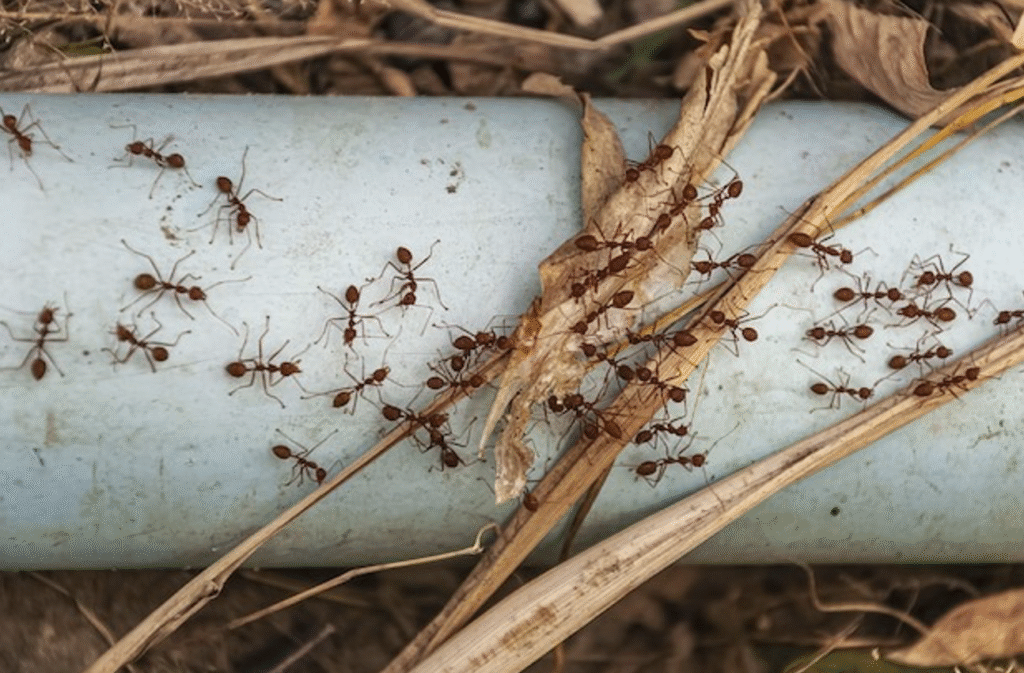
Proper pest control should address both indoor and outdoor areas. Treating only the inside of your home may leave the underlying source or nearby nesting areas unaddressed, allowing pests to return. They can enter through the yard, hide in gaps in the walls, or find shelter in garages and storage areas.
That’s why professional pest control involves more than treating the rooms where pests appear. By inspecting both indoors and outdoors, experts can identify where pests are coming from, where pests are entering, what is attracting them, and which treatments are appropriate.
Here’s how pest control services address indoor and outdoor problems to help keep pests away for longer.
A mouse behind the fridge and an ant trail along the patio don’t call for the same fix. Indoor and outdoor infestations often require different approaches. Expert pest control services start by identifying which pest is actually there and where it hides. They do the same indoors, inspecting areas where pests are likely to find food or shelter.
Once they know what types of pests they are dealing with, they apply targeted treatments. Customized treatment focuses on areas with pest problems, avoiding unnecessary treatment of every surface. Some products intended for outdoor use may not be suitable for indoor use; technicians understand this. They use eco-friendly pest management systems and products that are safe in homes with children and pets.
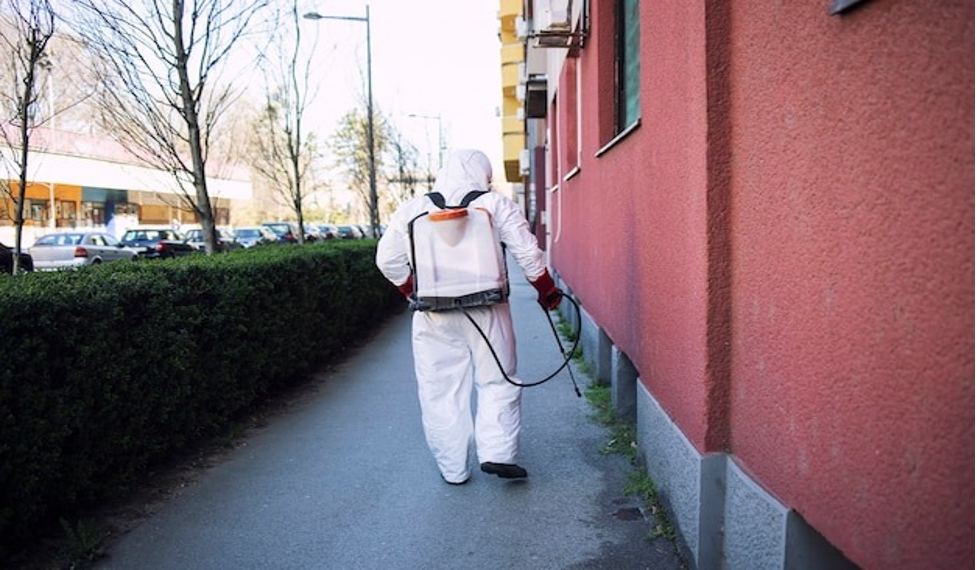
Treating the pests already present is only halfway to treating the problem. If the gaps around the building remain open, they can still enter, and the problem may continue.
They inspect cracks in the foundation, damaged windows or doors, or any other openings where pests can pass. They also check and seal tiny openings inside spaces like beneath sinks, behind kitchen cabinets, and around pipes.
Mice, cockroaches, or ants only need tiny spaces to get in. They can squeeze through surprisingly small openings, so properly sealing them with a suitable material helps prevent further entry.
Not every pest can be kept out with the same method. Technicians use suitable materials and methods to recommend repairs that address the pests involved properly.
Water leaks and damp areas can make a property more attractive to certain pests like cockroaches and ants. Many pests thrive where they can find moisture and shelter.
Inside, technicians look for the source of moisture, such as dripping pipes beneath sinks, condensation around appliances, or damp cupboards. Outside, they inspect for blocked gutters, leaking outdoor taps, or stagnant water near the foundation. Fixing these problems first eliminates conditions that allow pests to thrive and ensures that pest treatments are effective.
While the pest control company may not carry out plumbing or drainage repairs itself, it can identify concerns during an inspection. They partner with plumbers and other qualified professionals and can help you arrange the necessary work.
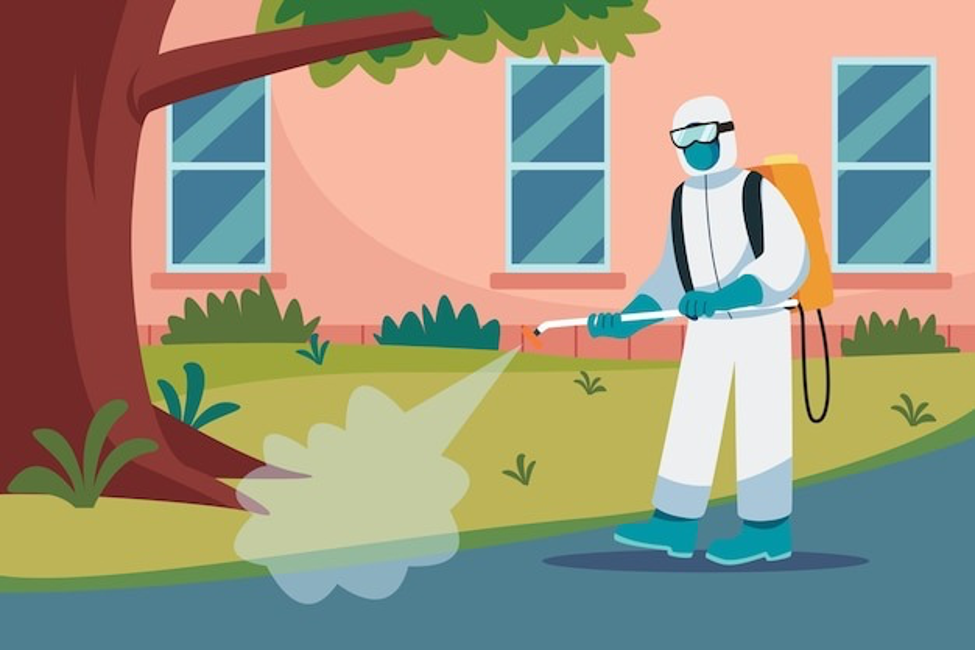
Seeing a few pests around your home might mislead you into thinking that you are dealing with a small problem. Ants, for example, may be part of a colony nesting outside or inside a wall.
Instead of treating only the trail, like most DIYs do, technicians use suitable techniques to trace them back to their source for proper extermination. They can use an ant bait that worker ants carry back to the colony, which can help get rid of ants that remain hidden in the nest. Other pests require different methods. Rodents, bees, or wasps all need targeted treatment by a trained professional.
Simply removing a mouse caught in a trap doesn’t really prevent others from entering through the same gap. But finding the source helps technicians decide which treatment is appropriate to eliminate the pests and keep them away from your property.
Pest activity can change with the weather, local conditions, and the time of year. So, a treatment that addresses one problem today might not cover every pest that appears later.
Regular inspections give technicians a chance to check for new activity, review previous problem areas, and adjust their approach when necessary. Visit schedules depend on the property and the level of pest activity. Some homes may only need quarterly inspections, while others may require more frequent visits if problems persist or the risk is higher.
They also keep records of each inspection and treatment. That makes it easier for them to spot patterns and recurring problems. If pests return, the technician can review the previous treatment and identify problems. It could be an overlooked entry point, a new infestation, or something that continues to attract pests to the property.
Indoor and outdoor pest problems are often connected. Pests need food, water, and shelter, and they can find these both inside and outside your home. You may not notice them at first, but as their numbers grow or outdoor conditions change, they may start moving indoors in search of food and shelter.
Treating only the areas where you spot pests gives those hiding elsewhere more time to multiply, making the problem harder to control. A thorough pest control service checks both indoor and outdoor areas, uses treatments suited to the pest, and addresses conditions that attract them. And through regular inspections and good habits, you reduce the chances of pests returning.
Counter
101 Countries • 1432 Cities