

Texas is home to many lakes, rivers, and coastal areas that attract visitors for boating, fishing, and other water activities. Popular destinations such as Lake Travis, Lake Texoma, and the Gulf Coast offer opportunities for recreational boating throughout the year. Tourists planning to rent a boat should understand the basic safety rules and operating requirements before getting on the water.
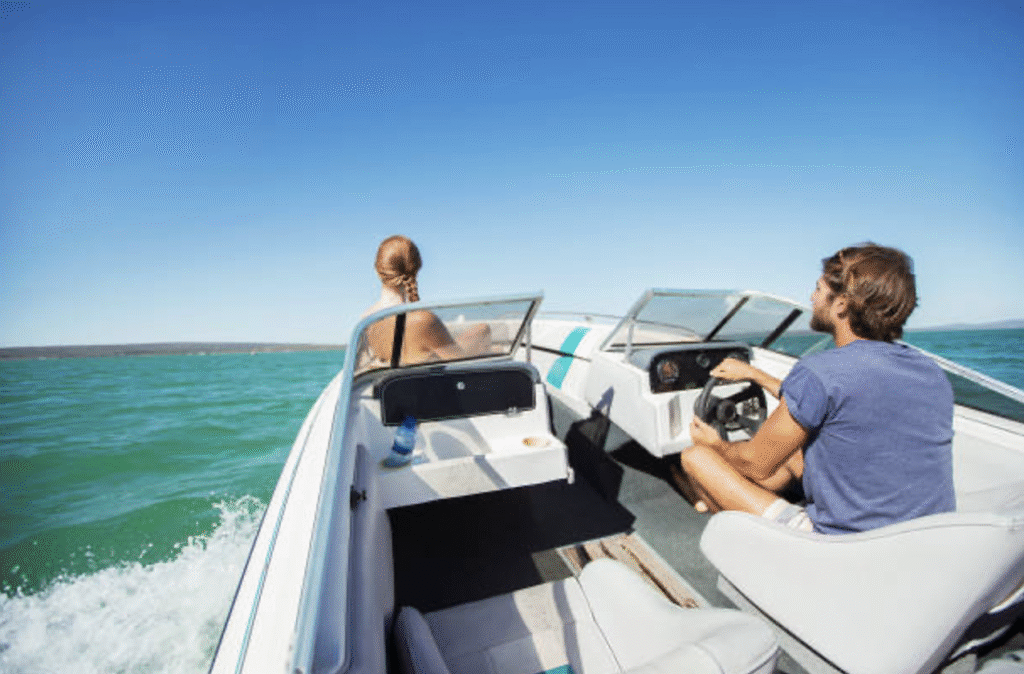
Tourists renting boats in Texas may need a boating safety education certificate, depending on their age, the type of boat, and when they were born. Renting a boat does not automatically exempt someone from Texas boating requirements. Visitors should check the rules before heading onto the water because rental companies may also impose their own age limits, safety requirements, and operating restrictions.
Before booking a boat, travelers should review the Texas boating license requirements to understand what applies to their situation. Texas generally uses a boater education certificate rather than a traditional operator’s license. Whether a tourist needs that certificate depends on state law and the specific circumstances of the rental.
The Texas Parks and Wildlife Department administers boating safety education requirements. Under Texas law, a person born on or after September 1, 1993, generally must complete an approved boater education course or meet an applicable exemption to operate certain motorboats with more than 15 horsepower, windblown vessels longer than 14 feet, and personal watercraft.
The rules may apply to tourists as well as Texas residents. Being from another state or country does not automatically remove the obligation to comply with Texas boating laws while operating a boat in Texas waters.
Visitors should confirm that their boating education credentials meet Texas requirements. A certificate issued elsewhere may be accepted in certain circumstances, but travelers should verify recognition before relying on it. Rental operators can explain their documentation policies, although their approval does not replace legal compliance.
Boat rental companies often provide an orientation covering steering, navigation, emergency equipment, and local hazards. Some may require operators to meet minimum age requirements or demonstrate relevant experience before taking a vessel out.
These company policies can be stricter than the minimum state requirements. A tourist who satisfies the legal education rules may still be unable to rent a particular boat if the company has additional restrictions.
Before signing a rental agreement, ask whether the rental includes a safety briefing, which documents must be presented, and whether the operator must have previous boating experience. Confirm the permitted operating area, return time, passenger capacity, and procedures for reporting a mechanical problem.
Boating regulations cover more than education certificates. Operators must follow applicable navigation rules, carry required safety equipment, and comply with restrictions intended to prevent collisions and injuries.
Several precautions can make a rental trip safer:
Operating a boat without meeting applicable education requirements or violating other boating laws may result in penalties. If unsafe operation causes an accident, the operator may also face civil liability for injuries or property damage.
Tourists involved in a boating accident should seek medical assistance when needed, report the incident as required, and preserve relevant information, including rental documents, photographs, and witness details. The rental agreement and insurance arrangements may affect how responsibility and losses are handled.
Because the applicable rules can depend on the vessel, operator, and circumstances, visitors should confirm current requirements with Texas Parks and Wildlife before renting. Taking a few minutes to verify eligibility can help prevent legal problems and make the trip safer.
Counter
101 Countries • 1432 Cities