
Are you planning a road trip or camping adventure? Then, keeping your food and drinks cold is a must. That’s where a portable fridge comes in handy. Portable fridges are small, travel-friendly cooling units that keep your items fresh on the go.

But picking the right one can feel confusing with so many options available. Should you get a cooler or a compressor fridge? How much storage do you need? What about power usage?
Don’t worry! This guide will walk you through it all. Whether heading out for a weekend or a week-long trip, this post will help you choose the right portable fridge that suits your travel needs and keeps everything cool.
There are three primary kinds of portable fridges: compressor fridges, thermoelectric fridges, and absorption fridges. They all work differently and have different uses.
Thermoelectric fridges are cheap and light. They keep things chilly, but they don’t truly freeze them. They’re suitable for short journeys or keeping drinks cold for a few hours. However, they struggle in hot weather.
Absorption fridges use heat to cool things down. They don’t make noise and can run on gas, which is helpful in regions that aren’t connected to the grid. But they take longer to cool and may not perform as well in hot weather.
The most potent and reliable fridges are compressor fridges. They work like your fridge at home and can even freeze food. No matter how hot it is outside, they cool down rapidly and stay at a set temperature. They cost more but are ideal for long journeys or serious campers.
So, pick based on how long your vacations will be and how you will get electricity.
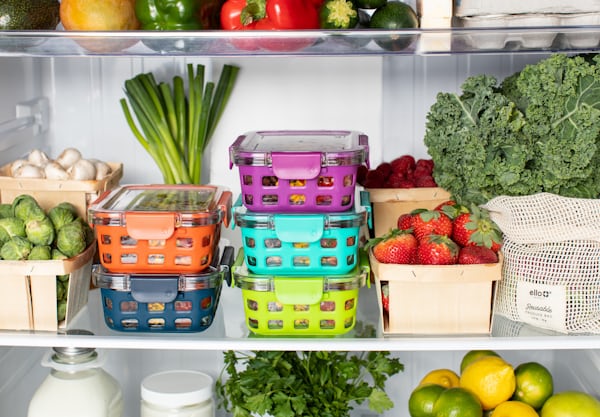
When it comes to a portable fridge, size matters; you need a refrigerator that fits in your car or RV and has enough space for all the food and drinks you need for your vacation.
There are several sizes of fridges, and they are commonly measured in liters. Small ones (15–30 liters) are great for traveling alone or for a day vacation. Medium ones (30–50 liters) suit couples or quick trips. Big fridges (50 liters or more) are better for long camping or family vacations.
Think about what you want to keep. Do you need space for complete meals, meat, snacks, and drinks? Also, consider the shape of the inside. Some refrigerators include baskets or separators that help you organize your items.
Remember that a bigger fridge will take up more room and require more energy. But if your fridge is too small, it might not be enjoyable, and you’ll have to stop more often to get supplies.
Before you buy, consider the size of your car. Also, organize your meals beforehand so you know how much space you need. Getting the correct size helps you stay organized, avoid food waste, and travel more comfortably.
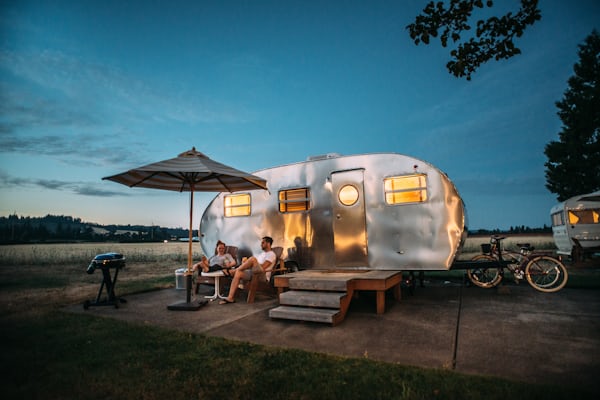
A portable fridge is only helpful if it can be powered. That’s why it’s crucial to verify the power supply.
Most refrigerators work on 12V DC (from a car battery), 240V AC (from a home or camping), or gas (LPG). Some models can switch between several forms of electricity, which is useful when traveling. For instance, you can plug into your car while driving and switch to gas or mains electricity at camp.
Power efficiency is also essential. A fridge that uses too much power will quickly drain your automobile battery. Most compressor fridges work exceptionally well; some even include low-voltage protection that prevents battery overcharge.
You should also look at the insulation. Well-insulated refrigerators stay cooler longer, which saves energy. Some also include ECO modes or digital controls that help you use less energy.
If you’re going off the grid, connect your fridge to a solar panel or a portable power station. This lets you do what you want and feel safe.
Not all portable fridges give you the same level of control. Some let you set the exact temperature, while others only provide basic cooling.
A compressor fridge can be set to the desired temperature. This is perfect for keeping ice cream, meat, or dairy fresh. Some models may also switch between freezer and fridge mode.
Check out fridges with digital screens. These make it easy to monitor and regulate the temperature. If you have Bluetooth or Wi-Fi control, you can also check the temperature on your phone. It’s unnecessary, but it’s a helpful feature for people who enjoy technology.
Consider extra features like lighting inside, removable baskets, or USB ports for charging. These small things help you stay organized and comfortable on your journey.
Also, see if the fridge has a cover or handles for carrying. Covers keep your fridge clean and protect it from dirt and damage.

Your fridge must handle bumpy rides, hard handling, and all kinds of weather. Because of this, it’s crucial to pick one that will last.
If you plan to camp or go off-road, look for a fridge with a sturdy outer shell. Plastic bodies are lighter, but metal bodies last longer. Also, look at the hinges, handles, and locks. If they are poorly manufactured, they are the first things to break.
A good seal on the lid is crucial. It retains the chilly air inside and saves energy. Some lids can be removed or turned around, making loading and unloading easier in small areas.
If you camp in dusty or wet places, you may want a fridge with dust and water resistance (often listed as an IP rating). Also, a refrigerator with sturdy corner guards or rubber feet will stay stable and last longer.
Read user reviews to see how the fridge holds up in the long run. A model that sounds great on paper might not survive real-world use.
Choosing the right portable fridge for your next trip doesn’t have to be hard. Check that it fits, can run on your power, and has useful features. Don’t forget to see how long it will last, because the road can be challenging. An excellent fridge keeps your food secure, your drinks cool, and your journey stress-free. So, take your time, do your homework, and choose a fridge that will survive through many trips. Trust us, your future self will thank you for it.
Counter
101 Countries • 1432 Cities