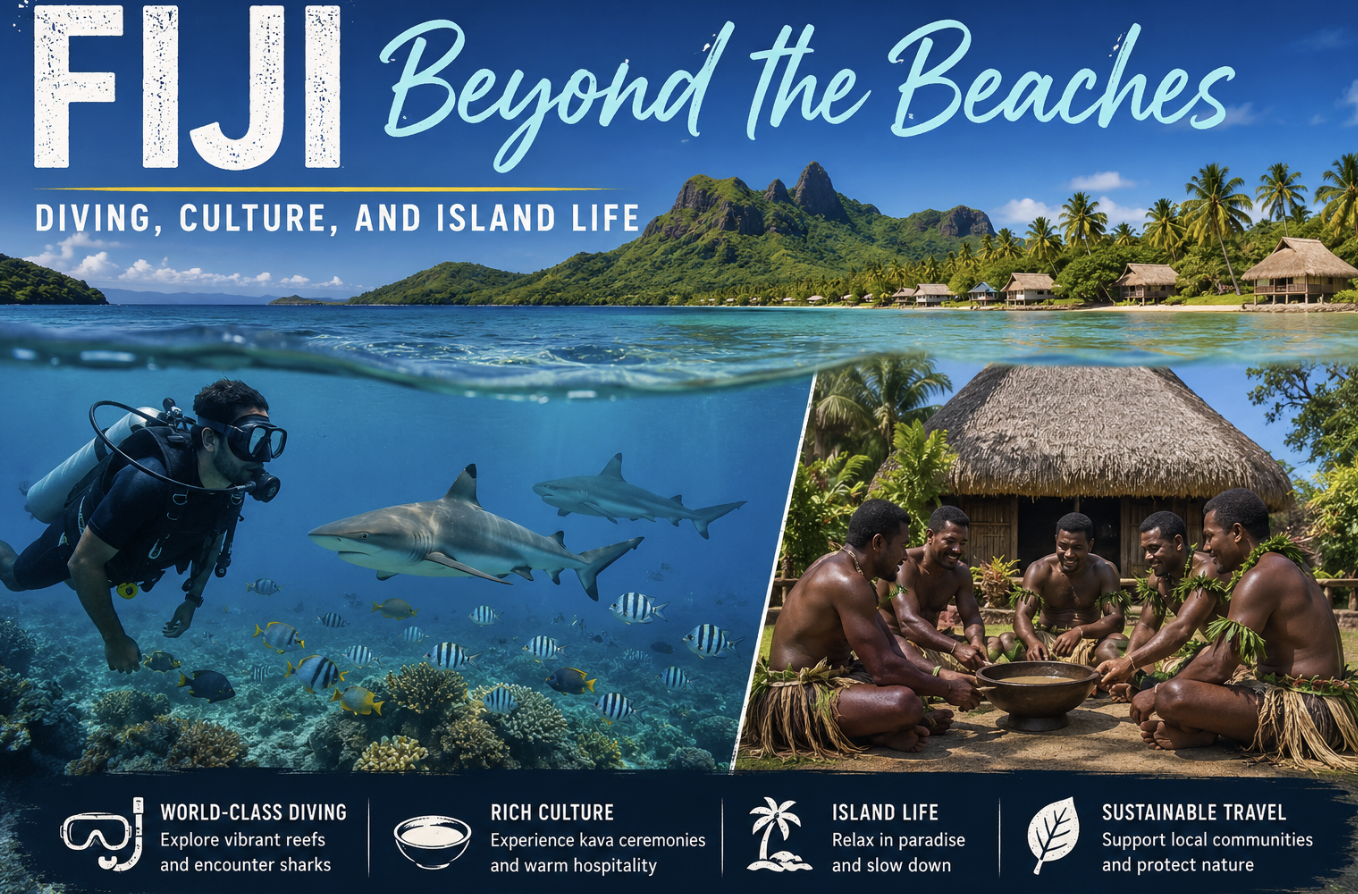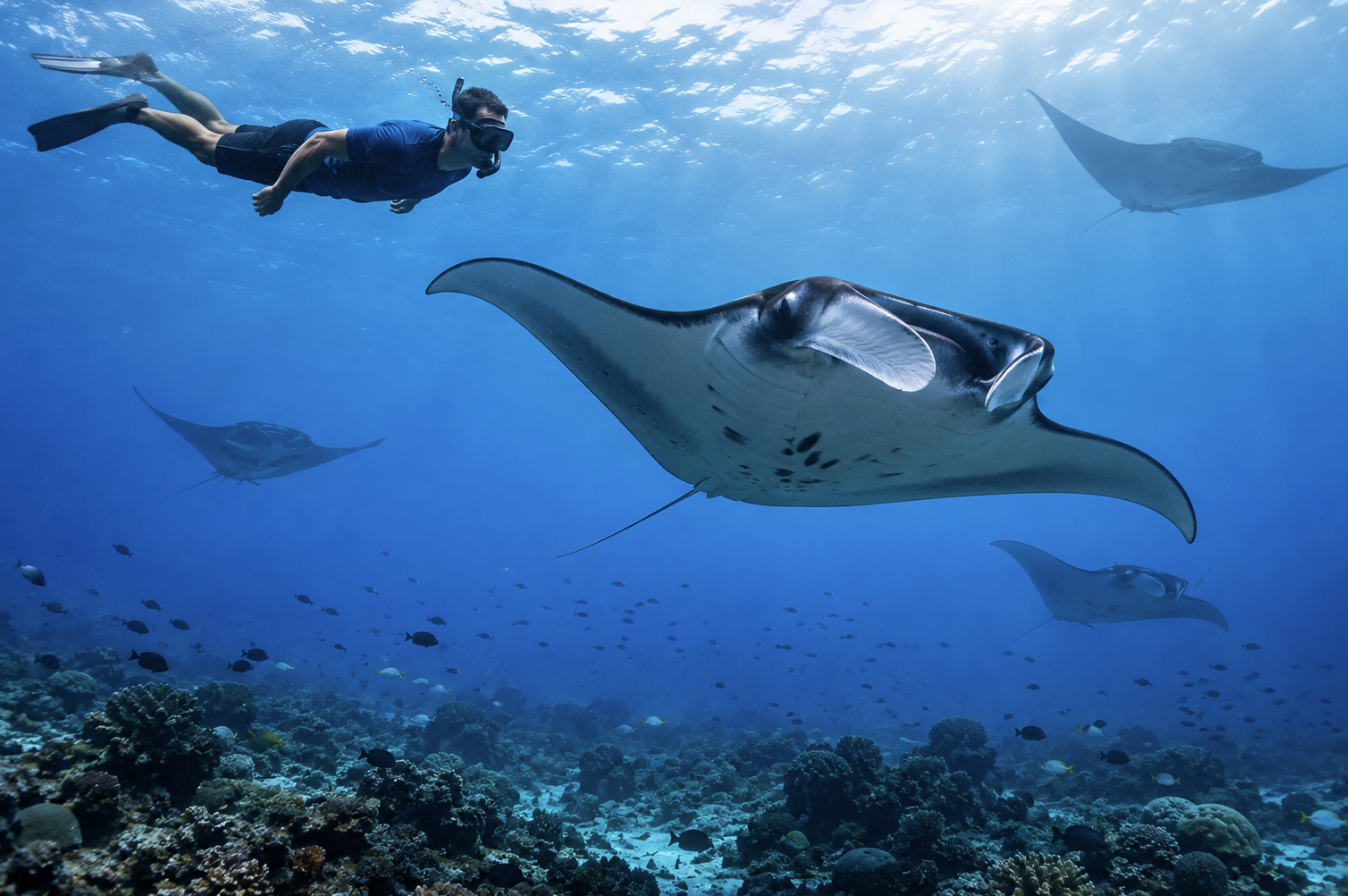
In an increasingly interconnected world, travel has become more than just a leisure activity – it is a powerful educational tool. For college learners in the United States, stepping beyond familiar surroundings offers opportunities to gain real-world knowledge, develop essential life skills, and build a broader perspective on global issues. Whether it’s a short trip across state lines or an international adventure, travel can significantly enhance how you learn and understand the world.
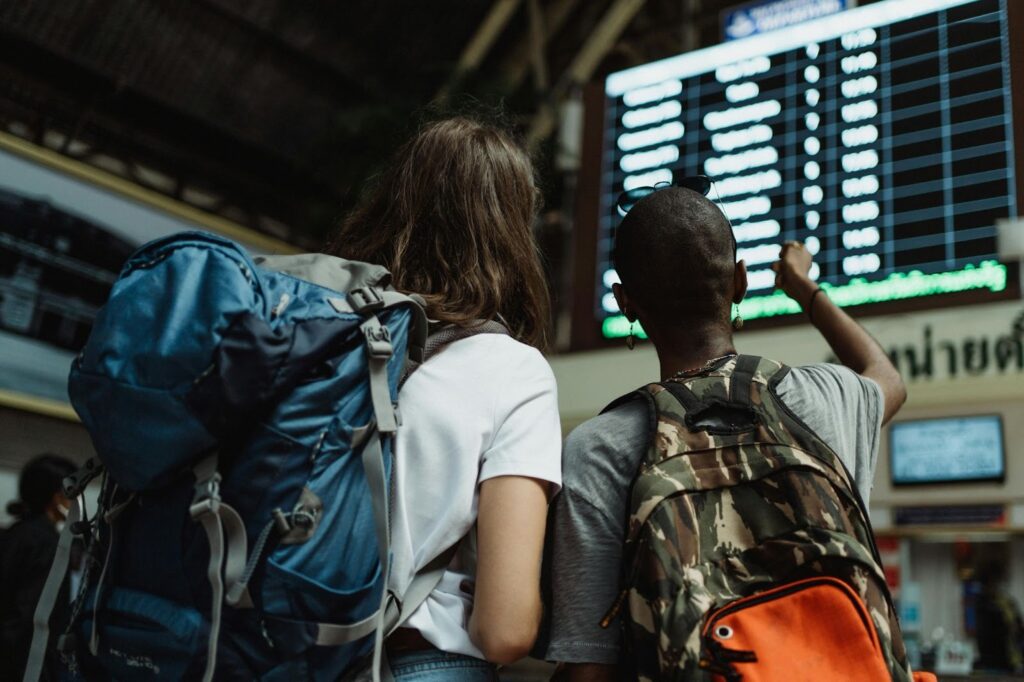
Traditional education provides a strong foundation, but it often relies on theory and structured environments. Travel, on the other hand, introduces experiential learning – an approach where knowledge is gained through direct experience. Visiting historical landmarks, exploring cultural institutions, or engaging with local communities allows you to see concepts come to life.
For example, reading about world history in a textbook is informative, but walking through ancient ruins or museums creates a deeper emotional and intellectual connection. This type of learning is often more memorable because it engages multiple senses and encourages active participation rather than passive absorption.
Travel naturally strengthens your ability to think critically and solve problems in real time. When navigating unfamiliar environments, managing tight schedules, or adapting to cultural differences, you learn how to balance multiple responsibilities at once. This ability to combine planning, decision-making, and quick adjustments is especially valuable for academic success. While on the road, many learners discover how to organize their time efficiently – handling coursework alongside travel experiences, which mirrors real-world multitasking demands. In more challenging moments, when meeting deadlines during a busy itinerary, some may turn to a research paper writing service for support. When choosing this kind of help, it’s important to rely on platforms that employ qualified academic specialists who can assist with structuring ideas, refining arguments, and maintaining academic standards. This doesn’t replace learning but rather supports it when time management becomes difficult.
One of the most valuable outcomes of travel is increased cultural awareness. Encountering different traditions, languages, and lifestyles helps you understand that there is no single “right” way to live. This exposure fosters empathy and reduces cultural bias, which is essential in today’s diverse and globalized society.
When you interact with people from different backgrounds, you begin to appreciate their perspectives and challenges. This not only enhances your interpersonal skills but also prepares you for working in multicultural environments – something that is increasingly common in many career fields in the U.S.
Effective communication is a crucial skill in both academic and professional settings. Travel provides numerous opportunities to practice and refine this ability. Whether you’re asking for directions, ordering food, or engaging in conversations with locals, you learn how to express yourself clearly and confidently.
In situations where language barriers exist, you also develop non-verbal communication skills such as reading body language and using gestures effectively. These experiences can make you a more adaptable communicator, which is particularly valuable in diverse workplaces.
Travel helps you see the world from a broader viewpoint. It allows you to compare different political systems, economic conditions, and social norms. This expanded perspective is especially useful for understanding global issues such as climate change, inequality, and international relations.
For learners in the U.S., this global awareness can enrich academic studies in fields like political science, economics, and environmental studies. It also encourages more informed discussions and a deeper understanding of how local actions can have global consequences.
Leaving familiar surroundings can be intimidating, but it is also an opportunity for personal growth. Travel challenges you to step outside your comfort zone and face new situations independently.
As you successfully navigate unfamiliar environments, your confidence grows. You become more self-reliant and resilient, qualities that are essential for success in both academic and professional life. This personal development often leads to a stronger sense of identity and a clearer understanding of your goals and values.
Travel experiences can enhance your resume and make you stand out in competitive job markets. Employers often value candidates who demonstrate adaptability, cultural awareness, and initiative – all of which are developed through travel.
Additionally, study abroad programs, internships, and volunteer opportunities allow you to combine travel with academic or professional development. These experiences can provide practical knowledge and networking opportunities that are difficult to achieve in a traditional classroom setting.
Travel fosters curiosity and a desire to learn more about the world. Each destination presents new questions and discoveries, inspiring you to continue exploring even after returning home.
This mindset of lifelong learning is crucial for staying relevant in a rapidly changing world. It encourages you to seek new knowledge, embrace different perspectives, and remain open to growth throughout your life.
When you connect academic concepts to real-world experiences, learning becomes more engaging and meaningful. Travel allows you to see the practical applications of what you study, making it easier to understand and retain information.
For instance, visiting a sustainable farm can deepen your understanding of environmental science, while exploring a financial hub can provide insights into economic systems. These connections make education more dynamic and relevant to real-life situations.
To maximize the educational benefits of travel, consider the following tips:
Travel is one of the most effective ways to learn and understand the world better. It complements traditional education by offering real-world experiences, fostering cultural awareness, and developing essential life skills. For college learners in the United States, incorporating travel into your educational journey can lead to deeper knowledge, personal growth, and enhanced career prospects.
By stepping beyond the classroom and exploring new environments, you gain insights that cannot be taught through textbooks alone. Travel not only broadens your horizons but also equips you with the tools needed to thrive in an increasingly global society.
Counter
101 Countries • 1432 Cities