

Have you ever wondered why boarding a plane feels more frightening than getting behind the wheel of a car? The simple answer is that people are generally more afraid of flying because air travel feels unfamiliar.
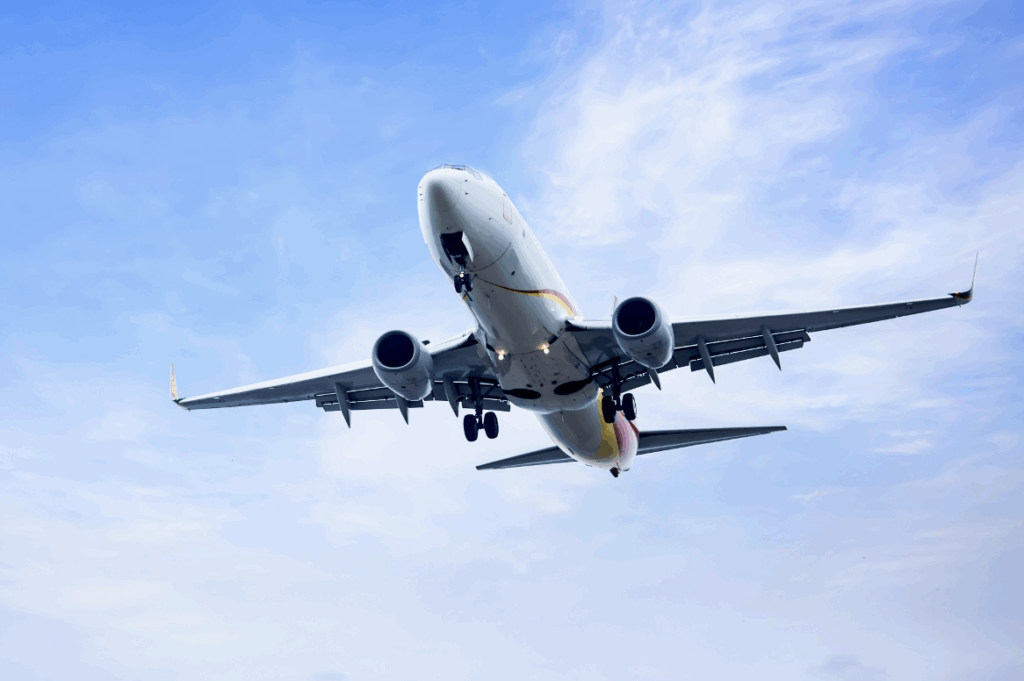
Even though statistics consistently show that flying is one of the safest ways to travel, it offers little personal control and receives far more media attention when accidents occur. This is why many people ask, “Is flying safer than driving?”, before booking a trip or preparing for a flight.
Our brains tend to judge risks based on emotion rather than facts. A plane crash is rare, but when one happens, it often dominates headlines for days or even weeks. Car accidents, on the other hand, occur every day and receive far less national coverage because they are so common.
As a result, people often overestimate the danger of flying while underestimating the risks associated with driving. This psychological bias plays a significant role in how we perceive transportation safety.
When driving, most people feel they are in control of the vehicle. They decide when to brake, change lanes, or adjust their speed. Even though driving requires constant attention and carries significant risks, having control creates a sense of comfort.
Flying is the opposite experience. Passengers place their trust entirely in the flight crew, air traffic controllers, and the aircraft itself. The inability to influence what happens during the flight can make even routine turbulence feel alarming.
Many people drive almost every day but fly only occasionally. Because air travel is less familiar, normal sounds, turbulence, or flight procedures may seem unusual or even dangerous to inexperienced travelers.
In reality, commercial aviation operates under strict safety regulations. Pilots undergo extensive training, aircraft receive regular maintenance, and airlines must comply with rigorous federal safety standards before passengers ever board a flight.
The way accidents are reported has a powerful effect on public perception. A single aviation accident can become international news, with extensive coverage, expert analysis, and repeated video footage. Meanwhile, thousands of highway crashes occur every year without receiving widespread attention.
This imbalance creates the impression that flying is more dangerous, even when the overall data tells a different story.
Transportation safety is supported by strong legal and regulatory frameworks. For example, 49 U.S.C. § 44701 authorizes the Federal Aviation Administration (FAA) to establish minimum standards for aviation safety, including aircraft operation, maintenance, and pilot certification. These regulations help make commercial aviation one of the safest forms of transportation.
Likewise, roadway safety is reinforced through state traffic laws and federal regulations. Under 23 U.S.C. § 402, federal highway safety programs provide funding to improve traffic enforcement, roadway design, and driver safety initiatives aimed at reducing motor vehicle crashes.
These legal standards demonstrate that both aviation and highway travel are carefully regulated, although the risks associated with each remain different.
While no form of transportation is entirely risk-free, aviation safety has improved dramatically over the decades. Commercial airlines rely on multiple layers of safety checks, redundant systems, experienced crews, and continuous oversight.
Driving, however, depends heavily on individual behavior. Speeding, distracted driving, impaired driving, and poor weather conditions contribute to millions of crashes each year. Because people become comfortable with everyday driving, they often overlook these common hazards.
Fear of flying is understandable because it stems from psychology, unfamiliarity, and a perceived lack of control rather than actual safety data. Although every traveler has different comfort levels, understanding how aviation safety works and recognizing the cognitive biases behind travel fears can help put the risks into perspective. Making informed decisions based on facts instead of fear is the best way to approach any form of travel.
Counter
101 Countries • 1432 Cities
