
There’s a particular rhythm to a good group ride. The staggered formation, the hand signals passed back down the line, the easy sense that everyone’s watching everyone else’s back. Then a car drifts across a lane without looking, and in a few chaotic seconds that smooth formation becomes a scatter of bikes, riders, and skid marks, with nobody quite sure who hit whom or in what order.
When the dust settles, you’ve got one careless driver, several injured riders, and a lot of conflicting memories, which is a very different situation from a simple one-car, one-bike crash. For riders in Las Vegas, a group-ride collision can turn an injury claim surprisingly tangled. Here’s why more vehicles mean more complications, and what that means for getting compensated.
A standard crash claim is relatively contained: one injured person, one at-fault driver, one insurance conversation. Add a group of riders and a car into the mix, and suddenly there are multiple victims, multiple vehicles, and multiple accounts of the same few seconds, each of which the insurers will scrutinize.
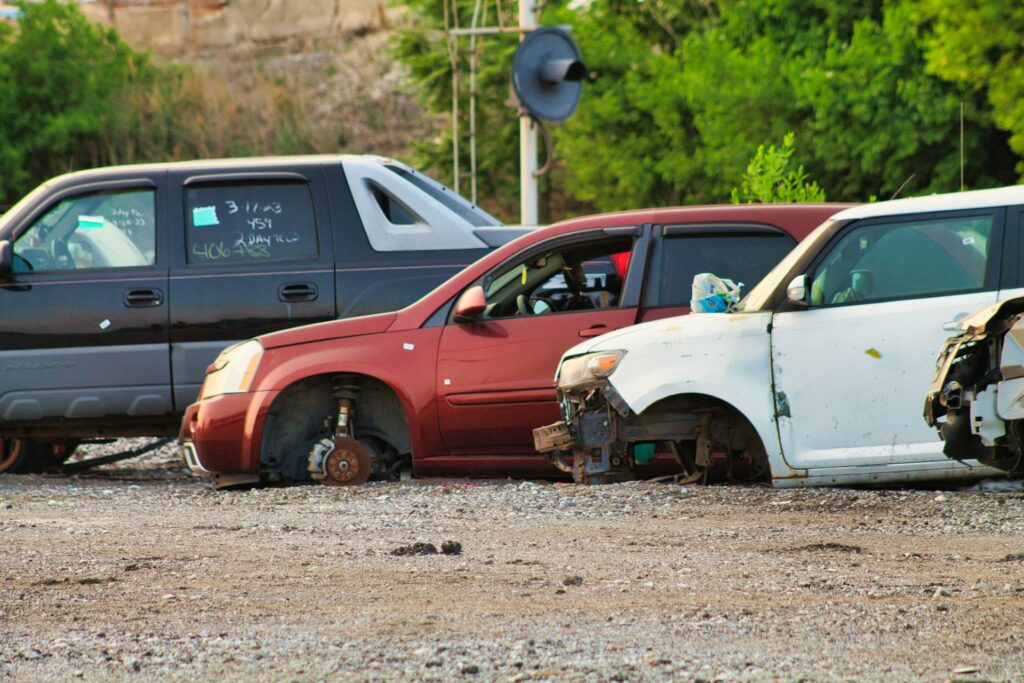
The stakes are also simply higher on two wheels. The National Highway Traffic Safety Administration reports that, per mile traveled, motorcyclists are almost 27 times more likely than passenger car occupants to die in a crash. That vulnerability means group-ride injuries tend to be serious, which raises the stakes on getting the claim right the first time.
The trouble with multiple vehicles is that each new party adds another layer the claim has to account for. A one-on-one crash is a straight line; a group crash is a web, and the knots tend to show up in predictable places:
● More than one driver or rider may share part of the blame
● Several injured riders may be competing for the same at-fault driver’s coverage
● Witnesses often give conflicting accounts of who moved where, and when
● One rider’s evasive move may have caused a second rider to go down
● A single insurance policy may not be enough to cover everyone’s injuries
Any one of these can slow a claim down; several at once can stall it completely. Untangling them takes a clear reconstruction of what actually happened, which is rarely as obvious as it feels to the people who lived through it.
With several vehicles involved, the question stops being simply ‘who was careless’ and becomes ‘how is the fault divided?’ Nevada uses a comparative negligence approach, so each party can be assigned a percentage of blame, and those percentages directly affect what each injured rider can recover.
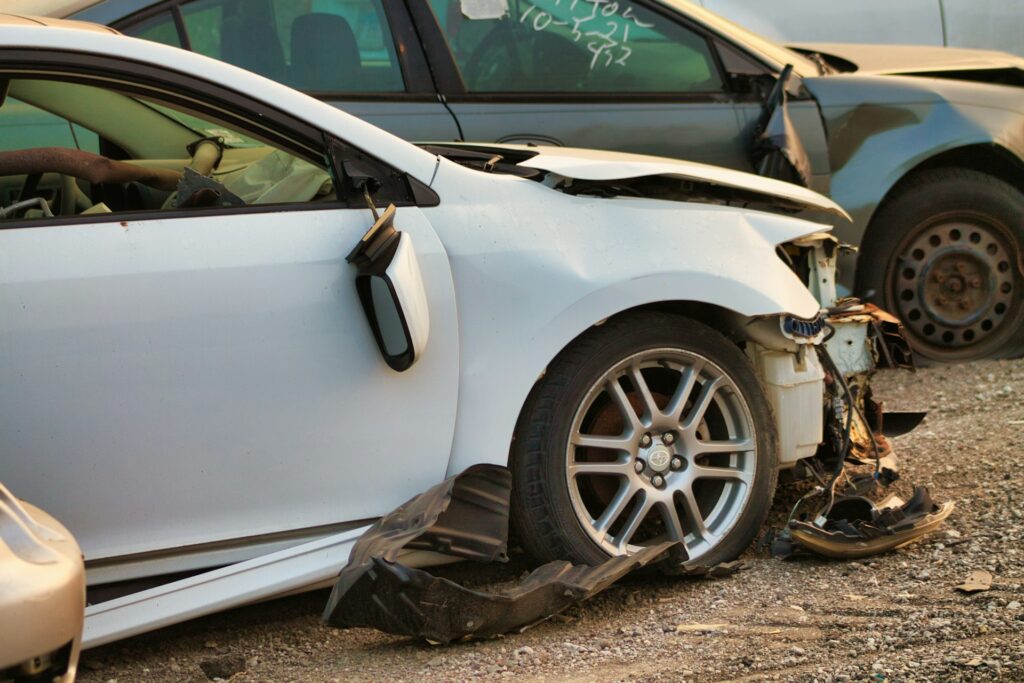
That’s exactly the kind of knot where a motorcycle accident lawyer in Las Vegas earns their keep, because assigning fault fairly across multiple parties takes investigation, not guesswork. Cogburn Davidson can reconstruct the sequence from police reports, witness statements, and physical evidence, building the case for what truly happened so you aren’t handed a share of blame that belongs to someone else and quietly shortchanged on your recovery.
Here’s a problem unique to multi-victim crashes: the at-fault driver only carries so much coverage, and when several riders are hurt, that single policy may have to be split among all of them. A policy that would comfortably cover one injured person can fall far short when it’s divided four or five ways.
This is where details like underinsured motorist coverage, each rider’s own policy, and the order in which claims are filed start to matter enormously. Sorting out which coverage applies, and in what order, is often the difference between a fair recovery and pennies on the dollar for serious injuries.
In the moment, a few habits protect everyone. If you’re able, document the scene thoroughly with photos, gather contact details for every rider and witness, and avoid admitting fault or speculating about the sequence, since early guesses have a way of being used against you later.
Just as important, get medical attention even if you feel okay, because adrenaline masks injuries and a gap in treatment gives insurers an excuse to doubt you. Keeping your own record of events while they’re fresh gives whoever handles your claim the raw material to piece the truth back together.
A group ride is one of the best parts of motorcycling, but when a car turns it into a multi-vehicle crash, the injury claim gets complicated fast, with shared fault, competing victims, and insurance that doesn’t stretch far enough. None of that is something to untangle alone while you’re trying to heal.
If you’ve been hurt in a crash like this, the smartest move is an early, honest assessment of who was at fault and which coverage applies. Getting the sequence and the numbers right from the start is what keeps a tangled claim from quietly costing you what you’re owed.
Counter
101 Countries • 1432 Cities