
Austria’s best-known destinations have earned their popularity. Vienna’s grand architecture, Salzburg’s musical heritage and the dramatic peaks surrounding Innsbruck attract visitors from around the world. Yet some of the country’s most rewarding experiences lie beyond these familiar stops, in quiet valleys, forested highlands, lakeside villages and small towns where everyday Austrian life continues at a gentler pace. Travelling beyond the main tourist circuit reveals a more varied side of the country. There are vineyards stretching across rolling hills, mountain villages with traditional wooden farmhouses, clear lakes tucked between wooded slopes and historic towns that rarely feature on hurried European itineraries. These places are particularly appealing to travellers who enjoy scenic drives, walking trails, regional food and the freedom to explore without following the crowds.
One of the easiest ways to discover Austria’s quieter regions is to use its extensive railway network as the backbone of a flexible itinerary. The Railjet train in Austria connects major cities and regional centres, making it possible to combine urban stops with excursions into the countryside. From larger stations, regional services and buses can take visitors closer to smaller villages, lakes and hiking areas. In northern Lower Austria, close to the Czech border, Waldviertel has a landscape quite different from the dramatic Alpine scenery usually associated with the country. Rolling hills, dense forests, granite formations and small ponds create a peaceful setting for walking, cycling and exploring rural villages. The region is known for its distinctive rock formations, some of which have been shaped by erosion over thousands of years.
Bregenzerwald: Alpine Villages With Architectural Character
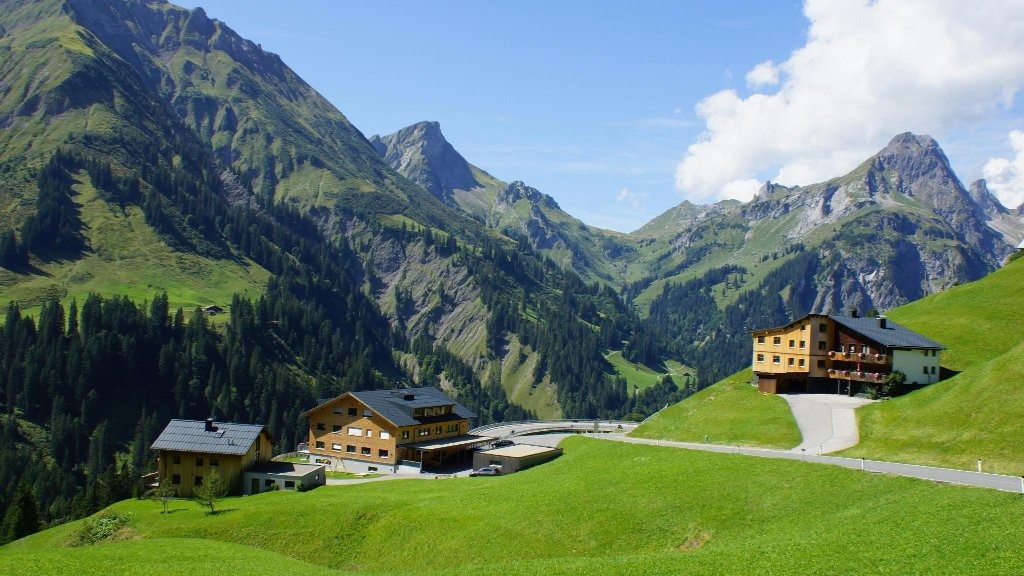
In Vorarlberg, Bregenzerwald combines traditional Alpine life with a surprisingly contemporary design culture. Its villages are surrounded by green pastures and mountain slopes, yet the region is equally interesting for its architecture, woodworking traditions and local craftsmanship. Hittisau, Schwarzenberg and Bezau make excellent starting points for exploring the area. Schwarzenberg is especially attractive, with traditional wooden houses, a historic village centre and a long association with music and the arts. Hittisau is home to the Women’s Museum, which focuses on women’s lives, history and cultural contributions. Throughout the region, modern timber buildings sit alongside traditional farmhouses, demonstrating how local architectural traditions continue to evolve. The OBB trains in Austria are particularly useful for travellers who want to avoid hiring a car for every stage of the journey. However, rural connections can be less frequent than intercity services, so checking timetables and planning the final part of each journey is important. Some mountain villages and remote nature areas are easier to reach with a local bus, taxi or organised excursion.
Mühlviertel: Granite Hills and Traditional Inns
North of the Danube, Upper Austria’s Mühlviertel region is a lovely alternative to the country’s busier Alpine destinations. Its landscape is defined by gentle granite hills, forests, farmland and small villages, with winding country roads connecting traditional inns and independent breweries. The atmosphere is distinctly rural, making it a good choice for travellers who prefer quiet walks and leisurely lunches to packed sightseeing schedules. The town of Freistadt is worth exploring for its medieval centre, historic town gates and well-preserved fortifications. Its narrow streets lead towards a handsome main square, where colourful façades and traditional cafés provide a pleasant place to pause. The surrounding countryside is ideal for cycling, with routes passing through fields, wooded areas and small settlements. Beer enthusiasts will find plenty to enjoy here. Mühlviertel has a long brewing tradition, supported by local water sources and regional barley and hops. Small breweries and traditional restaurants provide an opportunity to sample local varieties alongside hearty Austrian cooking.
Gesäuse National Park: Austria’s Wild Side
Styria’s Gesäuse National Park is one of Austria’s most striking natural areas, yet it receives considerably less international attention than the country’s famous mountain resorts. The River Enns cuts through steep limestone peaks, creating a dramatic landscape of rocky cliffs, dense forests and fast-flowing water. For walkers, photographers and outdoor enthusiasts, it offers a rewarding combination of challenging mountain scenery and accessible riverside routes. The national park is particularly attractive during the warmer months, when hiking trails lead through alpine meadows and towards panoramic viewpoints. Some routes are demanding and require proper mountain experience, but there are also gentler walks along the river and through forested areas. The contrast between the turquoise water and pale limestone cliffs makes even a short excursion memorable.
South Styria offers a completely different picture of Austria. Instead of towering peaks, the landscape is shaped by rolling vineyards, orchards, wooded slopes and small wine villages. Close to the Slovenian border, this region has a relaxed atmosphere that makes it particularly appealing for a long weekend or a leisurely road trip. The South Styrian Wine Road is the obvious starting point. It winds through vineyards and past traditional wine taverns, known locally as Buschenschanken, where visitors can sample regional wines alongside cold platters of cured meats, cheeses and freshly baked bread. Sauvignon Blanc is particularly associated with the area, although local producers make several other interesting varieties.
The Salzkammergut is famous for Hallstatt, but visitors who venture beyond its best-known village will find equally appealing lakeside settings with fewer crowds. Traunsee, surrounded by steep mountains and traditional settlements, is an excellent alternative. The town of Gmunden sits at the northern end of the lake and combines historic architecture with a pleasant waterfront atmosphere. One of the area’s most recognisable landmarks is Schloss Ort, a castle set on a small island connected to the shore by a wooden bridge. The setting is particularly attractive for photographs, while boat trips offer a different perspective on the surrounding mountains and villages.
A Different Perspective on Austria
Austria’s most memorable experiences are not always found in its most famous destinations. The granite landscapes of Waldviertel, the timber villages of Bregenzerwald, the rugged peaks of Gesäuse and the vineyards of South Styria reveal a country with far more variety than its classic Alpine image suggests. Even the quieter corners of the Salzkammergut and the Danube Valley offer plenty of reasons to extend a stay. For travellers who enjoy discovering places at their own pace, these regions provide a welcome alternative to crowded sightseeing routes. Choose a few areas rather than attempting to cover the entire country, spend time in local inns and allow the landscape to set the rhythm of the trip.
Counter
101 Countries • 1432 Cities