
Portugal has no shortage of famous attractions, from Lisbon’s historic neighbourhoods to Porto’s riverside streets and the Algarve’s golden beaches. Yet some of the country’s most memorable experiences lie well beyond these familiar destinations. Small medieval villages, quiet river valleys, traditional fishing communities and mountain landscapes reveal a different side of Portugal, where daily life moves at a gentler pace.
Exploring these places takes a little more planning, particularly if you want to avoid the busiest tourist routes. Some are easy to reach by train, while others are best visited with a hire car. The reward is a chance to discover places where local traditions remain part of everyday life and where an afternoon can be spent wandering cobbled streets rather than joining another sightseeing queue.
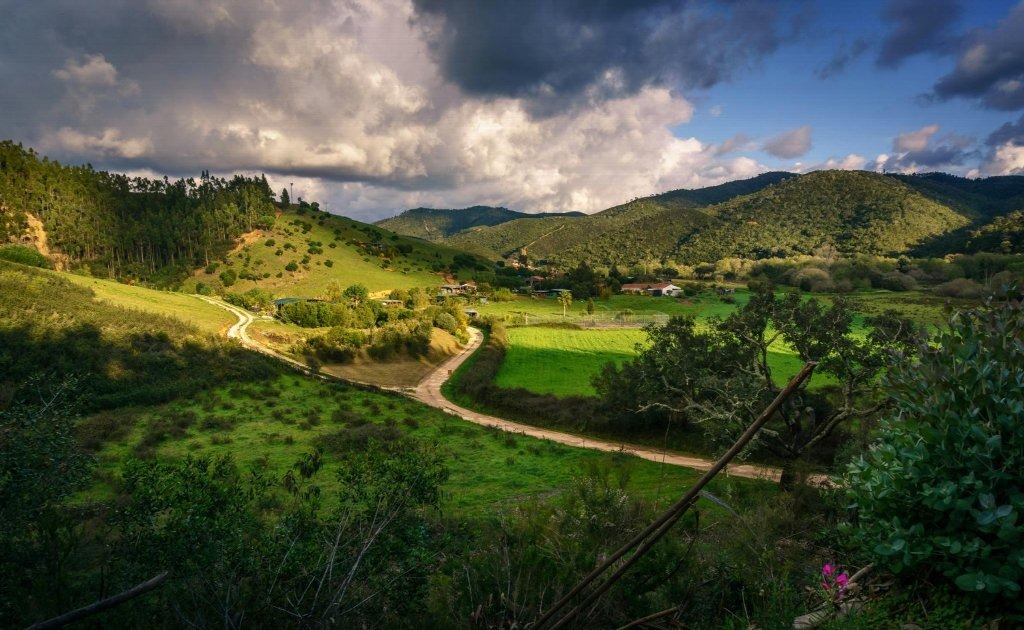
The Alentejo is often reduced to images of cork oak trees, vineyards and endless golden fields, but its historic towns deserve just as much attention as its countryside. Évora attracts visitors for its Roman temple and remarkable old centre, yet smaller settlements such as Monsaraz and Mértola offer a more peaceful introduction to the region. Getting around the interior requires more preparation than travelling between Portugal’s major cities. The Alfa Pendular train in Portugal connects important urban centres, including Lisbon and Faro, but it will not take you directly to remote villages such as Monsaraz or Marvão. Consider combining rail travel with a rental car for a few days, particularly if you want to explore several rural destinations without relying on infrequent buses.
The Algarve is famous for its beaches, but the western coastline has a more rugged personality than the busy resort towns around Albufeira and Vilamoura. The Costa Vicentina, stretching along the southwestern edge of Portugal, is known for dramatic cliffs, open beaches and small communities where fishing and surfing remain important parts of local life. Travellers heading back towards the capital can plan the Lagos to Lisbon train journey as part of a wider coastal itinerary. Lagos is a convenient base for exploring the western Algarve before returning north, although some of the quieter Costa Vicentina villages require additional bus connections or a car. Check timetables carefully rather than assuming that every coastal stop has a direct railway service.
In central Portugal, Monsanto is one of the country’s most unusual villages. Granite boulders dominate the landscape, and generations of residents have built houses between, beneath and sometimes directly into these enormous rocks. The result is a settlement that appears to grow naturally from the hillside.
Walking through Monsanto means following steep cobbled lanes past stone houses, small chapels and traditional doorways. At the top, the remains of a medieval castle offer wide views across the surrounding countryside towards the Spanish border. The climb is worth the effort, particularly in the late afternoon when the granite takes on a warm golden colour. Monsanto is not a large place, but staying overnight makes a difference.
Marvão, A Castle Above the Alentejo Plains
High in the Serra de São Mamede, close to the Spanish border, Marvão occupies a spectacular position on a rocky ridge. Its whitewashed houses sit within medieval walls, while the castle overlooks an immense landscape of rolling hills, forests and distant plains. The village is small enough to explore on foot, although its steep streets and uneven paving call for comfortable shoes. Inside the castle, visitors can walk along sections of the defensive walls and admire the surrounding scenery. On clear days, the views extend far into Spain, making it easy to understand the strategic importance of this border settlement.
Hidden in the Serra do Açor mountains, Piódão looks almost unreal when viewed from the surrounding hills. Its dark schist houses climb steep slopes in tightly packed rows, with slate roofs and blue-painted doors creating a distinctive appearance. Unlike Portugal’s whitewashed southern villages, this settlement blends into the rocky landscape around it. The narrow streets are steep and sometimes challenging, but exploring them is part of the experience. Look out for the small parish church, local craft shops and traditional houses built from the same stone as the mountains. The surrounding area has walking routes through forests and valleys, making Piódão a good destination for travellers who enjoy combining village visits with outdoor activities.
Northern Portugal has plenty to offer beyond Porto and the Douro Valley. Arouca is an excellent destination for nature lovers, particularly those interested in dramatic landscapes and outdoor activities. The area is part of the Arouca Geopark, known for its geological formations, river scenery and walking routes. The Paiva Walkways follow the river through a rugged landscape of wooded slopes, rapids and rocky banks. The route includes long staircases and exposed sections, so comfortable footwear and a reasonable level of fitness are important. Nearby, the 516 Arouca suspension bridge offers an exhilarating crossing high above the Paiva Gorge. Access to these attractions can require advance reservations, so check the arrangements before travelling.
For a different Algarve experience, head east to Olhão. This working fishing town has a distinctive atmosphere, with whitewashed buildings, flat-roofed houses and a waterfront dominated by its impressive market buildings. Unlike some of the region’s heavily developed resorts, Olhão retains a strong connection to the fishing industry. Visit the municipal markets in the morning, when the seafood stalls are at their busiest, then explore the old fishermen’s quarter and its narrow streets. The town is also a convenient starting point for boat trips into the Ria Formosa Natural Park. Ferries connect Olhão with barrier islands such as Armona and Culatra, where sandy beaches and small communities provide a welcome change from busy resort centres.
The most rewarding journeys through Portugal often lead away from its famous landmarks. Monsanto’s unusual stone houses, Marvão’s hilltop setting, the Alentejo’s quiet villages, the Costa Vicentina’s wild beaches and the mountain scenery around Arouca all reveal a country with remarkable variety. You do not need to abandon Lisbon, Porto or the Algarve to find these places. Simply add a few less familiar stops to your itinerary, allow more time for exploring and be prepared to take the occasional detour. Portugal’s quieter corners often leave the strongest memories precisely because they give you room to experience the country at your own pace.
Counter
101 Countries • 1432 Cities